THE ADVENTURE COLLECTIVE® · Independent discovery and booking for outdoor travel

Spend a private afternoon in Kruger National Park with a professional guide—five hours of targeted wildlife viewing on gravel tracks during the park’s most active hours. Expect close encounters with elephants, antelope, and rich birdlife, guided stops, and sunset that sharpens the landscape.
Spend a private afternoon in Kruger National Park with a professional guide—five hours of targeted wildlife viewing on gravel tracks during the park’s most active hours. Expect close encounters with elephants, antelope, and rich birdlife, guided stops, and sunset that sharpens the landscape.
Late afternoon light slides across open savanna as the guide eases the vehicle onto a gravel track—dust hangs in the air like a promise. Within minutes acacia silhouettes frame a lone elephant browsing, and distant antelope lift their heads. This private afternoon drive in Kruger National Park brings you directly into that slow-motion theater: guided viewing from a sheltered vehicle during the park’s most active hours.
Verified experiences and guided adventures in the surrounding area.
Operated by Discover Tours & Safaris · Hazyview, Mpumalanga
Late afternoon light slides across open savanna as the guide eases the vehicle onto a gravel track—dust hangs in the air like a promise. Within minutes acacia silhouettes frame a lone elephant browsing, and distant antelope lift their heads. This private afternoon drive in Kruger National Park brings you directly into that slow-motion theater: guided viewing from a sheltered vehicle during the park’s most active hours.
Kruger’s landscape is geologically old, a mix of granite plutons and sedimentary lowveld that creates bushveld plains, riverine corridors, and koppies (rocky hillocks) where leopard and klipspringer find refuge. The park’s modern conservation history began in the early 20th century; today it protects one of Africa’s most diverse assemblages of mammals and birds.
Culture around the park is shaped by nearby Mpumalanga communities—trackside villages and towns like Hazyview serve as access points and offer crafts and local guides who bring human stories to the safari narrative.
Practically, expect a 5‑hour outing in a private 4x4 with an experienced ranger: 30–60 km of gravel or dirt roads, minimal elevation change, and multiple comfort stops. Wear neutral clothing, bring binoculars and a camera with a mid-telephoto lens, and plan for shifting temperatures as sunset cools the air. Guides handle navigation and wildlife etiquette—stay seated, avoid sudden moves, and let them position the vehicle for safe viewing.
This drive balances patience and high reward: animals follow water and light, and the afternoon window often yields big-cat activity plus excellent birding. For first-time visitors it’s an efficient, low-effort way to encounter Kruger’s signature wildlife while leaning on local expertise.
easy.
5 hours.
Suitable for most people with basic mobility; requires getting in/out of a safari vehicle
Sightings depend on season and chance, but guides target areas with recent activity; expect common species like impala, warthog, elephant and a good chance at large mammals and varied birdlife.
Children under 4 are typically not permitted; older children are allowed but must follow safety rules—check operator age policies when booking.
Yes—visitors should carry a valid passport on the day, as identity checks are standard for park entry.
Yes—the private drive includes regular comfort stops at designated facilities or cleared spots; guides plan stops with privacy and safety in mind.
Kruger was established in the early 20th century, evolving from hunting grounds to one of Africa’s first large-scale national parks focused on biodiversity protection.
The park operates anti-poaching units and community conservation programs; visitors are encouraged to minimize noise and waste to reduce disturbance to wildlife.
Discover Tours & Safaris operates guided outdoor trips and adventures with an emphasis on safety, stewardship, and memorable experiences.
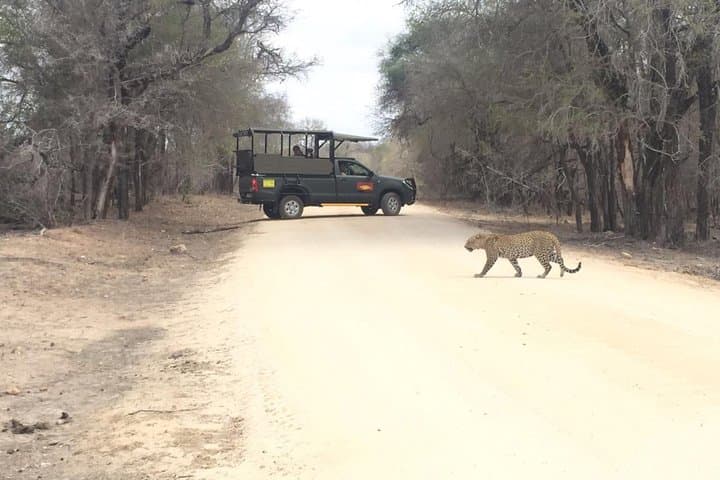
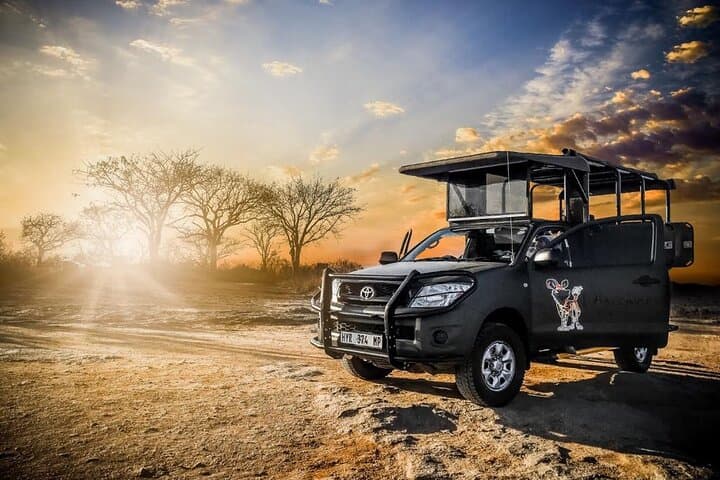
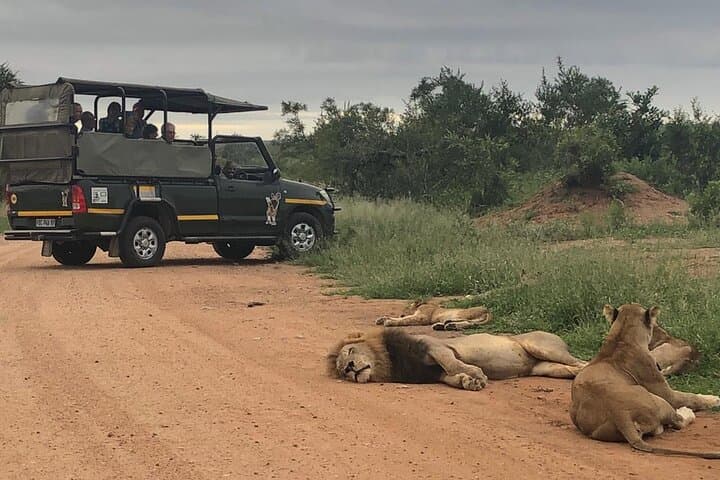
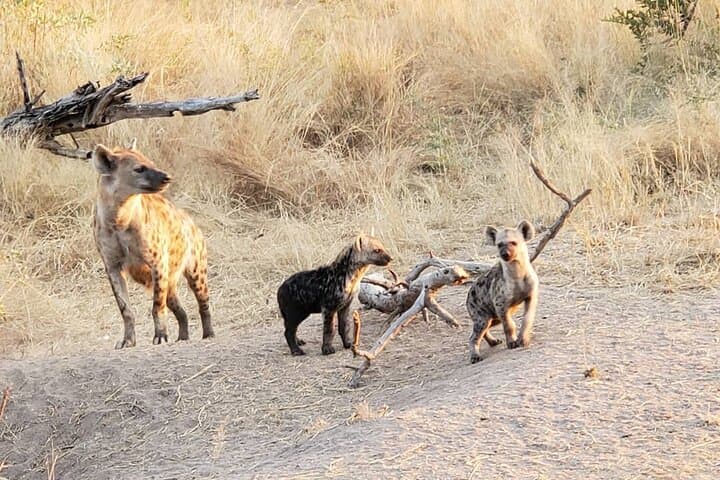
Late afternoon light slides across open savanna as the guide eases the vehicle onto a gravel track—dust hangs in the air like a promise. Within minutes acacia silhouettes frame a lone elephant browsing, and distant antelope lift their heads. This private afternoon drive in Kruger National Park brings you directly into that slow-motion theater: guided viewing from a sheltered vehicle during the park’s most active hours.
Late afternoon light slides across open savanna as the guide eases the vehicle onto a gravel track—dust hangs in the air like a promise. Within minutes acacia silhouettes frame a lone elephant browsing, and distant antelope lift their heads. This private afternoon drive in Kruger National Park brings you directly into that slow-motion theater: guided viewing from a sheltered vehicle during the park’s most active hours.
Kruger’s landscape is geologically old, a mix of granite plutons and sedimentary lowveld that creates bushveld plains, riverine corridors, and koppies (rocky hillocks) where leopard and klipspringer find refuge. The park’s modern conservation history began in the early 20th century; today it protects one of Africa’s most diverse assemblages of mammals and birds.
Culture around the park is shaped by nearby Mpumalanga communities—trackside villages and towns like Hazyview serve as access points and offer crafts and local guides who bring human stories to the safari narrative.
Practically, expect a 5‑hour outing in a private 4x4 with an experienced ranger: 30–60 km of gravel or dirt roads, minimal elevation change, and multiple comfort stops. Wear neutral clothing, bring binoculars and a camera with a mid-telephoto lens, and plan for shifting temperatures as sunset cools the air. Guides handle navigation and wildlife etiquette—stay seated, avoid sudden moves, and let them position the vehicle for safe viewing.
This drive balances patience and high reward: animals follow water and light, and the afternoon window often yields big-cat activity plus excellent birding. For first-time visitors it’s an efficient, low-effort way to encounter Kruger’s signature wildlife while leaning on local expertise.