THE ADVENTURE COLLECTIVE® · Independent discovery and booking for outdoor travel

Take an open-vehicle sunset drive into Kruger National Park to hunt for the Big Five as day transitions to night. This guided five-hour safari pairs experienced field knowledge with prime evening hours for wildlife activity.
Take an open-vehicle sunset drive into Kruger National Park to hunt for the Big Five as day transitions to night. This guided five-hour safari pairs experienced field knowledge with prime evening hours for wildlife activity.
The dusty track hums under the open safari vehicle as the sun tips toward the horizon and the Kruger veld begins to change color. Shadows lengthen over termite mounds, and a hush settles that feels like the park taking a breath. Guides scan the grasslines with quiet urgency; horns and plumage signal where life is stirring.
Verified experiences and guided adventures in the surrounding area.
Operated by Eye Travel Africa · Hazyview, Mpumalanga
The dusty track hums under the open safari vehicle as the sun tips toward the horizon and the Kruger veld begins to change color. Shadows lengthen over termite mounds, and a hush settles that feels like the park taking a breath. Guides scan the grasslines with quiet urgency; horns and plumage signal where life is stirring.
Kruger National Park, established in 1898, is one of Africa’s oldest and largest reserves—its geology a slow quilt of granite outcrops and floodplains that channel wildlife across seasons. Local Tsonga and Shangaan communities have long histories tied to these plains, and modern conservation balances tourism with anti-poaching efforts.
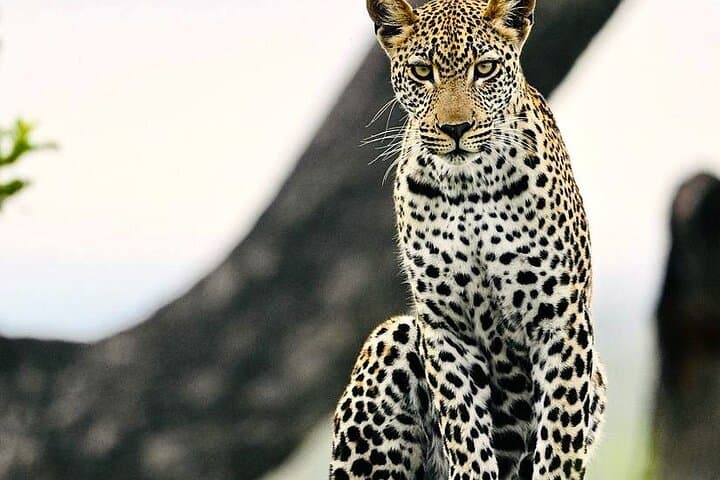
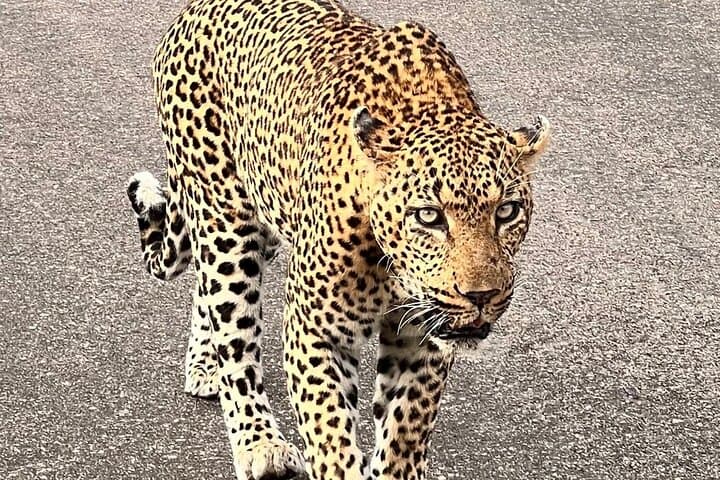
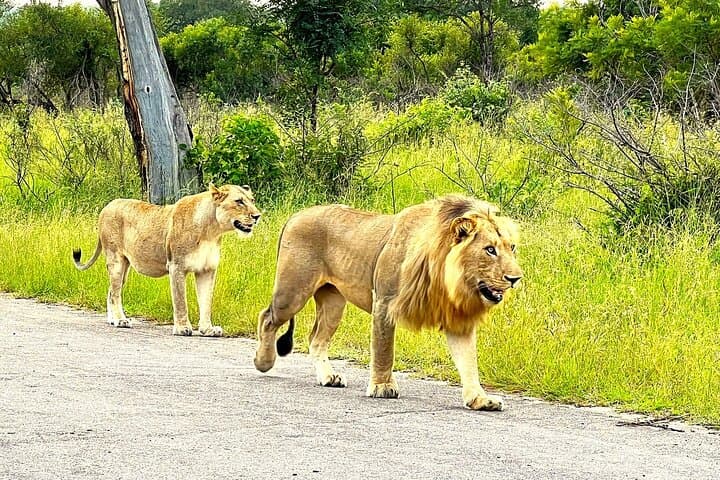
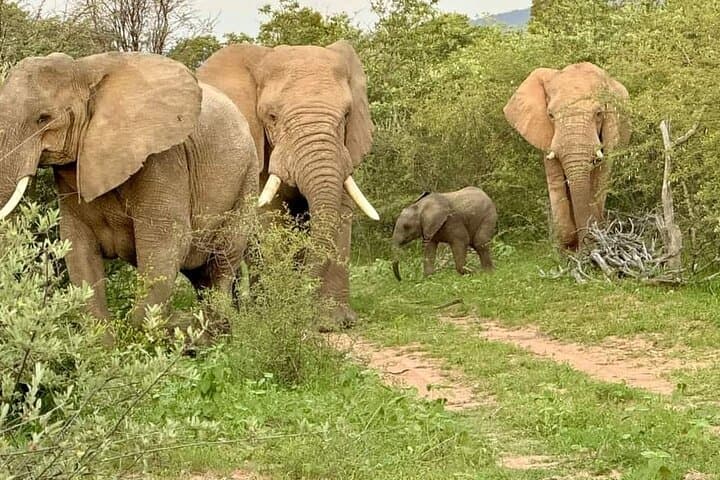
On a sunset drive you’ll sit in an open safari vehicle with a ranger who reads tracks and behavior; the timing raises your chance to see the Big Five—lion, leopard, elephant, buffalo and rhino—and nocturnal species beginning their shift. Rivers dare the dry season to cross them; mopane and acacia trees provide stage and shelter. Photography benefits from golden light, but respectful distance and the guide’s judgment keep animals and people safe.
Practical notes: the trip runs about five hours and includes park entrance fees, bottled water and private transport. Wear layers—evening temperatures drop—closed shoes, and bring a headlamp for the return. Expect uneven dirt roads; motion sickness meds can help.
This drive is ideal for travelers seeking concentrated wildlife viewing without overnight camping—arrive with patience, silence, and curiosity, and Kruger’s slow, deliberate rhythms will often reward you with unforgettable sightings.
easy.
Approx. 5 hours.
Suitable for most fitness levels; requires sitting for several hours and stepping into a raised vehicle.
The guided experience lasts approximately five hours, typically departing in the late afternoon and returning after dark.
Guides maximize chances for Big Five sightings, but wildlife is never guaranteed; sightings depend on season and animal movements.
The activity lists stroller and wheelchair accessibility; infants must sit on laps—confirm pickup and vehicle setup when booking.
The tour typically includes private transport, park entrance fees, bottled water, and a registered guide; check your confirmation for specifics.
Kruger was created in the late 19th century to protect wildlife and has been central to South Africa’s conservation history and anti-poaching development.
Tour operators contribute to park fees and support ranger-led anti-poaching efforts; practice low-impact viewing and avoid single-use plastics when possible.
Eye Travel Africa operates guided outdoor trips and adventures with an emphasis on safety, stewardship, and memorable experiences.
The dusty track hums under the open safari vehicle as the sun tips toward the horizon and the Kruger veld begins to change color. Shadows lengthen over termite mounds, and a hush settles that feels like the park taking a breath. Guides scan the grasslines with quiet urgency; horns and plumage signal where life is stirring.
The dusty track hums under the open safari vehicle as the sun tips toward the horizon and the Kruger veld begins to change color. Shadows lengthen over termite mounds, and a hush settles that feels like the park taking a breath. Guides scan the grasslines with quiet urgency; horns and plumage signal where life is stirring.
Kruger National Park, established in 1898, is one of Africa’s oldest and largest reserves—its geology a slow quilt of granite outcrops and floodplains that channel wildlife across seasons. Local Tsonga and Shangaan communities have long histories tied to these plains, and modern conservation balances tourism with anti-poaching efforts.
On a sunset drive you’ll sit in an open safari vehicle with a ranger who reads tracks and behavior; the timing raises your chance to see the Big Five—lion, leopard, elephant, buffalo and rhino—and nocturnal species beginning their shift. Rivers dare the dry season to cross them; mopane and acacia trees provide stage and shelter. Photography benefits from golden light, but respectful distance and the guide’s judgment keep animals and people safe.
Practical notes: the trip runs about five hours and includes park entrance fees, bottled water and private transport. Wear layers—evening temperatures drop—closed shoes, and bring a headlamp for the return. Expect uneven dirt roads; motion sickness meds can help.
This drive is ideal for travelers seeking concentrated wildlife viewing without overnight camping—arrive with patience, silence, and curiosity, and Kruger’s slow, deliberate rhythms will often reward you with unforgettable sightings.