THE ADVENTURE COLLECTIVE® · Independent discovery and booking for outdoor travel

Drive from Pretoria into the highlands and arrive at Kruger National Park via the Panoramic Route—home to Blyde River Canyon, the Three Rondavels and roadside cafes. This private transfer blends geology, quick wildlife viewing and seamless logistics for an easy, scenic passage to the bush.
Drive from Pretoria into the highlands and arrive at Kruger National Park via the Panoramic Route—home to Blyde River Canyon, the Three Rondavels and roadside cafes. This private transfer blends geology, quick wildlife viewing and seamless logistics for an easy, scenic passage to the bush.
The road peels away from Pretoria before dawn, headlights threading through veld and eucalyptus until the landscape opens into a series of high ridges and deep-cut valleys. By midmorning, the car crests a viewpoint and the Blyde River Canyon spills out below—sheer walls, a river daring you to come closer, and the Three Rondavels standing like natural monuments carved from ochre rock.
Verified experiences and guided adventures in the surrounding area.
Operated by HARMAM GLOBAL TRAVEL · Graskop, Mpumalanga
The road peels away from Pretoria before dawn, headlights threading through veld and eucalyptus until the landscape opens into a series of high ridges and deep-cut valleys. By midmorning, the car crests a viewpoint and the Blyde River Canyon spills out below—sheer walls, a river daring you to come closer, and the Three Rondavels standing like natural monuments carved from ochre rock.
This private transfer via the Panoramic Route stitches together some of Mpumalanga’s most dramatic geology and the living wild of Kruger National Park. The route follows a scar left by ancient rivers: sandstone and quartzite folded and washed over millions of years into cliffs, potholes, and narrow gorges. European settlers mapped the route in the 19th century, but the valley has been part of San, Swazi and Pedi landscapes for far longer—hills that supplied water, migration corridors and spiritual sites.
Along the way, culture reads in small details: roadside stalls selling freshly made vetkoek and biltong, the hum of township radio drifting across parking lots, and Graskop’s modest cafes where guides swap animal sightings. The Panoramic Route’s attractions—God’s Window, Bourke’s Luck Potholes, and the Three Rondavels—feel cinematic because the rocks themselves act. Wind pushes through the canyons, clouds stage quick, mobile shadows, and the Blyde River keeps time.
Practically, this is a vehicle-forward day: expect 4–7 hours depending on stops. The operator provides private, air-conditioned transport and flexible hotel or airport pickup; wheelchair and stroller access are noted, and the pace is suitable for most travelers. Early starts mean cooler temperatures and crisper light for photography; afternoons bring heat and more haze.
Pack binoculars and a camera with a mid-range zoom, but also bring layered clothing—highland weather changes fast—and sunscreen. Restrooms and basic refreshments are available at major stops, but small vendors accept cash more readily than cards. If your ultimate goal is Kruger, plan a later transfer into the park or a separate overnight—this tour is a comfortable way to arrive without the stress of driving.
Conservation is visible and fragile here: Kruger’s boundaries are actively patrolled and community tourism helps sustain local economies, but visitors should keep distance from wildlife and avoid single-use plastics. A Panoramic Route transfer is not a deep safari, but it is an efficient, scenic corridor from city to savanna—one that places you on the threshold of Africa’s large-game country with the canyon’s wind and water still at your back.
easy.
4–7 hours.
No special fitness required; suitable for most travelers who can manage short walks at lookouts.
The tour runs approximately 4–7 hours depending on pickup location and the number of stops along the Panoramic Route.
You may spot birds and roadside mammals en route; dedicated game viewing in Kruger requires additional time or a guided safari drive.
This transfer arranges transport to Kruger but park entrance fees are typically not included—confirm at booking.
Pickup from Pretoria and selected hotels/airports is available; provide flight and hotel details when booking for a coordinated pickup.
Yes—this operator lists wheelchair accessibility and stroller access among its amenities.
Small cafes and vendors sell local snacks like vetkoek and biltong; bring extra water and cash for remote stalls.
The Panoramic Route follows valleys inhabited and traversed for centuries by San, Pedi and Swazi peoples; European mapping in the 19th century opened it to tourism.
Kruger is actively managed against poaching and increasingly ties community tourism to conservation funding—stick to marked paths and avoid disturbing wildlife to reduce your impact.
HARMAM GLOBAL TRAVEL operates guided outdoor trips and adventures with an emphasis on safety, stewardship, and memorable experiences.
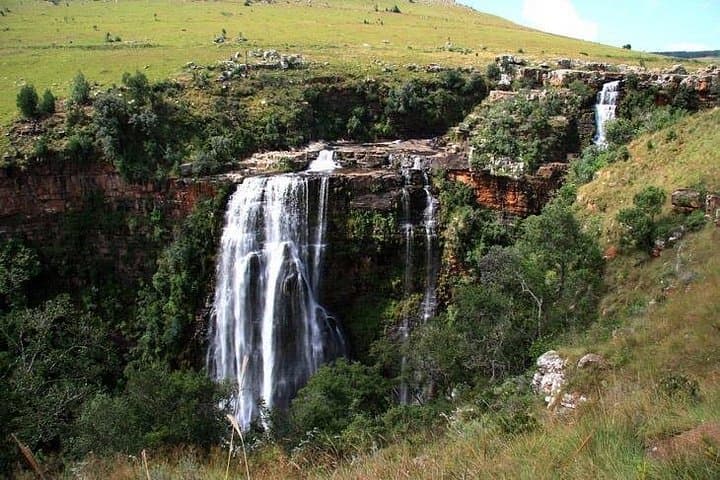
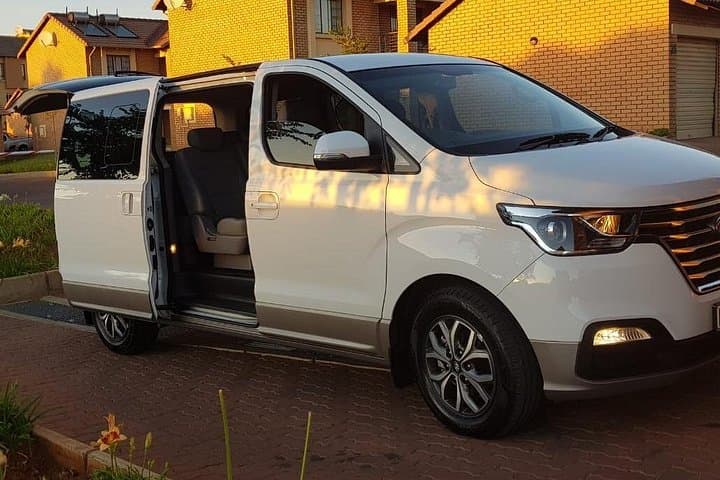
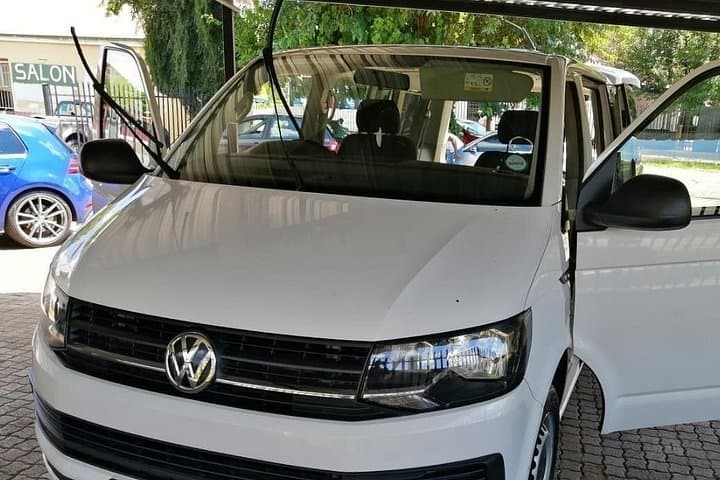
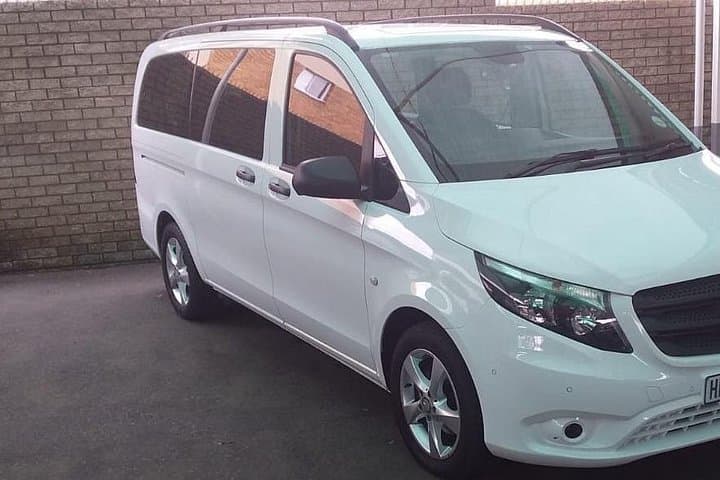
The road peels away from Pretoria before dawn, headlights threading through veld and eucalyptus until the landscape opens into a series of high ridges and deep-cut valleys. By midmorning, the car crests a viewpoint and the Blyde River Canyon spills out below—sheer walls, a river daring you to come closer, and the Three Rondavels standing like natural monuments carved from ochre rock.
The road peels away from Pretoria before dawn, headlights threading through veld and eucalyptus until the landscape opens into a series of high ridges and deep-cut valleys. By midmorning, the car crests a viewpoint and the Blyde River Canyon spills out below—sheer walls, a river daring you to come closer, and the Three Rondavels standing like natural monuments carved from ochre rock.
This private transfer via the Panoramic Route stitches together some of Mpumalanga’s most dramatic geology and the living wild of Kruger National Park. The route follows a scar left by ancient rivers: sandstone and quartzite folded and washed over millions of years into cliffs, potholes, and narrow gorges. European settlers mapped the route in the 19th century, but the valley has been part of San, Swazi and Pedi landscapes for far longer—hills that supplied water, migration corridors and spiritual sites.
Along the way, culture reads in small details: roadside stalls selling freshly made vetkoek and biltong, the hum of township radio drifting across parking lots, and Graskop’s modest cafes where guides swap animal sightings. The Panoramic Route’s attractions—God’s Window, Bourke’s Luck Potholes, and the Three Rondavels—feel cinematic because the rocks themselves act. Wind pushes through the canyons, clouds stage quick, mobile shadows, and the Blyde River keeps time.
Practically, this is a vehicle-forward day: expect 4–7 hours depending on stops. The operator provides private, air-conditioned transport and flexible hotel or airport pickup; wheelchair and stroller access are noted, and the pace is suitable for most travelers. Early starts mean cooler temperatures and crisper light for photography; afternoons bring heat and more haze.
Pack binoculars and a camera with a mid-range zoom, but also bring layered clothing—highland weather changes fast—and sunscreen. Restrooms and basic refreshments are available at major stops, but small vendors accept cash more readily than cards. If your ultimate goal is Kruger, plan a later transfer into the park or a separate overnight—this tour is a comfortable way to arrive without the stress of driving.
Conservation is visible and fragile here: Kruger’s boundaries are actively patrolled and community tourism helps sustain local economies, but visitors should keep distance from wildlife and avoid single-use plastics. A Panoramic Route transfer is not a deep safari, but it is an efficient, scenic corridor from city to savanna—one that places you on the threshold of Africa’s large-game country with the canyon’s wind and water still at your back.