THE ADVENTURE COLLECTIVE® · Independent discovery and booking for outdoor travel

Cross the border from Maputo for a full-day open-vehicle safari into Kruger National Park. Expect concentrated game viewing, river-edge encounters, and a long but rewarding 9–10 hour day guided by experienced trackers.
Cross the border from Maputo for a full-day open-vehicle safari into Kruger National Park. Expect concentrated game viewing, river-edge encounters, and a long but rewarding 9–10 hour day guided by experienced trackers.
Before sunrise the open vehicle breathes and the road unwinds toward a boundary where two countries meet and wildlife keeps its own hours. Riders from Maputo cross at the border and, within a couple hours, the scrub opens to long grasses and the Crocodile River begins to dare you with its banks—hippos lurking, elephants moving like slow tectonics across the plains.
Verified experiences and guided adventures in the surrounding area.
Operated by Mabeco Tours Lda · Komatipoort, Mpumalanga
Before sunrise the open vehicle breathes and the road unwinds toward a boundary where two countries meet and wildlife keeps its own hours. Riders from Maputo cross at the border and, within a couple hours, the scrub opens to long grasses and the Crocodile River begins to dare you with its banks—hippos lurking, elephants moving like slow tectonics across the plains.
Kruger National Park, created in the late 19th century under President Paul Kruger, is one of Africa’s oldest conservation areas and part of a larger transfrontier ecosystem that links South Africa to Mozambique’s Limpopo National Park. Geologically the landscape is ancient granite and gneiss with lowveld savanna, seasonal pans and riverine corridors that concentrate game and birds. Cultural ties run deep here: local communities around the park maintain traditional uses of the land and work increasingly with park management on anti-poaching and tourism initiatives.
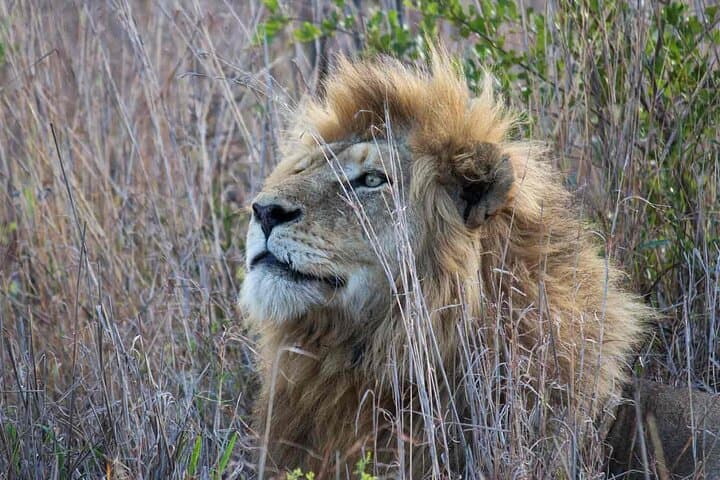
On a one-day open-vehicle safari expect long stretches on dirt tracks, multiple game stops, and guided commentary that zeroes in on spoor, bird calls, and the behavior of the Big Five. The day is long—9–10 hours—so practical planning matters: layer clothing for early chill and midday heat, bring binoculars, sun protection, and a reusable water bottle (bottled water typically provided). Cameras with fast lenses and steady hands pay dividends when a lion stands at the road’s edge.
Logistics: bring your passport (six months validity), be ready for a border crossing, and travel with a guide who reads animal movement as well as the map. This is a compact, intense window into Kruger—designed for sightings, stories, and a clear sense of the park’s scale and stewardship challenges.
easy.
9–10 hours.
Minimal hiking required but expect long periods seated; good mobility for climbing into/out of an open vehicle helps.
Visa requirements depend on your nationality; check current South African visa rules and bring a passport valid for at least six months.
Confirm with the operator—this tour includes transport, guide, lunch and bottled water, but specific park fees or cross-border charges may vary.
A one-day open-vehicle safari offers reasonable chances for sightings, especially of elephant and buffalo, but big cat and rhino sightings are never guaranteed and depend on luck and season.
The tour is rated easy and suitable for most fitness levels, but climbing into an open vehicle and a long day can be challenging for some; specialized infant seats may be available—ask when booking.
Established in 1898, Kruger was among the first African parks created to protect wildlife and remains central to cross-border conservation efforts in the Greater Limpopo region.
Kruger faces ongoing anti-poaching challenges and works with neighboring countries and local communities to protect wildlife and support sustainable tourism initiatives.
Mabeco Tours Lda operates guided outdoor trips and adventures with an emphasis on safety, stewardship, and memorable experiences.


Before sunrise the open vehicle breathes and the road unwinds toward a boundary where two countries meet and wildlife keeps its own hours. Riders from Maputo cross at the border and, within a couple hours, the scrub opens to long grasses and the Crocodile River begins to dare you with its banks—hippos lurking, elephants moving like slow tectonics across the plains.
Before sunrise the open vehicle breathes and the road unwinds toward a boundary where two countries meet and wildlife keeps its own hours. Riders from Maputo cross at the border and, within a couple hours, the scrub opens to long grasses and the Crocodile River begins to dare you with its banks—hippos lurking, elephants moving like slow tectonics across the plains.
Kruger National Park, created in the late 19th century under President Paul Kruger, is one of Africa’s oldest conservation areas and part of a larger transfrontier ecosystem that links South Africa to Mozambique’s Limpopo National Park. Geologically the landscape is ancient granite and gneiss with lowveld savanna, seasonal pans and riverine corridors that concentrate game and birds. Cultural ties run deep here: local communities around the park maintain traditional uses of the land and work increasingly with park management on anti-poaching and tourism initiatives.
On a one-day open-vehicle safari expect long stretches on dirt tracks, multiple game stops, and guided commentary that zeroes in on spoor, bird calls, and the behavior of the Big Five. The day is long—9–10 hours—so practical planning matters: layer clothing for early chill and midday heat, bring binoculars, sun protection, and a reusable water bottle (bottled water typically provided). Cameras with fast lenses and steady hands pay dividends when a lion stands at the road’s edge.
Logistics: bring your passport (six months validity), be ready for a border crossing, and travel with a guide who reads animal movement as well as the map. This is a compact, intense window into Kruger—designed for sightings, stories, and a clear sense of the park’s scale and stewardship challenges.