THE ADVENTURE COLLECTIVE® · Independent discovery and booking for outdoor travel

Set out before sunrise on a 5–7 hour morning drive into Kruger National Park from Hazyview. Expect close-up sightings of large mammals and birds as guides follow spoor, waterholes, and the early light for the best wildlife viewing.
Set out before sunrise on a 5–7 hour morning drive into Kruger National Park from Hazyview. Expect close-up sightings of large mammals and birds as guides follow spoor, waterholes, and the early light for the best wildlife viewing.
Before the sun breaks the horizon you’re already moving—an open 4x4 threading the pale tracks, breath visible in cool air, and the bush ahead sharpening into silhouettes.
Verified experiences and guided adventures in the surrounding area.
Operated by Ultimate Victory Tours · Hazyview, Mpumalanga
Before the sun breaks the horizon you’re already moving—an open 4x4 threading the pale tracks, breath visible in cool air, and the bush ahead sharpening into silhouettes.
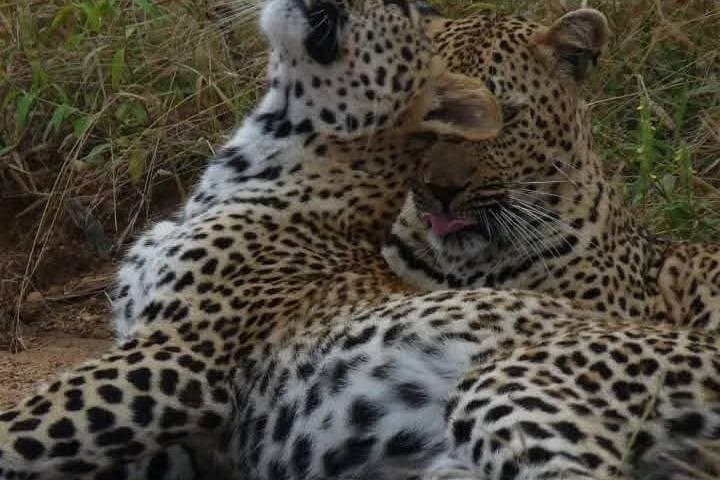
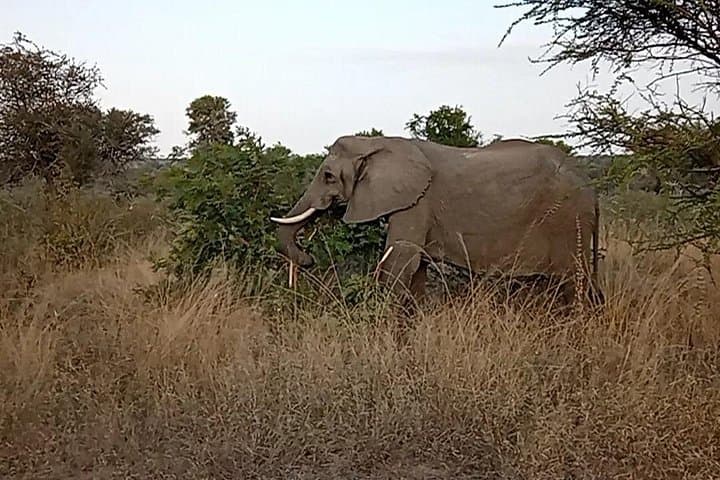
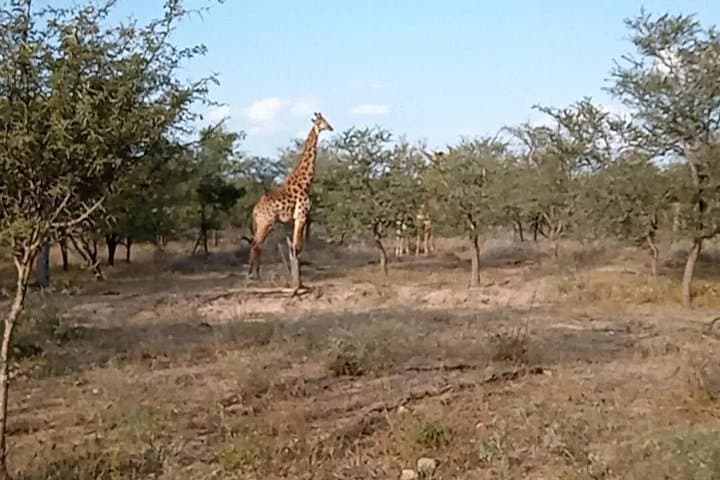
Morning drives in Kruger push you into the hours when predators are most active and grazers still drink. The Sabie and Crocodile river systems that feed the park carve the terrain; granite outcrops and lowveld mopane plains set the stage for lions, elephants, and elusive leopards.
Kruger’s story stretches from late-19th-century conservation proclamations under President Paul Kruger to the 1926 creation of the national park; today it’s managed across ecological and community interests while communities like the Shangaan and Tsonga remain part of the region’s cultural fabric.
On a practical level expect 5–7 hours in shared safari vehicles, pickup from Hazyview or nearby access points, and interpretive guides who read spoor and bird calls. Wildlife sightings are frequent but never guaranteed—the animals move on their own terms. Dawn light favors long shadows and dramatic photos, so bring a telephoto, fast lens, and vibration-aware technique.
Dress in neutral layers, keep water handy, and seal small bags against dust. Respect park rules: no disembarking outside designated stops, keep voices low, and follow your guide’s directions around large animals. Early departures mean cooler temperatures; mid-morning the heat changes animal behavior, so timing is strategic as much as scenic.
A morning in Kruger is part natural theater, part field study—expect surprises, quiet waits, and moments when the plain decides to reveal the animals on its timetable.
easy.
5–7 hours.
Suitable for most fitness levels; requires ability to sit on an open vehicle for several hours and to climb in/out of a safari vehicle
The experience runs about 5–7 hours, typically starting before dawn and returning mid to late morning.
No—sightings are common but not guaranteed; guides maximize opportunities by following spoor, waterholes, and recent reports.
This particular tour requires a minimum of two people per booking.
Yes—pickups are commonly arranged from Hazyview and nearby lodges; confirm your pickup point when booking.
The area was first set aside for wildlife in 1898 and formally established as Kruger National Park in 1926; it’s named after President Paul Kruger.
Kruger is a focal point for anti-poaching and rhino conservation programs and works with neighboring communities on sustainable tourism and land stewardship.
Ultimate Victory Tours operates guided outdoor trips and adventures with an emphasis on safety, stewardship, and memorable experiences.
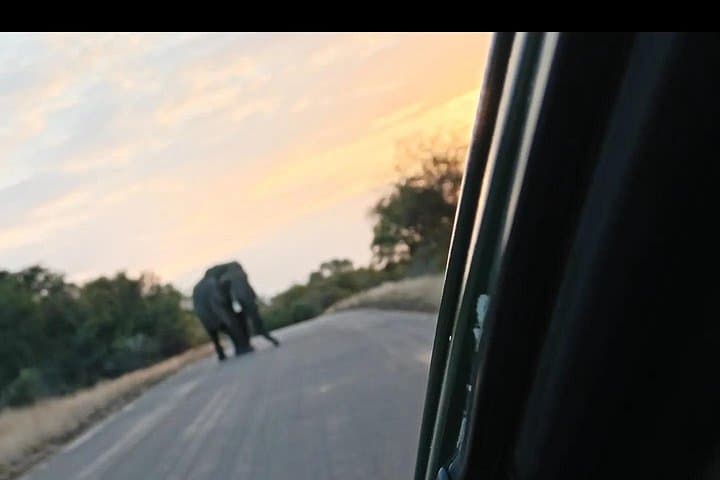
Before the sun breaks the horizon you’re already moving—an open 4x4 threading the pale tracks, breath visible in cool air, and the bush ahead sharpening into silhouettes.
Before the sun breaks the horizon you’re already moving—an open 4x4 threading the pale tracks, breath visible in cool air, and the bush ahead sharpening into silhouettes.
Morning drives in Kruger push you into the hours when predators are most active and grazers still drink. The Sabie and Crocodile river systems that feed the park carve the terrain; granite outcrops and lowveld mopane plains set the stage for lions, elephants, and elusive leopards.
Kruger’s story stretches from late-19th-century conservation proclamations under President Paul Kruger to the 1926 creation of the national park; today it’s managed across ecological and community interests while communities like the Shangaan and Tsonga remain part of the region’s cultural fabric.
On a practical level expect 5–7 hours in shared safari vehicles, pickup from Hazyview or nearby access points, and interpretive guides who read spoor and bird calls. Wildlife sightings are frequent but never guaranteed—the animals move on their own terms. Dawn light favors long shadows and dramatic photos, so bring a telephoto, fast lens, and vibration-aware technique.
Dress in neutral layers, keep water handy, and seal small bags against dust. Respect park rules: no disembarking outside designated stops, keep voices low, and follow your guide’s directions around large animals. Early departures mean cooler temperatures; mid-morning the heat changes animal behavior, so timing is strategic as much as scenic.
A morning in Kruger is part natural theater, part field study—expect surprises, quiet waits, and moments when the plain decides to reveal the animals on its timetable.