THE ADVENTURE COLLECTIVE® · Independent discovery and booking for outdoor travel

Spend a full day tracking the Big Five across Kruger’s Lowveld. This guided safari blends patient game drives with riverine birding and practical tips on what to pack and expect.
Spend a full day tracking the Big Five across Kruger’s Lowveld. This guided safari blends patient game drives with riverine birding and practical tips on what to pack and expect.
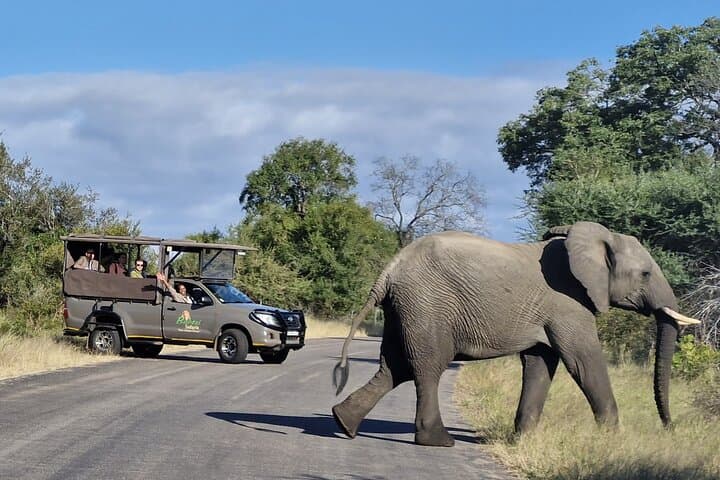
The morning light in Kruger pushes through acacia and mopane, turning the Lowveld gold as a guide eases the vehicle along a sand track. Birds call from riverine thickets and a distant elephant band rearranges the horizon; the day stretches in wide, deliberate hours where patience is the main currency.
Verified experiences and guided adventures in the surrounding area.
Operated by Bubezi Safaris · Skukuza, Mpumalanga
The morning light in Kruger pushes through acacia and mopane, turning the Lowveld gold as a guide eases the vehicle along a sand track. Birds call from riverine thickets and a distant elephant band rearranges the horizon; the day stretches in wide, deliberate hours where patience is the main currency.
Kruger National Park was formalized around the turn of the 20th century and carries both colonial and conservation histories tied to the name Paul Kruger and South Africa's protected-area movement. Geologically the park is Lowveld country — broad savanna plains stitched with granite koppies and seasonal rivers like the Sabie and Olifants that carve channels for wildlife and birds.
Culturally, nearby communities bring complementary crafts and flavors, while trackers and rangers maintain traditional knowledge used in modern anti-poaching work. Expect a rhythm of slow game drives punctuated by sudden bursts of activity when predators or big herds appear.
Practical guidance: full-day outings run roughly 10–12 hours; bring sunscreen, a wide-brim hat, and closed shoes for walks at designated stops. Bottled water is typically provided; plan to carry extra snacks and camera batteries. Guides issue directions on window and door safety near dangerous game — always follow them. Dawn and late afternoon are prime for sightings and softer light for photography; midday heat scatters animals into shade.
A full day in Kruger is less about hiking a linear trail and more about reading the land — watching tracks, river bends, and distant movement until the park gives you the story.
easy.
10–12 hours.
Suitable for most fitness levels; expect long periods seated with short guided walks at stops
Only bottled water is consistently listed as included; confirm with the operator about meals or bring snacks as needed.
Tours note infant seats are available and the experience is generally family-friendly, but check age and safety policies before booking.
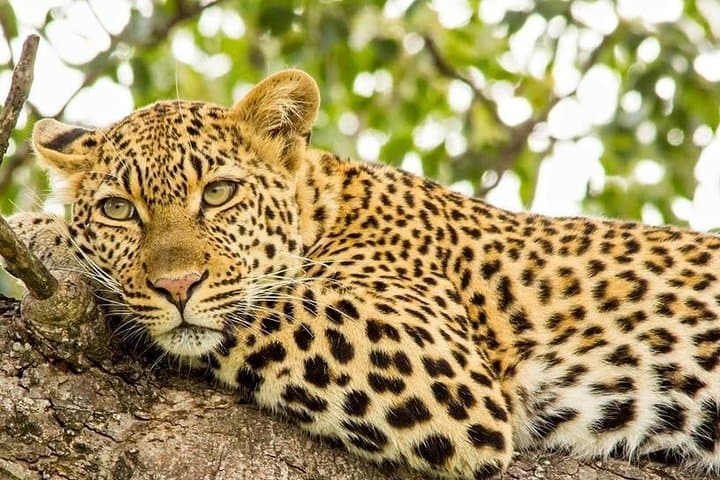
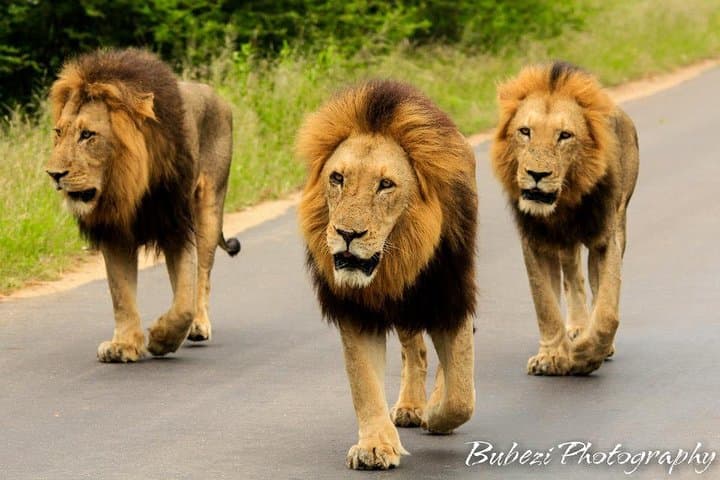
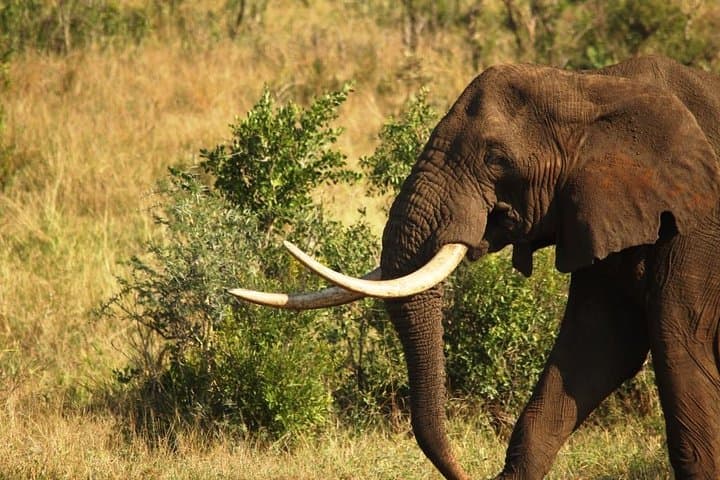
Guides aim to find the Big Five (lion, elephant, buffalo, leopard, rhinoceros) plus abundant antelope, giraffe, and birdlife, though sightings cannot be guaranteed.
This product lists an all-sales-final policy; cancellations are non-refundable, so review terms before booking.
Kruger evolved from early game reserves at the end of the 19th century into one of Africa's largest protected areas, reflecting South Africa’s early conservation efforts.
Rhino poaching remains a concern; stay on designated routes, support responsible operators, and respect park rules that protect wildlife and habitats.
Bubezi Safaris operates guided outdoor trips and adventures with an emphasis on safety, stewardship, and memorable experiences.
The morning light in Kruger pushes through acacia and mopane, turning the Lowveld gold as a guide eases the vehicle along a sand track. Birds call from riverine thickets and a distant elephant band rearranges the horizon; the day stretches in wide, deliberate hours where patience is the main currency.
The morning light in Kruger pushes through acacia and mopane, turning the Lowveld gold as a guide eases the vehicle along a sand track. Birds call from riverine thickets and a distant elephant band rearranges the horizon; the day stretches in wide, deliberate hours where patience is the main currency.
Kruger National Park was formalized around the turn of the 20th century and carries both colonial and conservation histories tied to the name Paul Kruger and South Africa's protected-area movement. Geologically the park is Lowveld country — broad savanna plains stitched with granite koppies and seasonal rivers like the Sabie and Olifants that carve channels for wildlife and birds.
Culturally, nearby communities bring complementary crafts and flavors, while trackers and rangers maintain traditional knowledge used in modern anti-poaching work. Expect a rhythm of slow game drives punctuated by sudden bursts of activity when predators or big herds appear.
Practical guidance: full-day outings run roughly 10–12 hours; bring sunscreen, a wide-brim hat, and closed shoes for walks at designated stops. Bottled water is typically provided; plan to carry extra snacks and camera batteries. Guides issue directions on window and door safety near dangerous game — always follow them. Dawn and late afternoon are prime for sightings and softer light for photography; midday heat scatters animals into shade.
A full day in Kruger is less about hiking a linear trail and more about reading the land — watching tracks, river bends, and distant movement until the park gives you the story.