THE ADVENTURE COLLECTIVE® · Independent discovery and booking for outdoor travel

Spend a private day from Split at Skradinski buk where the Krka River sculpts travertine falls, then sample family-made wines at Sladić. This six-hour tour mixes easy walking, geology, and local viticulture with expert local narration.
Spend a private day from Split at Skradinski buk where the Krka River sculpts travertine falls, then sample family-made wines at Sladić. This six-hour tour mixes easy walking, geology, and local viticulture with expert local narration.
Morning light slices through pines as the van threads the low karst hills toward Krka — a 50‑minute drive from Split that feels like sliding into another tempo. At Skradinski buk the river takes center stage: it works and reworks the limestone, pushing water over stepped travertine shelves while wooden walkways guide you close enough to hear each cascade breathing.
Verified experiences and guided adventures in the surrounding area.
Operated by Grand Tour Travel · Split, Split-Dalmatia County
Morning light slices through pines as the van threads the low karst hills toward Krka — a 50‑minute drive from Split that feels like sliding into another tempo. At Skradinski buk the river takes center stage: it works and reworks the limestone, pushing water over stepped travertine shelves while wooden walkways guide you close enough to hear each cascade breathing.
Krka is carved from karst geology; calcium-rich water deposits travertine that builds and repairs the falls. Human history here follows water — medieval mills and convents used the current for grain and ritual, and the villages around Skradin kept small-scale viticulture shaped by same mineral soils you’ll taste at Sladić. Your guide threads local stories with natural context, explaining why the park’s 17 waterfalls cluster in this stretch and how traditional winemaking stayed tied to the land.
Practically: expect 2–3 kilometers of mostly level walking on durable wooden boardwalks and short gravel links, with minimal elevation gain but plenty of stairs at viewpoint sections. Park entry is typically paid separately; the tour includes a Sladić winery tasting of three wines and a short presentation, and lunch is optional at local venues. Bring sturdy shoes, refillable water, sun protection, and a light rain layer for spray or sudden weather. If you want quieter photos, aim for early departures or late afternoons when tour buses thin out. This is a day that pairs clear, tactile riverwork with cultivated human taste — comfortable, sensory, and distinctly Dalmatian.
moderate.
6 hours.
Moderate fitness required — comfortable walking for a few hours and climbing short flights of stairs.
Park admission is typically not included in this tour; check booking details and buy tickets in advance or ask the operator to include them.
Expect about 2–3 km of mostly level walking on wooden boardwalks with some stairs and short gravel sections; the route is suitable for most walkers.
The tour includes a Sladić winery tasting of three wines and a presentation; lunch is optional and usually available at additional cost.
Yes—paths at Skradinski buk are generally stroller-accessible, and infant seats are available in vehicles, but participants should still be able to navigate boardwalks.
Krka’s falls powered local mills and supported monasteries for centuries; cultural sites like watermills and riverine hamlets reflect a human relationship with flowing water.
Krka National Park manages visitor flow and infrastructure—stay on marked paths, avoid feeding wildlife, and use park facilities; fees support habitat protection.
Grand Tour Travel operates guided outdoor trips and adventures with an emphasis on safety, stewardship, and memorable experiences.
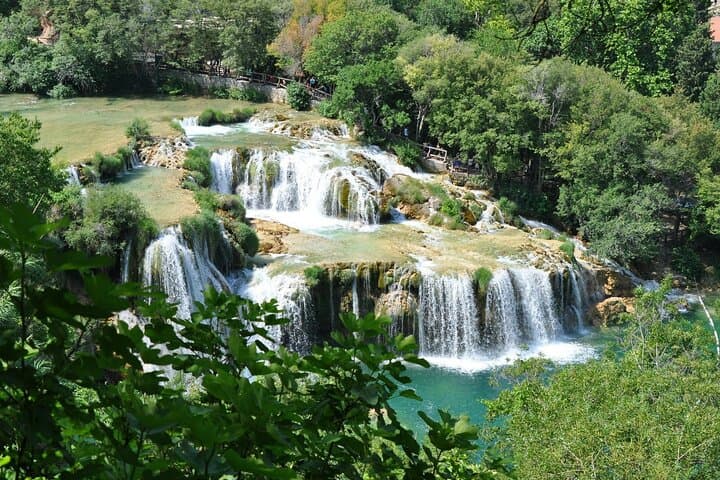
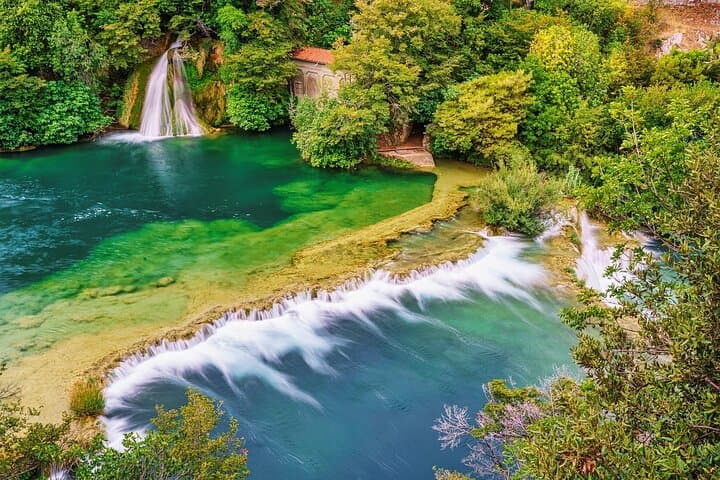
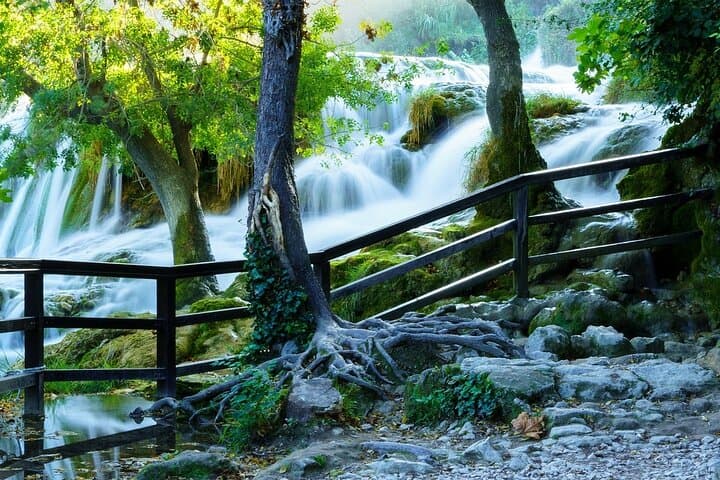

Morning light slices through pines as the van threads the low karst hills toward Krka — a 50‑minute drive from Split that feels like sliding into another tempo. At Skradinski buk the river takes center stage: it works and reworks the limestone, pushing water over stepped travertine shelves while wooden walkways guide you close enough to hear each cascade breathing.
Morning light slices through pines as the van threads the low karst hills toward Krka — a 50‑minute drive from Split that feels like sliding into another tempo. At Skradinski buk the river takes center stage: it works and reworks the limestone, pushing water over stepped travertine shelves while wooden walkways guide you close enough to hear each cascade breathing.
Krka is carved from karst geology; calcium-rich water deposits travertine that builds and repairs the falls. Human history here follows water — medieval mills and convents used the current for grain and ritual, and the villages around Skradin kept small-scale viticulture shaped by same mineral soils you’ll taste at Sladić. Your guide threads local stories with natural context, explaining why the park’s 17 waterfalls cluster in this stretch and how traditional winemaking stayed tied to the land.
Practically: expect 2–3 kilometers of mostly level walking on durable wooden boardwalks and short gravel links, with minimal elevation gain but plenty of stairs at viewpoint sections. Park entry is typically paid separately; the tour includes a Sladić winery tasting of three wines and a short presentation, and lunch is optional at local venues. Bring sturdy shoes, refillable water, sun protection, and a light rain layer for spray or sudden weather. If you want quieter photos, aim for early departures or late afternoons when tour buses thin out. This is a day that pairs clear, tactile riverwork with cultivated human taste — comfortable, sensory, and distinctly Dalmatian.