THE ADVENTURE COLLECTIVE® · Independent discovery and booking for outdoor travel

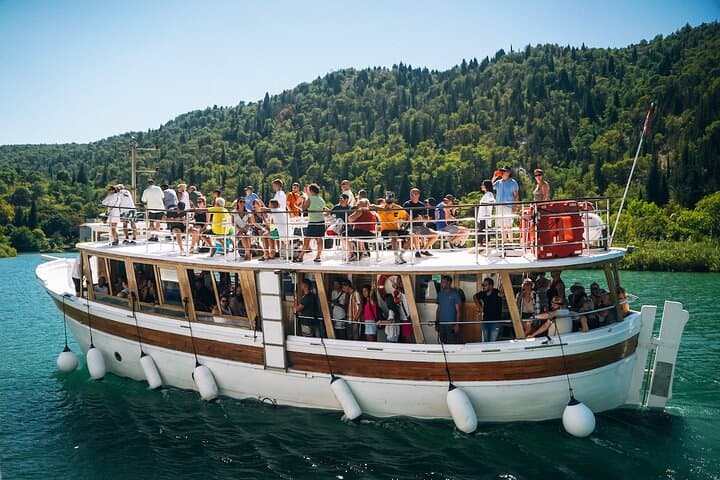
Explore Krka National Park on a day trip from Split: walk boardwalks around Skradinski Buk, swim in clear pools, and take a panoramic boat ride to historic Skradin. This guide outlines what to expect and how to prepare for the day.
Explore Krka National Park on a day trip from Split: walk boardwalks around Skradinski Buk, swim in clear pools, and take a panoramic boat ride to historic Skradin. This guide outlines what to expect and how to prepare for the day.
You step off the coach into a humid ribbon of limestone and river mist: Krka’s water threads over terraces of travertine, the air smelling faintly of wet stone and pine. The guide points toward Skradinski Buk — the park’s largest cascade — where water pushes and folds, daring you to stand close and watch the current carve steps into rock.
Verified experiences and guided adventures in the surrounding area.
Operated by Booker - travel agency · Skradin, Šibenik-Knin County
You step off the coach into a humid ribbon of limestone and river mist: Krka’s water threads over terraces of travertine, the air smelling faintly of wet stone and pine. The guide points toward Skradinski Buk — the park’s largest cascade — where water pushes and folds, daring you to stand close and watch the current carve steps into rock.
The river Krka has shaped this landscape for millennia, creating travertine barriers that trap pools and small islands. The area around Šibenik and Skradin carries layers of history: Illyrian and Roman traces, medieval fortresses guarding the estuary, and Jaruga hydroelectric plant — one of Europe’s earliest — which marks the dawn of industrial use of river power here.
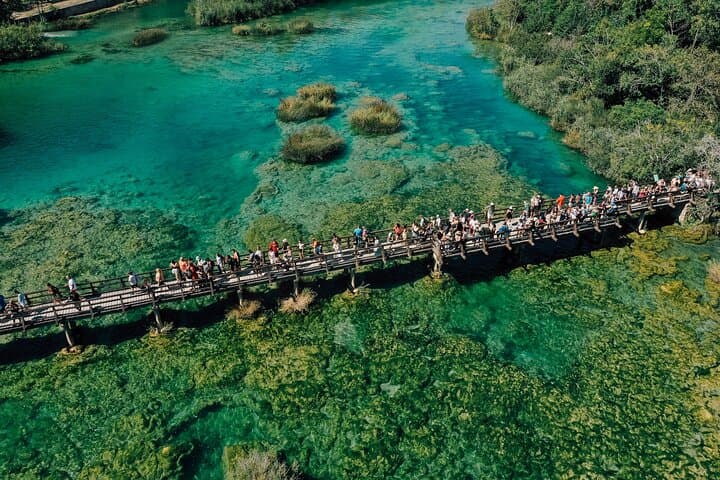
Culturally, the park sits between inland Dalmatian villages and the Adriatic coast; local life still revolves around olive groves, small-scale fishing, and seasonal tourism. Expect boardwalks and viewing platforms around the falls, a boat shuttle downstream toward Skradin, and a compact ethno-village that explains traditional crafts.
Practical guidance: wear sturdy sandals or quick-dry shoes for short swims and slippery wooden paths, bring sunscreen and a swim towel, and plan for a full-day outing (the usual Split departure returns in the evening). Photography is constant here, but respect marked boundaries — the travertine is fragile. If you want quieter moments, arrive earlier in the morning departures or linger in Skradin after the boat ride; the fortress offers clear views where the river meets the sea.
easy.
10 hours.
Suitable for most fitness levels; expect light walking on flat and uneven boardwalks and short swims.
Yes — there are designated swimming areas and people commonly swim in season; follow park rules and lifeguard or guide directions.
The panoramic boat shuttle typically takes around 20–30 minutes depending on route and water levels.
Not always included — check the tour details; some operators include park admission while others expect you to pay on arrival.
Yes — this is a full-day excursion that departs Split and returns the same evening; confirm pickup time on booking.
Krka’s mills and the Jaruga plant reflect centuries of human use of the river, from traditional watermills to one of Europe’s first hydroelectric stations.
The park manages visitor flow with boardwalks and restricted zones to protect delicate travertine formations; stick to paths and pack out waste to minimize impact.
Booker - travel agency operates guided outdoor trips and adventures with an emphasis on safety, stewardship, and memorable experiences.
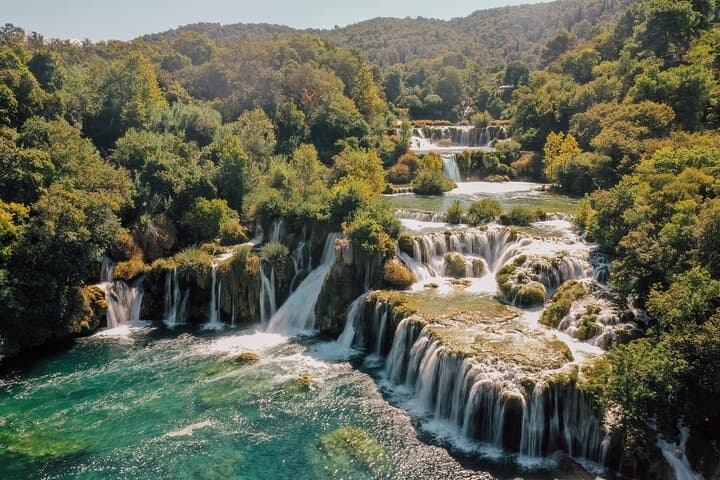

You step off the coach into a humid ribbon of limestone and river mist: Krka’s water threads over terraces of travertine, the air smelling faintly of wet stone and pine. The guide points toward Skradinski Buk — the park’s largest cascade — where water pushes and folds, daring you to stand close and watch the current carve steps into rock.
You step off the coach into a humid ribbon of limestone and river mist: Krka’s water threads over terraces of travertine, the air smelling faintly of wet stone and pine. The guide points toward Skradinski Buk — the park’s largest cascade — where water pushes and folds, daring you to stand close and watch the current carve steps into rock.
The river Krka has shaped this landscape for millennia, creating travertine barriers that trap pools and small islands. The area around Šibenik and Skradin carries layers of history: Illyrian and Roman traces, medieval fortresses guarding the estuary, and Jaruga hydroelectric plant — one of Europe’s earliest — which marks the dawn of industrial use of river power here.
Culturally, the park sits between inland Dalmatian villages and the Adriatic coast; local life still revolves around olive groves, small-scale fishing, and seasonal tourism. Expect boardwalks and viewing platforms around the falls, a boat shuttle downstream toward Skradin, and a compact ethno-village that explains traditional crafts.
Practical guidance: wear sturdy sandals or quick-dry shoes for short swims and slippery wooden paths, bring sunscreen and a swim towel, and plan for a full-day outing (the usual Split departure returns in the evening). Photography is constant here, but respect marked boundaries — the travertine is fragile. If you want quieter moments, arrive earlier in the morning departures or linger in Skradin after the boat ride; the fortress offers clear views where the river meets the sea.