THE ADVENTURE COLLECTIVE® · Independent discovery and booking for outdoor travel

A shore excursion that pairs Krka’s broad travertine waterfalls with a walking tour of Zadar’s ancient streets. Tailored to cruise schedules, it combines nature, history and a local guide for a compact day trip.
A shore excursion that pairs Krka’s broad travertine waterfalls with a walking tour of Zadar’s ancient streets. Tailored to cruise schedules, it combines nature, history and a local guide for a compact day trip.
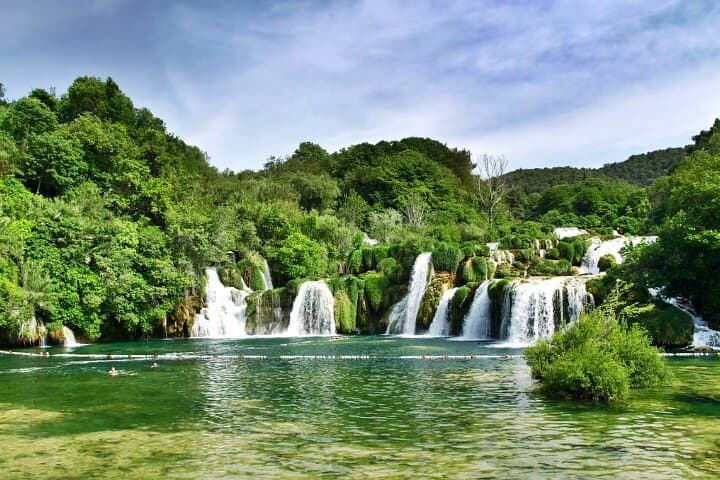
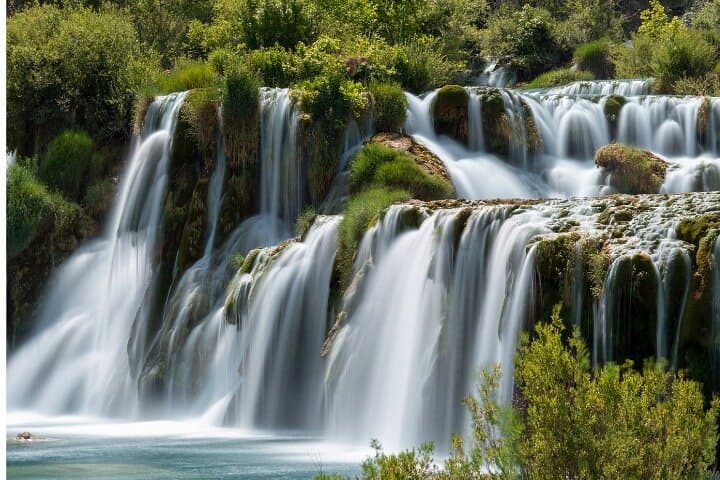
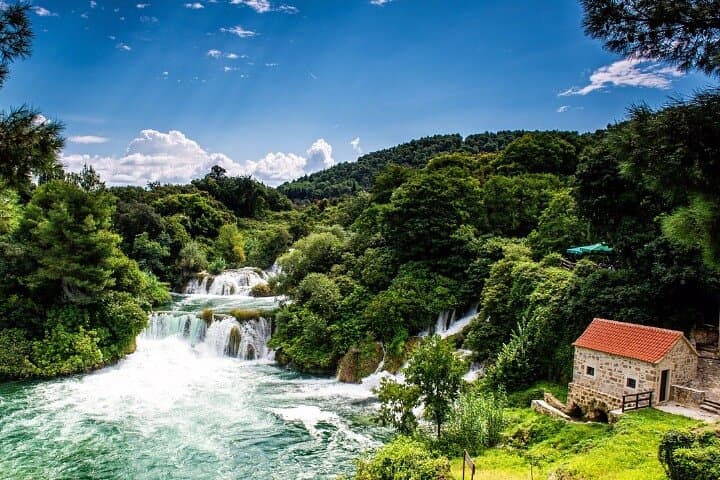
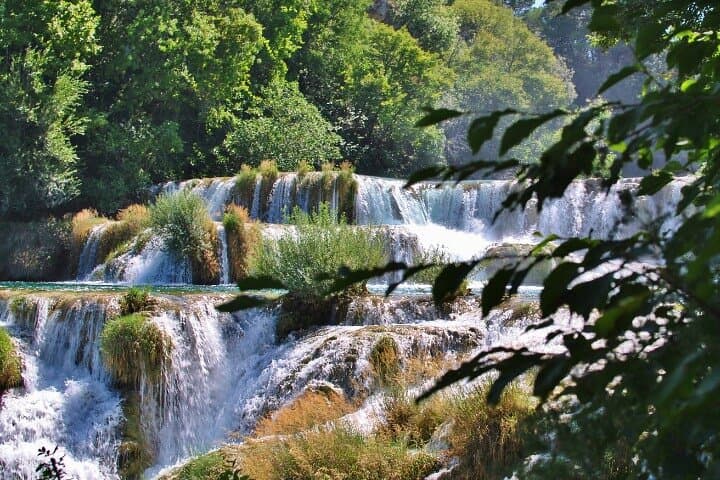
You step off the gangway into a cool Adriatic breeze, the port calling you toward a day that moves from limestone rivers to 3,000-year-old streets. A short coach ride eases you inland; the roar of Krka grows before the falls come into view — broad cascades threading through travertine steps, water daring you to come closer while the guide points out old mills and the hydroelectric plant that helped modernize the region.
Verified experiences and guided adventures in the surrounding area.
Operated by Romeo&Juliet Excursions Zadar · Skradin, Zadar County
You step off the gangway into a cool Adriatic breeze, the port calling you toward a day that moves from limestone rivers to 3,000-year-old streets. A short coach ride eases you inland; the roar of Krka grows before the falls come into view — broad cascades threading through travertine steps, water daring you to come closer while the guide points out old mills and the hydroelectric plant that helped modernize the region.
Krka National Park is carved from karst: soluble limestone that builds tufa dams and pools where water slows and deposits minerals. The nearby ethno-village preserves rural life — traditional houses, millstones, and local crafts that hint at Dalmatia’s agricultural past. Back in Zadar, the city’s Roman forum, medieval churches and the Sea Organ — a concrete instrument played by the sea — map centuries of trade and seafaring culture along the Dalmatian coast.
Practical edge: this excursion is designed for cruise timetables, so punctuality is essential. Expect several hours of easy walking on boardwalks and uneven stone; closed shoes with good grip help. Park rules about swimming and access can change seasonally, so check with your guide if you plan to dip in. Carry sunscreen, a refillable bottle, and a small towel if summer temperatures tempt you.
The tour blends natural spectacle with compact cultural stops — ideal for travelers with limited time in port who want a single, well-paced introduction to Croatia’s inland waters and coastal history.
easy.
6–7 hours.
Suitable for travelers in light to moderate shape; expect 2–3 hours of walking on uneven surfaces with short easy climbs.
Check your tour confirmation; many shore excursions include transport and a guide but not always park admission — confirm with the operator before your trip.
Krka is about 70–90 minutes by road from Zadar depending on traffic; this tour is scheduled around cruise timetables, but punctuality is crucial to ensure return to the ship.
Most routes use boardwalks and are low-grade; they are manageable for many older travelers, though there are uneven spots — notify the operator of mobility needs in advance.
Swimming is sometimes allowed in designated areas but rules change to protect the park; your guide will advise on current restrictions and safe locations.
Krka’s Jaruga hydroelectric plant was among the earliest in continental Europe, highlighting the area’s role in early electrification and industrial heritage.
Stay on marked paths and avoid feeding wildlife; high visitor numbers can stress riverine habitats, so follow park guidance and pack out waste.
Romeo&Juliet Excursions Zadar operates guided outdoor trips and adventures with an emphasis on safety, stewardship, and memorable experiences.
You step off the gangway into a cool Adriatic breeze, the port calling you toward a day that moves from limestone rivers to 3,000-year-old streets. A short coach ride eases you inland; the roar of Krka grows before the falls come into view — broad cascades threading through travertine steps, water daring you to come closer while the guide points out old mills and the hydroelectric plant that helped modernize the region.
You step off the gangway into a cool Adriatic breeze, the port calling you toward a day that moves from limestone rivers to 3,000-year-old streets. A short coach ride eases you inland; the roar of Krka grows before the falls come into view — broad cascades threading through travertine steps, water daring you to come closer while the guide points out old mills and the hydroelectric plant that helped modernize the region.
Krka National Park is carved from karst: soluble limestone that builds tufa dams and pools where water slows and deposits minerals. The nearby ethno-village preserves rural life — traditional houses, millstones, and local crafts that hint at Dalmatia’s agricultural past. Back in Zadar, the city’s Roman forum, medieval churches and the Sea Organ — a concrete instrument played by the sea — map centuries of trade and seafaring culture along the Dalmatian coast.
Practical edge: this excursion is designed for cruise timetables, so punctuality is essential. Expect several hours of easy walking on boardwalks and uneven stone; closed shoes with good grip help. Park rules about swimming and access can change seasonally, so check with your guide if you plan to dip in. Carry sunscreen, a refillable bottle, and a small towel if summer temperatures tempt you.
The tour blends natural spectacle with compact cultural stops — ideal for travelers with limited time in port who want a single, well-paced introduction to Croatia’s inland waters and coastal history.