THE ADVENTURE COLLECTIVE® · Independent discovery and booking for outdoor travel

Walk across wooden boardwalks above travertine falls, take a short boat ride to the picturesque town of Skradin, then finish with a family winery tasting of Dalmatian varieties. This small‑group day trip from Split pairs geology and local food culture in one accessible outing.
Walk across wooden boardwalks above travertine falls, take a short boat ride to the picturesque town of Skradin, then finish with a family winery tasting of Dalmatian varieties. This small‑group day trip from Split pairs geology and local food culture in one accessible outing.
Morning light threads through plane trees as the mini-bus eases away from Split and the Krka River begins to call.
Verified experiences and guided adventures in the surrounding area.
Operated by TEMPER TRAVEL · Skradin, Šibenik-Knin County
Morning light threads through plane trees as the mini-bus eases away from Split and the Krka River begins to call.
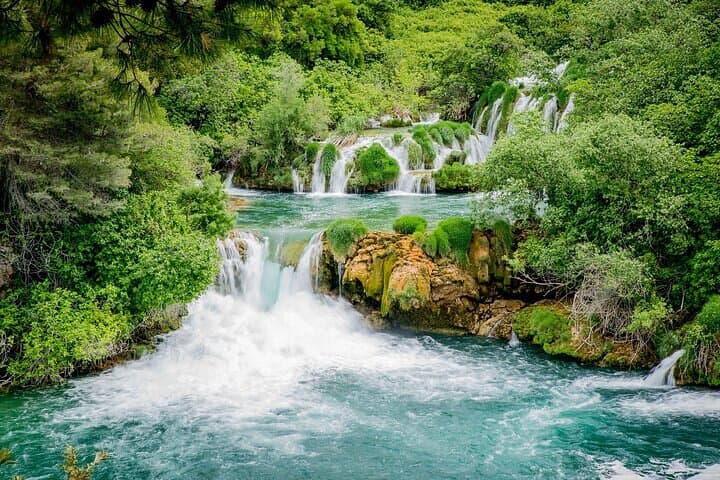
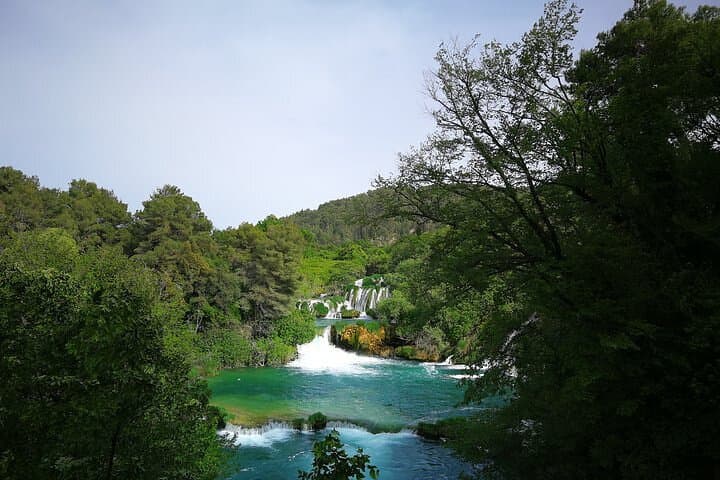
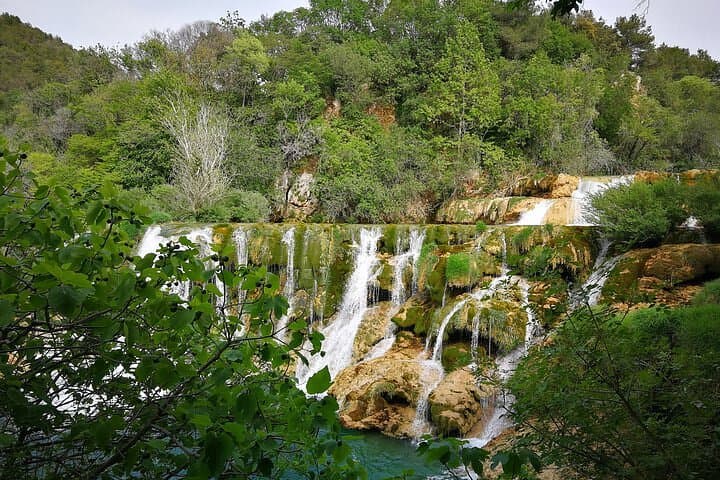
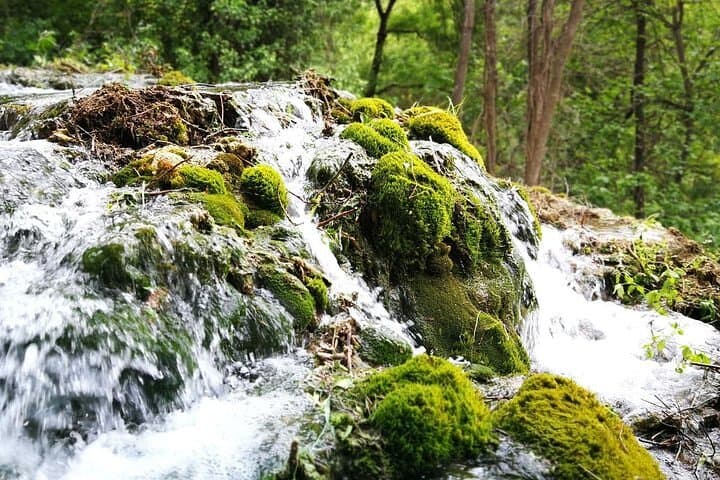
Within an hour you’re walking the wooden catwalks over clear, amber water; the river builds travertine steps and the spray from Skradinski buk dares you closer. The park’s cascades were formed where karst limestone and mossy tufa trap minerals, creating natural dams that change subtly every season. Old stone mills along the banks remember a time when water powered daily life; today they house ethnographic displays that sketch rural Dalmatia’s past.
After time at the falls, a short boat ride delivers you to Skradin — a small port town where café terraces look out over the estuary and local rhythms slow. The day finishes at a family-run winery near Skradin, sampling wines from indigenous grapes and olive oil pressed in traditional ways; it’s an immediate lesson in how the land’s limestone soils shape both river and vine.
Practical notes: this is an eight-hour small-group outing with periods of standing and walking on uneven wooden boardwalks. Bring sturdy shoes, a refillable bottle, sun protection and a light rain layer. Swimming is allowed in designated zones when conditions permit, but check the guide and park signage. Expect moderate fitness demands, plenty of photo opportunities, and a mix of natural geology, local history and hands-on tasting that frames Dalmatia’s relationship with water and wine.
moderate.
8 hours.
Expect periods of standing and walking on uneven wooden boardwalks and short stairs; a moderate fitness level is sufficient.
Park admission for Krka is typically not included; confirm with the operator and bring payment (card or cash) to purchase tickets at the entrance if needed.
Swimming is allowed only in designated areas and when the park permits it—your guide will advise based on current rules and safety conditions.
Expect moderate walking on wooden boardwalks and short stair sections; the itinerary includes time for exploring the falls and a short boat transfer to Skradin.
Boardwalks and steps make parts of the park challenging for travelers with limited mobility; those with spinal, heart or pregnancy-related restrictions should consult the operator.
The Krka valley’s stone mills and water-powered workshops reflect a centuries-old rural economy; the park preserves both natural and cultural heritage.
Krka National Park is protected to safeguard its tufa barriers and endemic species; visitors are asked to stay on paths, follow swimming regulations and minimize littering.
TEMPER TRAVEL operates guided outdoor trips and adventures with an emphasis on safety, stewardship, and memorable experiences.
Morning light threads through plane trees as the mini-bus eases away from Split and the Krka River begins to call.
Morning light threads through plane trees as the mini-bus eases away from Split and the Krka River begins to call.
Within an hour you’re walking the wooden catwalks over clear, amber water; the river builds travertine steps and the spray from Skradinski buk dares you closer. The park’s cascades were formed where karst limestone and mossy tufa trap minerals, creating natural dams that change subtly every season. Old stone mills along the banks remember a time when water powered daily life; today they house ethnographic displays that sketch rural Dalmatia’s past.
After time at the falls, a short boat ride delivers you to Skradin — a small port town where café terraces look out over the estuary and local rhythms slow. The day finishes at a family-run winery near Skradin, sampling wines from indigenous grapes and olive oil pressed in traditional ways; it’s an immediate lesson in how the land’s limestone soils shape both river and vine.
Practical notes: this is an eight-hour small-group outing with periods of standing and walking on uneven wooden boardwalks. Bring sturdy shoes, a refillable bottle, sun protection and a light rain layer. Swimming is allowed in designated zones when conditions permit, but check the guide and park signage. Expect moderate fitness demands, plenty of photo opportunities, and a mix of natural geology, local history and hands-on tasting that frames Dalmatia’s relationship with water and wine.