THE ADVENTURE COLLECTIVE® · Independent discovery and booking for outdoor travel

Spend a day moving from the royal heights of Wawel Hill to the subterranean halls of Wieliczka Salt Mine. This guided experience pairs medieval crowns with salt-carved chapels and practical local insights—perfect for history-minded outdoor travelers.
Spend a day moving from the royal heights of Wawel Hill to the subterranean halls of Wieliczka Salt Mine. This guided experience pairs medieval crowns with salt-carved chapels and practical local insights—perfect for history-minded outdoor travelers.
You step onto Wawel Hill with the Vistula pressing a cool wind against your face, columns and battlements above the city skyline. The guide leads the way past royal chambers and coronation sites where stone stairwells creak with seven centuries of ceremony, then the day pushes outward—an easy transfer through suburban lanes to a yawning shaft carved into the earth.
Verified experiences and guided adventures in the surrounding area.
Operated by Poland Active · Kraków, Lesser Poland
You step onto Wawel Hill with the Vistula pressing a cool wind against your face, columns and battlements above the city skyline. The guide leads the way past royal chambers and coronation sites where stone stairwells creak with seven centuries of ceremony, then the day pushes outward—an easy transfer through suburban lanes to a yawning shaft carved into the earth.
Wawel was Poland’s seat of kings: a compact museum of paintings, armor, and royal furniture housed on a rocky bluff that once controlled the river route. Wieliczka, by contrast, is carved by geology and labor—salt deposited over millions of years and mined continuously for some 700 years. The visitor route covers more than 3 km of tunnels and more than 20 chambers down to about 135 m on the tourist circuit (the mine reaches 340 m), with St. Kinga’s underground church a salt-sculpted cathedral of chandeliers and reliefs.
Culturally this is a day that moves between court ritual and miners’ craft. Expect myth—Princess Kinga’s legend—and practical microclimate notes: the mine stays around 14–16°C year-round and has a dry, steady air touted for respiratory relief.
Practical guidance: wear comfortable, closed-toe walking shoes and layers you can shed; knees and shoulders must be covered for sacred sites. The full tour runs about seven hours with periods of standing and stair descent; anyone with limited mobility should check accessibility before booking. Bring a compact daypack, water, and a camera (no tripods underground). Follow your guide and avoid touching salt carvings—preservation depends on every visitor.
moderate.
7 hours.
Moderate fitness—able to stand and walk several hours and manage staircases; not ideal for those with serious mobility limits.
The full experience is about seven hours with several hours of walking, museum visits, and a guided 3 km-plus route through the mine, including many stairs.
Yes—the mine maintains roughly 14–16°C year-round; bring a warm layer even in summer for comfort underground.
Yes—no shorts or sleeveless tops; knees and shoulders must be covered for both men and women or entry may be refused.
Not fully—significant staircases and uneven surfaces mean limited accessibility; contact the operator ahead to confirm accommodations or alternatives.
Wawel Hill served as Poland’s royal and ecclesiastical center for centuries; Wieliczka’s salt was an economic cornerstone from medieval times, shaping settlement and trade.
Both sites limit touching and control visitor flow to protect delicate historic interiors and salt carvings; follow guides and avoid food or oils that could damage surfaces.
Poland Active operates guided outdoor trips and adventures with an emphasis on safety, stewardship, and memorable experiences.
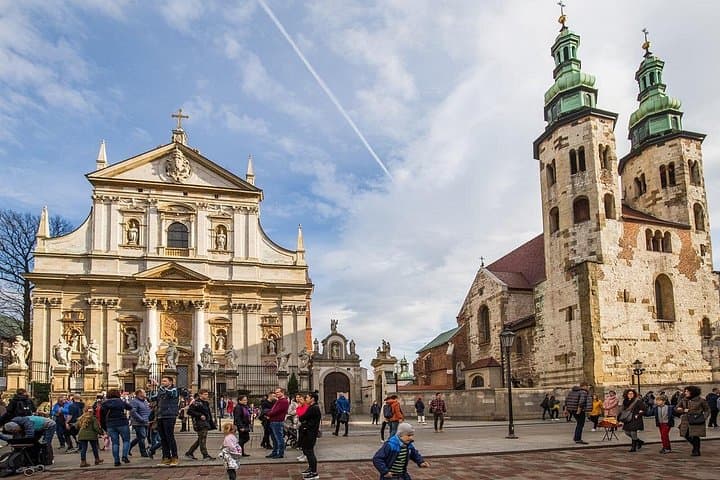
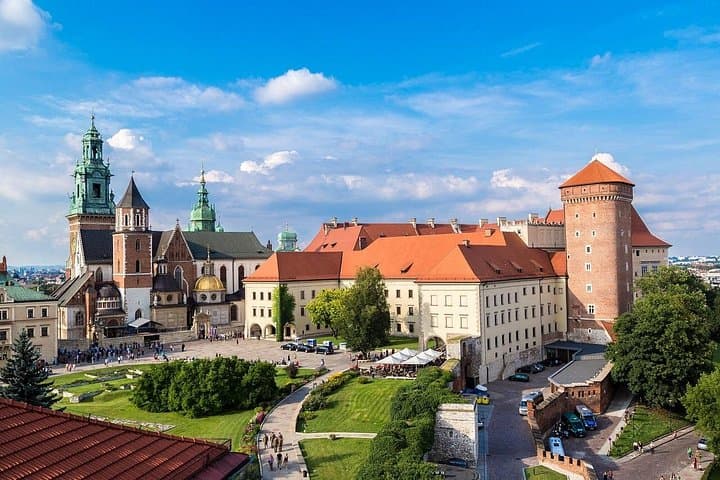
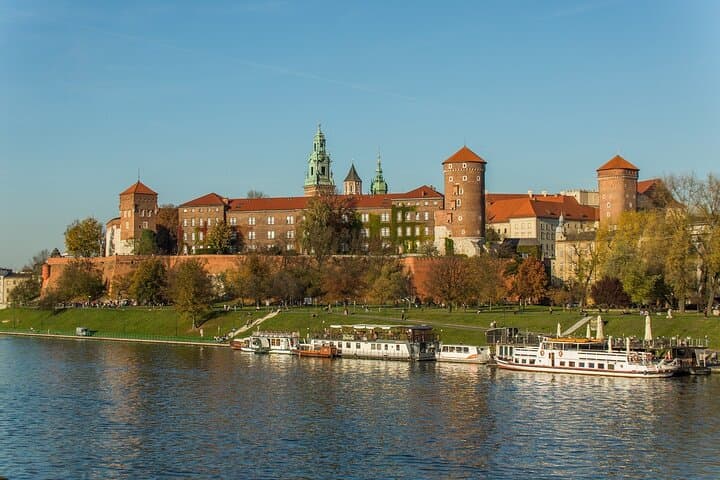
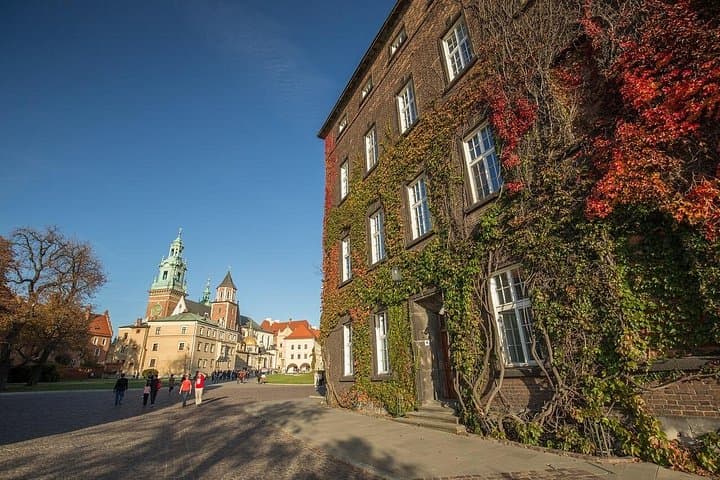
You step onto Wawel Hill with the Vistula pressing a cool wind against your face, columns and battlements above the city skyline. The guide leads the way past royal chambers and coronation sites where stone stairwells creak with seven centuries of ceremony, then the day pushes outward—an easy transfer through suburban lanes to a yawning shaft carved into the earth.
You step onto Wawel Hill with the Vistula pressing a cool wind against your face, columns and battlements above the city skyline. The guide leads the way past royal chambers and coronation sites where stone stairwells creak with seven centuries of ceremony, then the day pushes outward—an easy transfer through suburban lanes to a yawning shaft carved into the earth.
Wawel was Poland’s seat of kings: a compact museum of paintings, armor, and royal furniture housed on a rocky bluff that once controlled the river route. Wieliczka, by contrast, is carved by geology and labor—salt deposited over millions of years and mined continuously for some 700 years. The visitor route covers more than 3 km of tunnels and more than 20 chambers down to about 135 m on the tourist circuit (the mine reaches 340 m), with St. Kinga’s underground church a salt-sculpted cathedral of chandeliers and reliefs.
Culturally this is a day that moves between court ritual and miners’ craft. Expect myth—Princess Kinga’s legend—and practical microclimate notes: the mine stays around 14–16°C year-round and has a dry, steady air touted for respiratory relief.
Practical guidance: wear comfortable, closed-toe walking shoes and layers you can shed; knees and shoulders must be covered for sacred sites. The full tour runs about seven hours with periods of standing and stair descent; anyone with limited mobility should check accessibility before booking. Bring a compact daypack, water, and a camera (no tripods underground). Follow your guide and avoid touching salt carvings—preservation depends on every visitor.