THE ADVENTURE COLLECTIVE® · Independent discovery and booking for outdoor travel

See Kraków from the water on a short Vistula cruise, then step into history at Schindler’s Factory with a licensed guide. This 2½-hour combination blends panoramic city views with an immersive museum that chronicles life under Nazi occupation.
See Kraków from the water on a short Vistula cruise, then step into history at Schindler’s Factory with a licensed guide. This 2½-hour combination blends panoramic city views with an immersive museum that chronicles life under Nazi occupation.
You step onto a low-slung catamaran and the Vistula takes the lead, carrying the city past stone embankments and church spires while a cool breeze pushes against your jacket. From the river the layered skyline of Kraków unfolds: Wawel’s white limestone outcrop, the wavy roof of the museum of contemporary art, and the green rise of Kościuszko Mound.
Verified experiences and guided adventures in the surrounding area.
Operated by excursions.city · Kraków, Lesser Poland Voivodeship
You step onto a low-slung catamaran and the Vistula takes the lead, carrying the city past stone embankments and church spires while a cool breeze pushes against your jacket. From the river the layered skyline of Kraków unfolds: Wawel’s white limestone outcrop, the wavy roof of the museum of contemporary art, and the green rise of Kościuszko Mound.
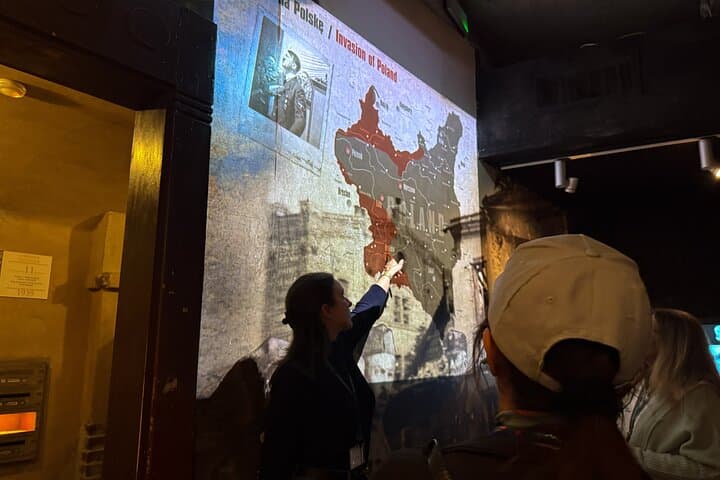
The tour pairs a short Vistula cruise with a guided visit to Oskar Schindler’s Enamel Factory, now the Museum of Kraków’s exhibition “Kraków under Nazi Occupation 1939–1945.” The river section offers a fresh vantage on the city’s urban geography; the museum section confronts wartime history through artifacts, photographs and immersive reconstructions in a building that once housed Schindler’s operations.
Geologically, Wawel’s Jurassic limestones stand above the river, a visible reminder of why settlements clustered here. Culturally, the route threads Podgórze and Kazimierz—districts marked by Jewish history, wartime memory, and contemporary cafés.
Practically: the combined experience lasts about 2½ hours. Expect to move from open-air decks into dim, narrow museum galleries; the exhibition’s design intentionally compresses space. Tickets include skip-the-line admission and headsets for larger groups; bring a government ID (names on tickets must match ID). Dress in layers for the river breeze, wear comfortable shoes for walking and standing, and allow time for public-transport connections. For anyone planning to visit with mobility needs or strong claustrophobia, check accessibility details and consider contacting organizers in advance. This is an urban half-day that pairs calm river moments with a serious, emotionally charged museum visit.
easy.
2–3 hours.
Suitable for most fitness levels; requires standing and short walks between dock and museum
The total experience is approximately 150 minutes (about 2½ hours): a short one-way Vistula cruise followed by a guided museum tour.
Yes—headsets are provided for groups of 15 or more so you can clearly hear the licensed guide in gallery spaces.
The museum covers difficult wartime topics and uses confined, immersive rooms; parents should judge suitability for their children’s age and sensitivity.
Photography policies vary by exhibit—non-flash photography is often allowed, but follow staff instructions in specific galleries.
Schindler’s Factory occupies the former enamel works of Oskar Schindler and anchors a broader exhibition on life in Kraków during Nazi occupation (1939–1945).
River traffic and urban development put pressure on Vistula habitats—stick to marked walkways and local guidelines. The museum works to preserve artifacts responsibly and encourages respectful visitation practices.
excursions.city operates guided outdoor trips and adventures with an emphasis on safety, stewardship, and memorable experiences.
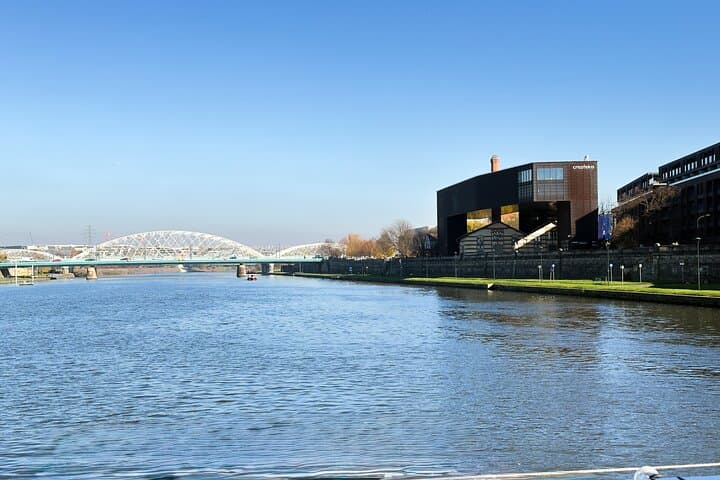
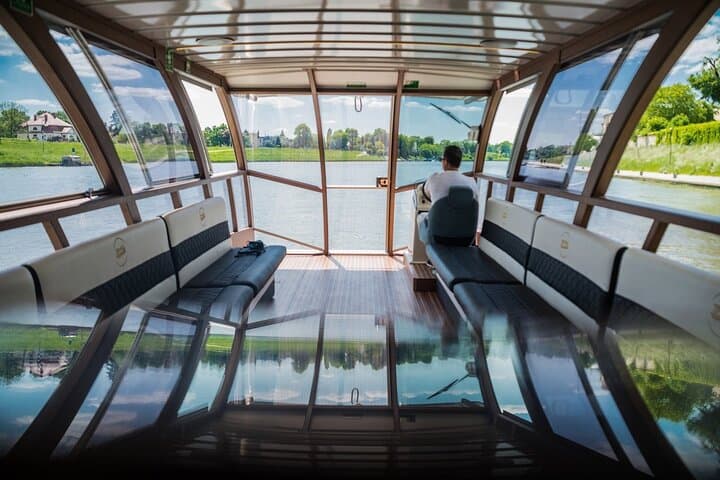

You step onto a low-slung catamaran and the Vistula takes the lead, carrying the city past stone embankments and church spires while a cool breeze pushes against your jacket. From the river the layered skyline of Kraków unfolds: Wawel’s white limestone outcrop, the wavy roof of the museum of contemporary art, and the green rise of Kościuszko Mound.
You step onto a low-slung catamaran and the Vistula takes the lead, carrying the city past stone embankments and church spires while a cool breeze pushes against your jacket. From the river the layered skyline of Kraków unfolds: Wawel’s white limestone outcrop, the wavy roof of the museum of contemporary art, and the green rise of Kościuszko Mound.
The tour pairs a short Vistula cruise with a guided visit to Oskar Schindler’s Enamel Factory, now the Museum of Kraków’s exhibition “Kraków under Nazi Occupation 1939–1945.” The river section offers a fresh vantage on the city’s urban geography; the museum section confronts wartime history through artifacts, photographs and immersive reconstructions in a building that once housed Schindler’s operations.
Geologically, Wawel’s Jurassic limestones stand above the river, a visible reminder of why settlements clustered here. Culturally, the route threads Podgórze and Kazimierz—districts marked by Jewish history, wartime memory, and contemporary cafés.
Practically: the combined experience lasts about 2½ hours. Expect to move from open-air decks into dim, narrow museum galleries; the exhibition’s design intentionally compresses space. Tickets include skip-the-line admission and headsets for larger groups; bring a government ID (names on tickets must match ID). Dress in layers for the river breeze, wear comfortable shoes for walking and standing, and allow time for public-transport connections. For anyone planning to visit with mobility needs or strong claustrophobia, check accessibility details and consider contacting organizers in advance. This is an urban half-day that pairs calm river moments with a serious, emotionally charged museum visit.