THE ADVENTURE COLLECTIVE® · Independent discovery and booking for outdoor travel

See Krakow from the river, then step into the quiet fields of the former Płaszów camp with an expert guide. This combined cruise and guided walk pairs panoramic city views with a paced, reflective exploration of a difficult history.
See Krakow from the river, then step into the quiet fields of the former Płaszów camp with an expert guide. This combined cruise and guided walk pairs panoramic city views with a paced, reflective exploration of a difficult history.
The Vistula nudges the city awake as the catamaran slips away from the quay — river water pressing at the hull, drawing your view to Wawel’s limestone escarpment and the low boulevards where pedestrians pause. For forty minutes the cruise lays Krakow out horizontally: fortresses, modern museum roofs wavy like the river, and the Kościuszko Mound standing like a watchful guardian.
Verified experiences and guided adventures in the surrounding area.
Operated by excursions.city · Krakow, Lesser Poland Voivodeship
The Vistula nudges the city awake as the catamaran slips away from the quay — river water pressing at the hull, drawing your view to Wawel’s limestone escarpment and the low boulevards where pedestrians pause. For forty minutes the cruise lays Krakow out horizontally: fortresses, modern museum roofs wavy like the river, and the Kościuszko Mound standing like a watchful guardian.
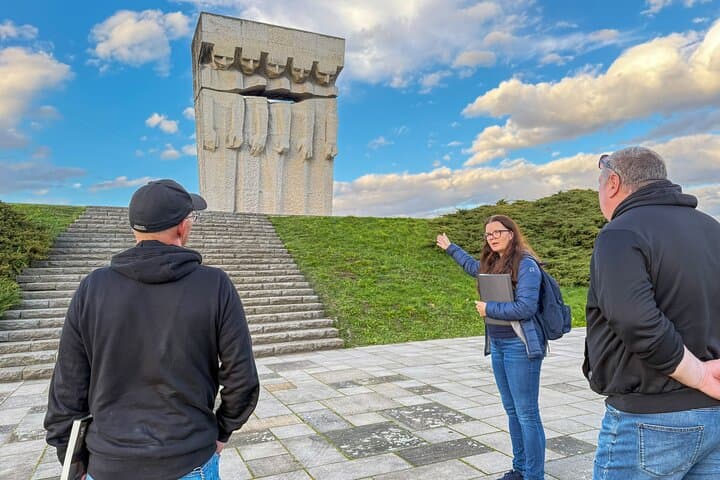
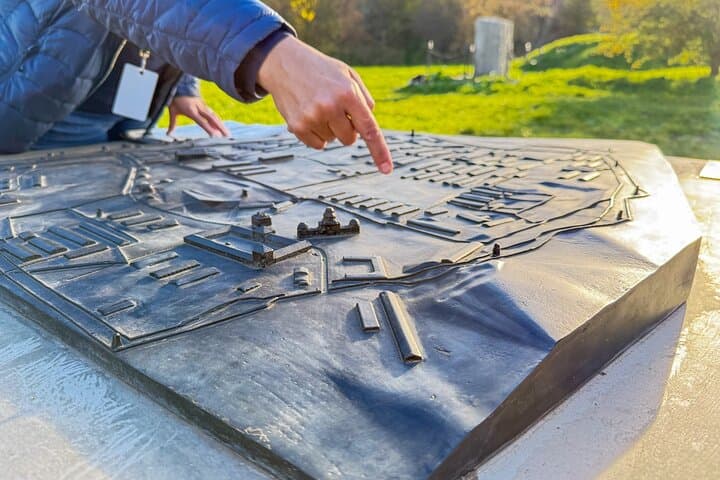
That calm is an overture. The second act is Płaszów: open ground where memory occupies absence. Created in 1942 on former cemetery land, the camp became a forced-labor and later concentration site. Visitors trace the Grey House, the roll-call square, and the Monument of Torn-Out Hearts while an expert guide reconstructs lives from fragments — gravestone pavements, fragments of buildings, and mass graves that mark the terrain.
Geology and city culture intersect here: Jurassic limestone bluffs above the river, medieval powerhouses on Wawel, and industrial corridors that fed wartime factories. The tour balances riverside panoramas with quiet reflection; it’s not spectacle but a paced, contemplative itinerary.
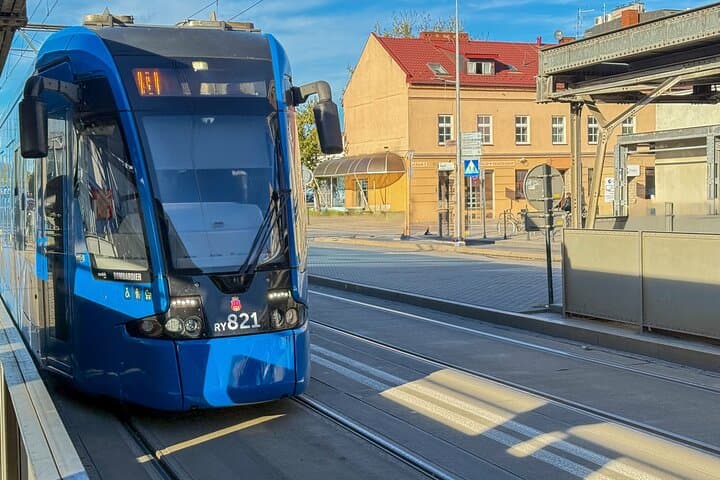
Practical guidance: arrive ten minutes early, bring a single tram ticket provided, and wear comfortable walking shoes for uneven ground. Expect about 2½ hours total; the walking portions are short but emotionally heavy. Respect memorial spaces, keep voices low, and allow time afterward to process what you’ve seen — a café along the Vistula or a bench on the boulevards makes for a quiet regrouping spot.
easy.
2–3 hours.
Suitable for most fitness levels; the walk is short but involves uneven ground and standing periods
The full tour runs about 150 minutes (approximately 2½ hours), including a short one-way Vistula cruise and a guided walk at Płaszów.
The experience is physically easy but includes uneven memorial grounds; infants must sit on laps and some participants with mobility limits may find parts challenging.
The cruise, tram ticket, and guided commentary are included; there is no separate admission to preserved buildings since Płaszów is primarily open landscape and memorials.
Yes, the tour runs in most weather conditions—dress appropriately; refunds are available only if you cancel at least 24 hours in advance per the policy.
Płaszów began in 1942 on grounds of two Jewish cemeteries and held over 35,000 prisoners; memorials now mark execution sites and mass graves.
The site is preserved as a landscape of memory rather than reconstructed buildings; visitors are encouraged to minimize impact by staying on paths and not removing or disturbing artifacts.
excursions.city operates guided outdoor trips and adventures with an emphasis on safety, stewardship, and memorable experiences.
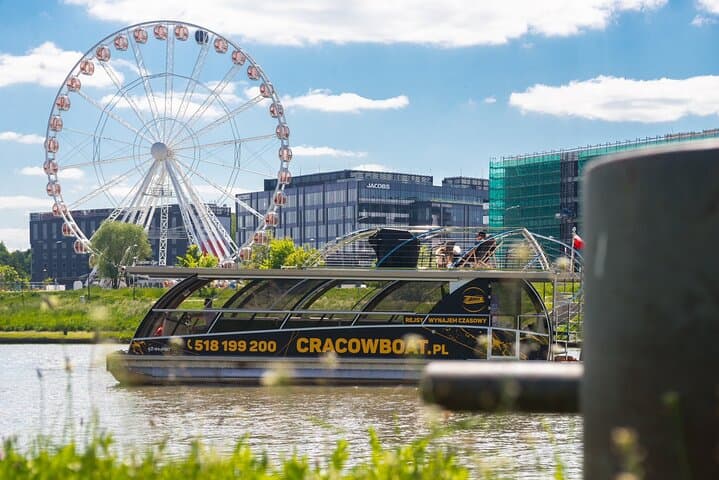
The Vistula nudges the city awake as the catamaran slips away from the quay — river water pressing at the hull, drawing your view to Wawel’s limestone escarpment and the low boulevards where pedestrians pause. For forty minutes the cruise lays Krakow out horizontally: fortresses, modern museum roofs wavy like the river, and the Kościuszko Mound standing like a watchful guardian.
The Vistula nudges the city awake as the catamaran slips away from the quay — river water pressing at the hull, drawing your view to Wawel’s limestone escarpment and the low boulevards where pedestrians pause. For forty minutes the cruise lays Krakow out horizontally: fortresses, modern museum roofs wavy like the river, and the Kościuszko Mound standing like a watchful guardian.
That calm is an overture. The second act is Płaszów: open ground where memory occupies absence. Created in 1942 on former cemetery land, the camp became a forced-labor and later concentration site. Visitors trace the Grey House, the roll-call square, and the Monument of Torn-Out Hearts while an expert guide reconstructs lives from fragments — gravestone pavements, fragments of buildings, and mass graves that mark the terrain.
Geology and city culture intersect here: Jurassic limestone bluffs above the river, medieval powerhouses on Wawel, and industrial corridors that fed wartime factories. The tour balances riverside panoramas with quiet reflection; it’s not spectacle but a paced, contemplative itinerary.
Practical guidance: arrive ten minutes early, bring a single tram ticket provided, and wear comfortable walking shoes for uneven ground. Expect about 2½ hours total; the walking portions are short but emotionally heavy. Respect memorial spaces, keep voices low, and allow time afterward to process what you’ve seen — a café along the Vistula or a bench on the boulevards makes for a quiet regrouping spot.