THE ADVENTURE COLLECTIVE® · Independent discovery and booking for outdoor travel

Experience Kraków’s Old Town with a professional storyteller on a 2.5-hour walk that mixes history, legend and local tips. Perfect for first-time visitors who want context as they tour the city’s main sights.
Experience Kraków’s Old Town with a professional storyteller on a 2.5-hour walk that mixes history, legend and local tips. Perfect for first-time visitors who want context as they tour the city’s main sights.
You step out onto Rynek Główny as church bells count the hour and cobbles cool beneath your shoes. The guide’s voice pulls you forward—part historian, part performer—turning facades and alleys into characters with motives. In two and a half hours you move from the market square’s open glare into shadowed lanes where merchants, scholars and myth collide.
Verified experiences and guided adventures in the surrounding area.
Operated by Discover Poland · Kraków, Lesser Poland Voivodeship
You step out onto Rynek Główny as church bells count the hour and cobbles cool beneath your shoes. The guide’s voice pulls you forward—part historian, part performer—turning facades and alleys into characters with motives. In two and a half hours you move from the market square’s open glare into shadowed lanes where merchants, scholars and myth collide.
Kraków’s Old Town was Poland’s royal center until the 16th century and today the UNESCO-listed core still shows its medieval grid, Renaissance cloth hall and baroque churches. Geologically the city sits on the Vistula’s terraces; the river’s presence shaped trade and defense, and you’ll see how bridges and embankments altered the urban flow. Local culture is present in small ways—bakeries with rye loaves, tram bells, and market vendors at nearby Kleparz.
The storyteller format emphasizes anecdote and context: legends of kings and dragons sit alongside pragmatic notes about architecture, wartime history, and where to grab a quick pierogi. Expect plenty of walking on uneven stone, short pauses for storytelling, and a small-group pace that allows questions.
Practical guidance: wear supportive shoes, bring a light layer (weather in Kraków changes fast), and carry a bottle—there are cafés for breaks but little shade in summer. Start mid-morning to avoid the biggest crowds, and leave time afterward to explore Wawel Hill or the Planty promenades at your own pace.
easy.
2–3 hours.
Suitable for all fitness levels; expect 1.5–3 miles of walking at a relaxed pace
The tour lasts approximately 2.5 hours and covers about 1.5–3 miles on mostly level but cobbled streets.
Yes. The pace is relaxed and the format is family-friendly; let the operator know of mobility concerns when booking.
Guides typically lead in English or Spanish; check booking details for the specific language offered on your date.
Tipping is customary if you enjoyed the performance; small cash tips are common and appreciated.
Kraków was Poland’s royal capital until 1596; Old Town retains a medieval street grid and landmarks like the Cloth Hall and St. Mary’s Basilica.
High visitor numbers affect fragile stone and interiors—stick to marked paths, avoid touching frescoes, and support local businesses to keep tourism sustainable.
Discover Poland operates guided outdoor trips and adventures with an emphasis on safety, stewardship, and memorable experiences.
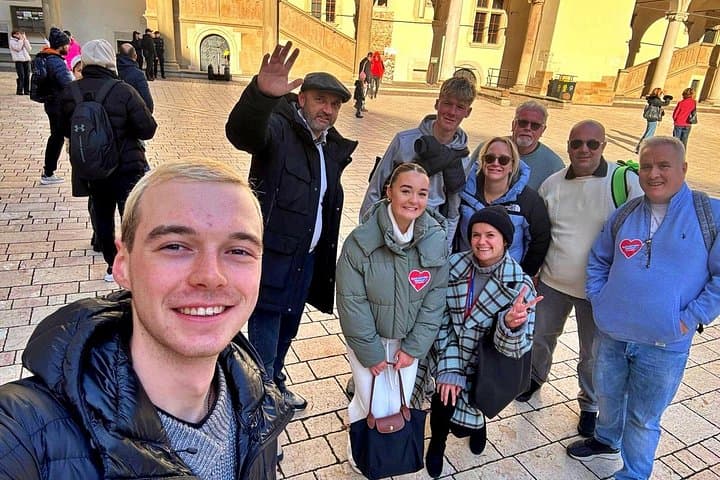
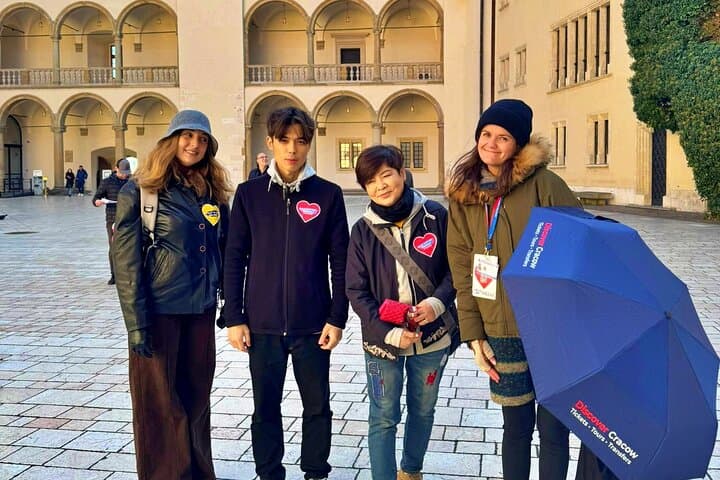
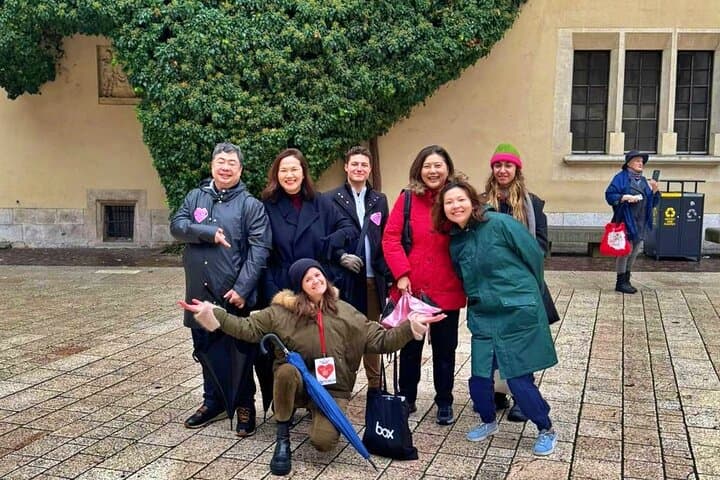
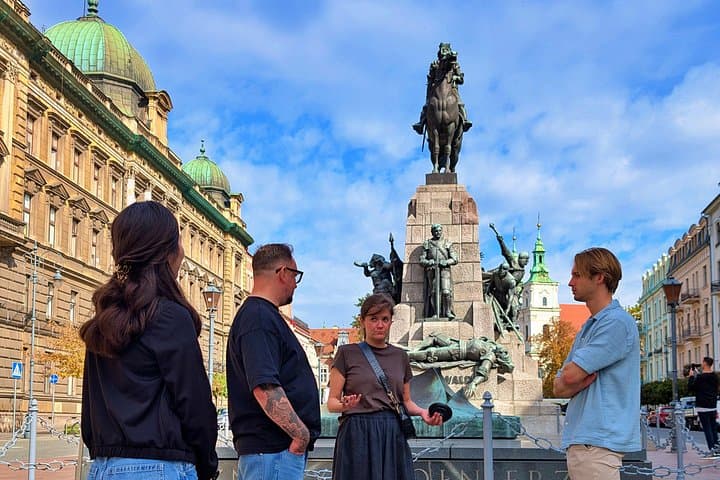
You step out onto Rynek Główny as church bells count the hour and cobbles cool beneath your shoes. The guide’s voice pulls you forward—part historian, part performer—turning facades and alleys into characters with motives. In two and a half hours you move from the market square’s open glare into shadowed lanes where merchants, scholars and myth collide.
You step out onto Rynek Główny as church bells count the hour and cobbles cool beneath your shoes. The guide’s voice pulls you forward—part historian, part performer—turning facades and alleys into characters with motives. In two and a half hours you move from the market square’s open glare into shadowed lanes where merchants, scholars and myth collide.
Kraków’s Old Town was Poland’s royal center until the 16th century and today the UNESCO-listed core still shows its medieval grid, Renaissance cloth hall and baroque churches. Geologically the city sits on the Vistula’s terraces; the river’s presence shaped trade and defense, and you’ll see how bridges and embankments altered the urban flow. Local culture is present in small ways—bakeries with rye loaves, tram bells, and market vendors at nearby Kleparz.
The storyteller format emphasizes anecdote and context: legends of kings and dragons sit alongside pragmatic notes about architecture, wartime history, and where to grab a quick pierogi. Expect plenty of walking on uneven stone, short pauses for storytelling, and a small-group pace that allows questions.
Practical guidance: wear supportive shoes, bring a light layer (weather in Kraków changes fast), and carry a bottle—there are cafés for breaks but little shade in summer. Start mid-morning to avoid the biggest crowds, and leave time afterward to explore Wawel Hill or the Planty promenades at your own pace.