THE ADVENTURE COLLECTIVE® · Independent discovery and booking for outdoor travel

Walk Kraków’s UNESCO-listed Old Town with a local guide: hear the bugle from St. Mary’s, trace merchant routes through the Cloth Hall, and stand beneath Wawel’s ramparts. This focused two-hour tour pairs architectural history with practical tips for getting the most from a compact cityscape.
Walk Kraków’s UNESCO-listed Old Town with a local guide: hear the bugle from St. Mary’s, trace merchant routes through the Cloth Hall, and stand beneath Wawel’s ramparts. This focused two-hour tour pairs architectural history with practical tips for getting the most from a compact cityscape.
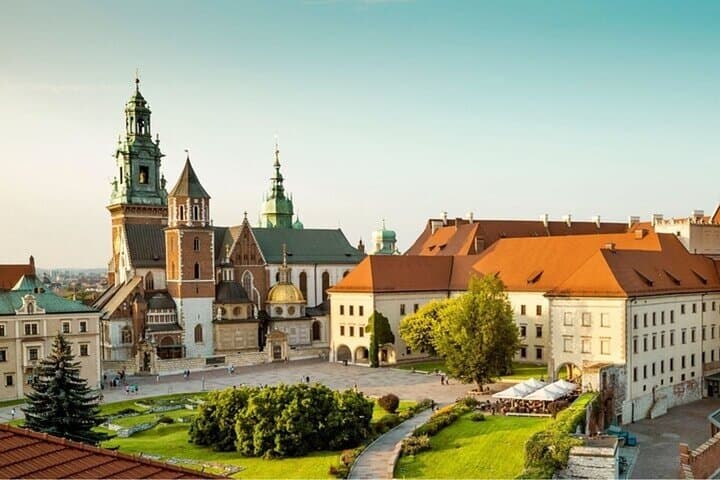
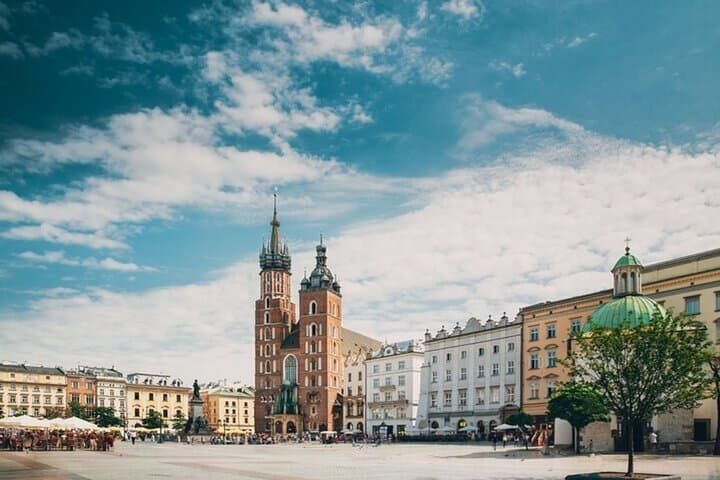
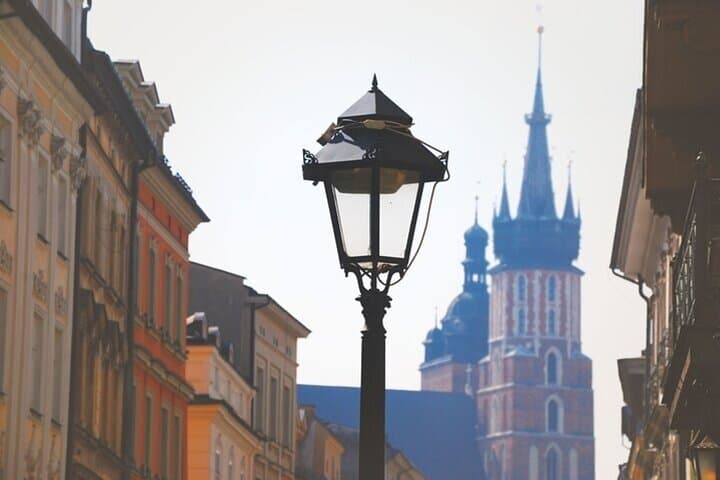
Start on Pijarska Street and feel the cobbles shift beneath your soles as the city opens its story: the horn of St. Mary’s Basilica calls across the square, shopfronts hum, and the silhouette of Wawel Castle anchors the skyline. The guide meets you at Grodzka 21, and for the next two hours the Old Town moves from monument to market as if turning pages in a living chronicle.
Verified experiences and guided adventures in the surrounding area.
Operated by Guydeez · Kraków, Lesser Poland
Start on Pijarska Street and feel the cobbles shift beneath your soles as the city opens its story: the horn of St. Mary’s Basilica calls across the square, shopfronts hum, and the silhouette of Wawel Castle anchors the skyline. The guide meets you at Grodzka 21, and for the next two hours the Old Town moves from monument to market as if turning pages in a living chronicle.
Kraków’s core is medieval planning sliced by trade routes and softened by the Vistula’s slow current at the city’s edge. The Main Square (Rynek Główny) grew into one of Europe’s largest medieval plazas; the Cloth Hall speaks to centuries of commerce, while Wawel preserves the seat of Polish kings. Architecture ranges from Polish Gothic in St. Mary’s to Baroque façades on Ulica Kanonicza; artists like Wyspiański left visible marks in local pavilions and interiors.
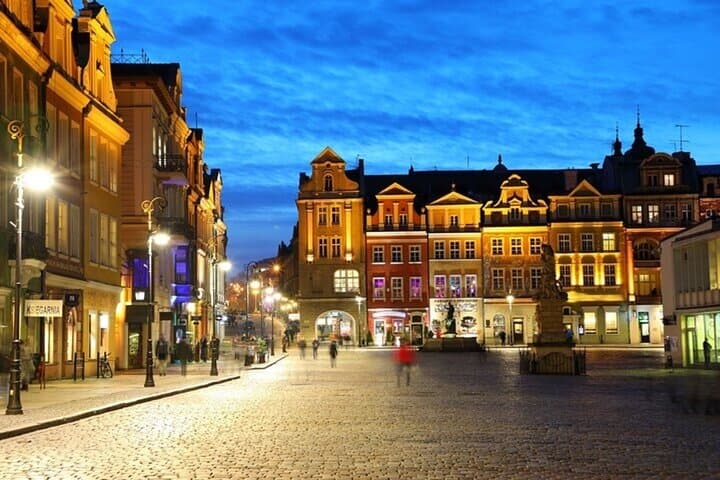
Culturally, the Old Town is civic theater: street musicians claim corners, cafés spill onto the pavement, and small museums hold layers of local memory. Expect readable stop lengths—20 minutes per highlight—so you get context without museum-time. The tour will not include interior admissions unless arranged, but guides can assist with ticketing.
Practical edge: wear sturdy shoes for uneven cobbles, carry a water bottle, and set aside time to explore side streets after the tour. Mornings are cooler and less crowded; late afternoons deliver golden light on the castle walls. Keep a small amount of local currency for market stalls, and be prepared for quick showers—Kraków’s weather can change like a page turn.
easy.
2 hours.
Suitable for most fitness levels; requires continuous standing and walking on uneven cobbles for up to two hours.
The tour begins at Rooms & Apartments Kraków Centrum Grodzka 21; your guide will be waiting outside the entrance or on Pijarska Street.
Standard bookings include exterior visits and commentary; guides can assist with booking tickets to enter Wawel or museums but entry fees are extra unless specified.
Many Old Town streets are accessible and the operator notes wheelchair access, but some historic surfaces and narrow passages may be challenging—contact the guide ahead to confirm routes.
Guides are available in English, Spanish, and French; private tours can be customized for language needs.
Kraków’s Old Town grew from a 13th-century market core; its Main Square and Wawel Hill reflect the city’s role as Poland’s royal and mercantile center for centuries.
High foot traffic requires care—stay on designated paths, avoid touching fragile stonework, and support local conservation by choosing licensed guides and local businesses.
Guydeez operates guided outdoor trips and adventures with an emphasis on safety, stewardship, and memorable experiences.
Start on Pijarska Street and feel the cobbles shift beneath your soles as the city opens its story: the horn of St. Mary’s Basilica calls across the square, shopfronts hum, and the silhouette of Wawel Castle anchors the skyline. The guide meets you at Grodzka 21, and for the next two hours the Old Town moves from monument to market as if turning pages in a living chronicle.
Start on Pijarska Street and feel the cobbles shift beneath your soles as the city opens its story: the horn of St. Mary’s Basilica calls across the square, shopfronts hum, and the silhouette of Wawel Castle anchors the skyline. The guide meets you at Grodzka 21, and for the next two hours the Old Town moves from monument to market as if turning pages in a living chronicle.
Kraków’s core is medieval planning sliced by trade routes and softened by the Vistula’s slow current at the city’s edge. The Main Square (Rynek Główny) grew into one of Europe’s largest medieval plazas; the Cloth Hall speaks to centuries of commerce, while Wawel preserves the seat of Polish kings. Architecture ranges from Polish Gothic in St. Mary’s to Baroque façades on Ulica Kanonicza; artists like Wyspiański left visible marks in local pavilions and interiors.
Culturally, the Old Town is civic theater: street musicians claim corners, cafés spill onto the pavement, and small museums hold layers of local memory. Expect readable stop lengths—20 minutes per highlight—so you get context without museum-time. The tour will not include interior admissions unless arranged, but guides can assist with ticketing.
Practical edge: wear sturdy shoes for uneven cobbles, carry a water bottle, and set aside time to explore side streets after the tour. Mornings are cooler and less crowded; late afternoons deliver golden light on the castle walls. Keep a small amount of local currency for market stalls, and be prepared for quick showers—Kraków’s weather can change like a page turn.