THE ADVENTURE COLLECTIVE® · Independent discovery and booking for outdoor travel

Walk Kazimierz with a private guide to trace Kraków’s Jewish history from the Old Synagogue to Ghetto Heroes Square. This two-hour tour pairs architectural detail with wartime memory and contemporary cultural renewal.
Walk Kazimierz with a private guide to trace Kraków’s Jewish history from the Old Synagogue to Ghetto Heroes Square. This two-hour tour pairs architectural detail with wartime memory and contemporary cultural renewal.
The cobblestones of Kazimierz set a steady rhythm underfoot as a private guide leads you from the open bustle of Szeroka Square into lanes that keep their history close. Light filters between narrow tenements; the scent of fresh bread from a nearby bakery mingles with the weight of memory in the courtyards and synagogues you pass.
Verified experiences and guided adventures in the surrounding area.
Operated by Guydeez · Kraków, Lesser Poland Voivodeship
The cobblestones of Kazimierz set a steady rhythm underfoot as a private guide leads you from the open bustle of Szeroka Square into lanes that keep their history close. Light filters between narrow tenements; the scent of fresh bread from a nearby bakery mingles with the weight of memory in the courtyards and synagogues you pass.
This two-hour route threads together Kraków’s Jewish story: the 15th-century Old Synagogue’s Gothic lines, the Remuh Synagogue and cemetery reflecting Renaissance-era religious life, the Pharmacy Under the Eagle that sheltered people in wartime, and the somber Ghetto Heroes Square marking resistance during Nazi occupation. Geologically, the district sits on a flat Vistula floodplain—easy walking with cobbled surfaces that can be uneven after rain.
Kazimierz was a distinct municipality in the Middle Ages and evolved into the city’s Jewish heart until WWII; its post-war revival layered contemporary cafés and galleries atop relics of the past. A knowledgeable guide connects architecture, personal stories, and cinema references (Schindler’s List) while parsing how urban renewal has reshaped memory and daily life.
Practical notes: the tour is physically easy and wheelchair-accessible, covering roughly 1.5–2 km at a relaxed pace. Mornings are quieter for reflective sites; late afternoons suit cafe stops. Wear supportive shoes for cobbles, bring water, and follow your guide’s directions around memorial sites. Photography is usually allowed in public spaces but exercise sensitivity at memorials and inside active houses of worship.
easy.
2 hours.
Suitable for most fitness levels; light walking over flat but uneven cobbles.
No; this private walking tour includes guide services and stops outside sites—entrance fees to museums or synagogues are typically paid separately when required.
Yes. The operator lists wheelchair-accessible routes and surfaces; notify them when booking so the guide can tailor the path.
Guides are available in English, Spanish, and French according to the tour listing; confirm language when booking.
Full refunds are available if you cancel at least 24 hours before departure; cancellations within 24 hours are non-refundable.
Kazimierz was established as a separate borough in the 14th century and became Kraków’s primary Jewish quarter from the 16th century until WWII, with a vigorous post-war cultural revival.
Respect for memorials and historic sites is essential; support local museums and follow posted rules to help preserve fragile artifacts and cobbled streets.
Guydeez operates guided outdoor trips and adventures with an emphasis on safety, stewardship, and memorable experiences.
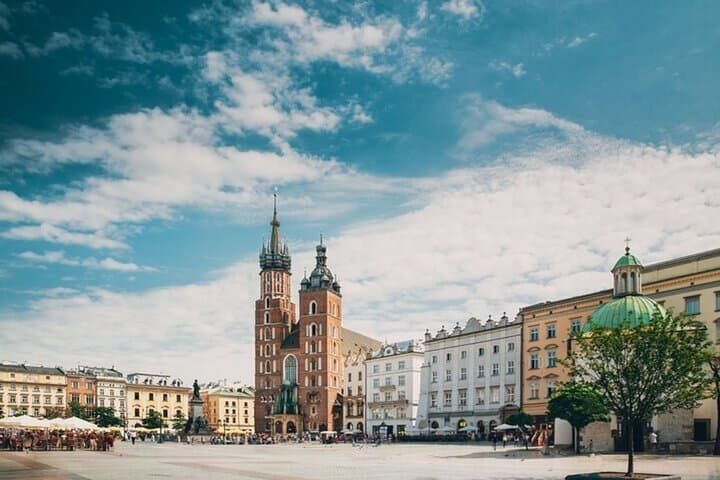
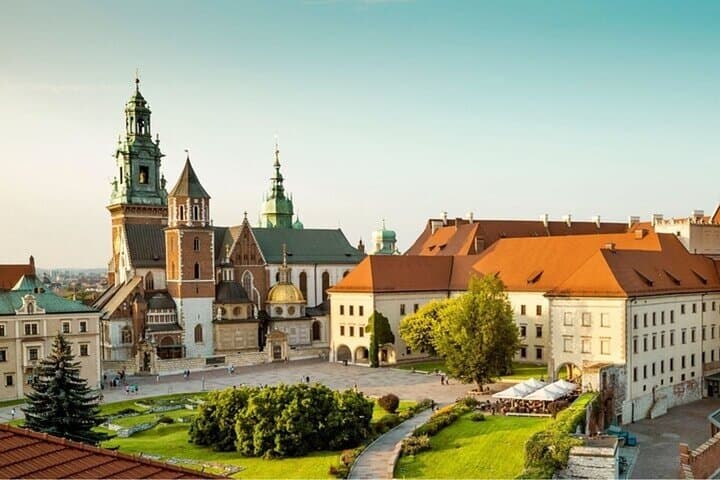
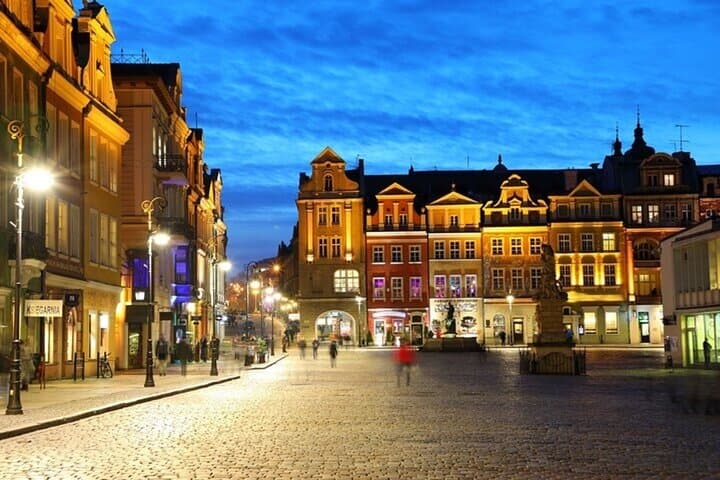
The cobblestones of Kazimierz set a steady rhythm underfoot as a private guide leads you from the open bustle of Szeroka Square into lanes that keep their history close. Light filters between narrow tenements; the scent of fresh bread from a nearby bakery mingles with the weight of memory in the courtyards and synagogues you pass.
The cobblestones of Kazimierz set a steady rhythm underfoot as a private guide leads you from the open bustle of Szeroka Square into lanes that keep their history close. Light filters between narrow tenements; the scent of fresh bread from a nearby bakery mingles with the weight of memory in the courtyards and synagogues you pass.
This two-hour route threads together Kraków’s Jewish story: the 15th-century Old Synagogue’s Gothic lines, the Remuh Synagogue and cemetery reflecting Renaissance-era religious life, the Pharmacy Under the Eagle that sheltered people in wartime, and the somber Ghetto Heroes Square marking resistance during Nazi occupation. Geologically, the district sits on a flat Vistula floodplain—easy walking with cobbled surfaces that can be uneven after rain.
Kazimierz was a distinct municipality in the Middle Ages and evolved into the city’s Jewish heart until WWII; its post-war revival layered contemporary cafés and galleries atop relics of the past. A knowledgeable guide connects architecture, personal stories, and cinema references (Schindler’s List) while parsing how urban renewal has reshaped memory and daily life.
Practical notes: the tour is physically easy and wheelchair-accessible, covering roughly 1.5–2 km at a relaxed pace. Mornings are quieter for reflective sites; late afternoons suit cafe stops. Wear supportive shoes for cobbles, bring water, and follow your guide’s directions around memorial sites. Photography is usually allowed in public spaces but exercise sensitivity at memorials and inside active houses of worship.