THE ADVENTURE COLLECTIVE® · Independent discovery and booking for outdoor travel

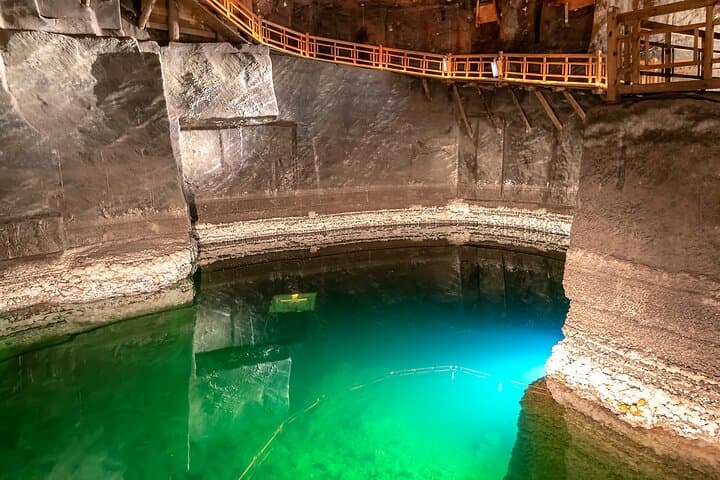
Descend into an underground world of crystalline chambers and carved chapels on a guided tour of the Wieliczka Salt Mine. Learn centuries of mining history, geology, and local tradition while navigating carved halls and brine pools.
Descend into an underground world of crystalline chambers and carved chapels on a guided tour of the Wieliczka Salt Mine. Learn centuries of mining history, geology, and local tradition while navigating carved halls and brine pools.
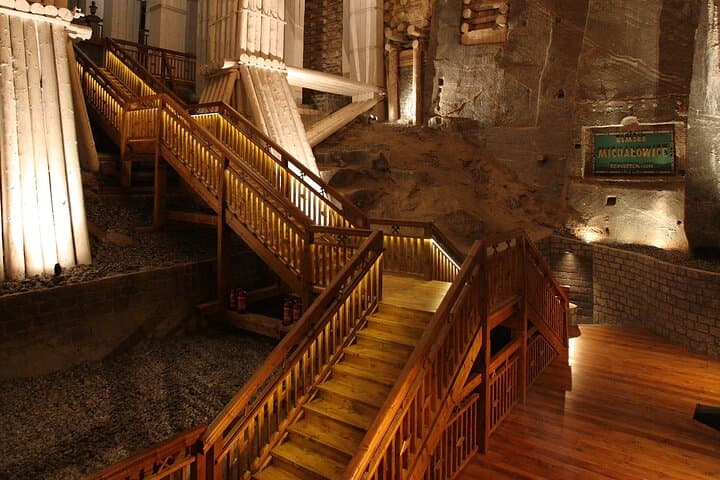
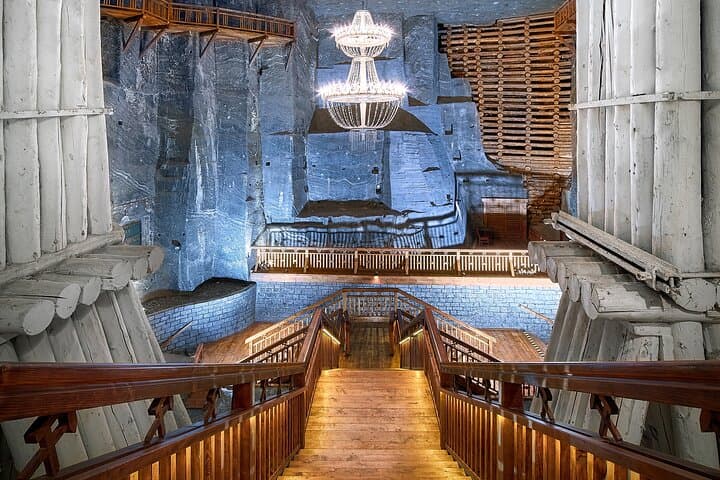
You step down a cool shaft and the air changes—drier, mineral-heavy, carrying the faint echo of centuries of footsteps. Low-lit corridors of pale salt open into carved chambers; chandeliers glitter with crystalline salt instead of glass. The Wieliczka Salt Mine feels like an underground city carved from the very commodity that built it.
Verified experiences and guided adventures in the surrounding area.
Operated by AT Cracow · Wieliczka, Lesser Poland Voivodeship
You step down a cool shaft and the air changes—drier, mineral-heavy, carrying the faint echo of centuries of footsteps. Low-lit corridors of pale salt open into carved chambers; chandeliers glitter with crystalline salt instead of glass. The Wieliczka Salt Mine feels like an underground city carved from the very commodity that built it.
Salt mining at Wieliczka dates to the Middle Ages. Over more than seven centuries miners dug levels and chapels from halite beds laid down in a prehistoric sea; today their work is both industrial heritage and protected UNESCO site. Geologically the mine is an extensive evaporite deposit—compacted salt with interbedded clays and anastomosing galleries that create dramatic caverns, brine pools and relief-carved altars like the Chapel of St. Kinga.
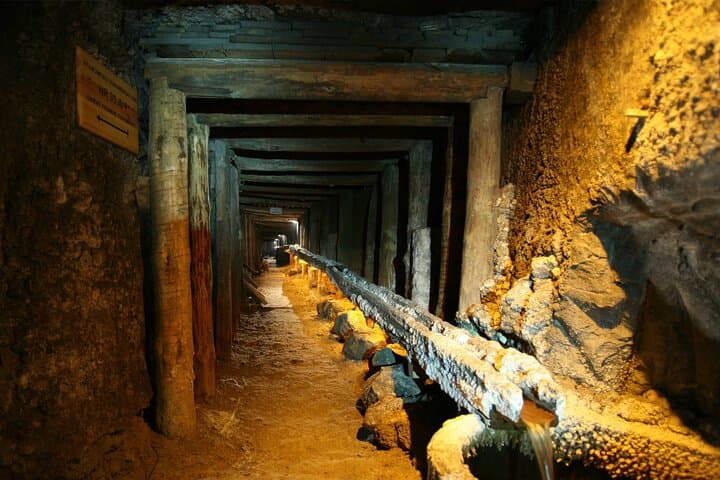
Culturally the mine shaped local life: miner guild traditions, religious art carved into salt, and Kraków’s economy all tied to its seams. Guides frame stories of tools, transport methods and the human cost of extraction while pointing out engineering solutions—timber supports, drainage galleries and ventilation shafts—that kept the mine functional.
Practically, expect walking on stone and carved steps—around 800 steps if you explore deeply—cool temperatures (~14°C/57°F) and stretches of low headroom. Tours last about four hours including travel time; wear sturdy closed shoes and layers. Photography is allowed in many chambers but avoid flash in sensitive spaces. Listen to the guide and follow marked routes—this is an active heritage site where preservation matters. The mine rewards attention: small relics, glossy salt walls, and the surprising hush that only an underground world can hold.
easy.
4 hours.
Moderate: able to walk and stand for extended periods and manage flights of stairs; not suitable for people with serious mobility or spine issues.
The guided tour portion in the mine is roughly 2.5 hours; total booking time including transport and transitions is about 4 hours.
No—the historic passages include many stairs and narrow corridors, making the standard route unsuitable for wheelchairs or those with limited mobility.
Photography is permitted in many chambers but follow guide instructions; avoid flash in sensitive areas and do not touch salt carvings.
Yes, but parents should note the stairs, low ceilings in places, and the need to supervise children closely; check age restrictions with the operator.
Wieliczka has been mined since at least the 13th century; its salt financed regional trade and funded churches in Kraków over centuries.
Strict preservation rules control visitor routes, photography and touching to limit salting and erosion; the site operates as a cultural monument with active conservation protocols.
AT Cracow operates guided outdoor trips and adventures with an emphasis on safety, stewardship, and memorable experiences.
You step down a cool shaft and the air changes—drier, mineral-heavy, carrying the faint echo of centuries of footsteps. Low-lit corridors of pale salt open into carved chambers; chandeliers glitter with crystalline salt instead of glass. The Wieliczka Salt Mine feels like an underground city carved from the very commodity that built it.
You step down a cool shaft and the air changes—drier, mineral-heavy, carrying the faint echo of centuries of footsteps. Low-lit corridors of pale salt open into carved chambers; chandeliers glitter with crystalline salt instead of glass. The Wieliczka Salt Mine feels like an underground city carved from the very commodity that built it.
Salt mining at Wieliczka dates to the Middle Ages. Over more than seven centuries miners dug levels and chapels from halite beds laid down in a prehistoric sea; today their work is both industrial heritage and protected UNESCO site. Geologically the mine is an extensive evaporite deposit—compacted salt with interbedded clays and anastomosing galleries that create dramatic caverns, brine pools and relief-carved altars like the Chapel of St. Kinga.
Culturally the mine shaped local life: miner guild traditions, religious art carved into salt, and Kraków’s economy all tied to its seams. Guides frame stories of tools, transport methods and the human cost of extraction while pointing out engineering solutions—timber supports, drainage galleries and ventilation shafts—that kept the mine functional.
Practically, expect walking on stone and carved steps—around 800 steps if you explore deeply—cool temperatures (~14°C/57°F) and stretches of low headroom. Tours last about four hours including travel time; wear sturdy closed shoes and layers. Photography is allowed in many chambers but avoid flash in sensitive spaces. Listen to the guide and follow marked routes—this is an active heritage site where preservation matters. The mine rewards attention: small relics, glossy salt walls, and the surprising hush that only an underground world can hold.