THE ADVENTURE COLLECTIVE® · Independent discovery and booking for outdoor travel

Glide through Kraków’s Kazimierz and Podgórze in an electric buggy on a 90-minute, wheelchair-accessible tour that combines medieval streets, synagogues and WWII sites. Ideal for anyone wanting a compact, low-impact orientation to the city’s history and neighborhoods.
Glide through Kraków’s Kazimierz and Podgórze in an electric buggy on a 90-minute, wheelchair-accessible tour that combines medieval streets, synagogues and WWII sites. Ideal for anyone wanting a compact, low-impact orientation to the city’s history and neighborhoods.
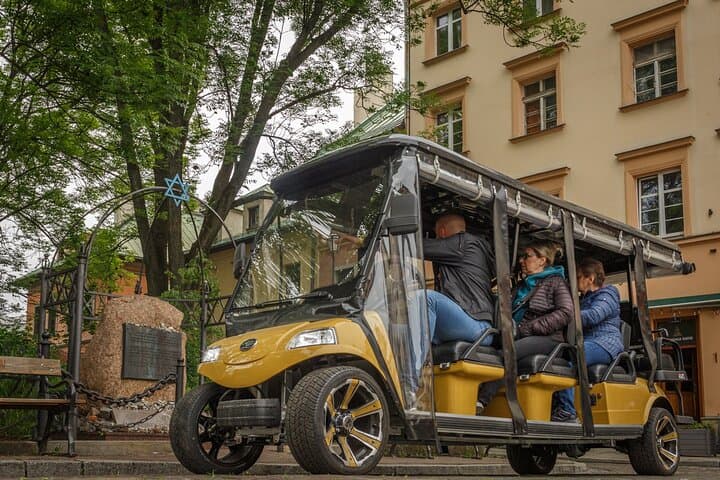
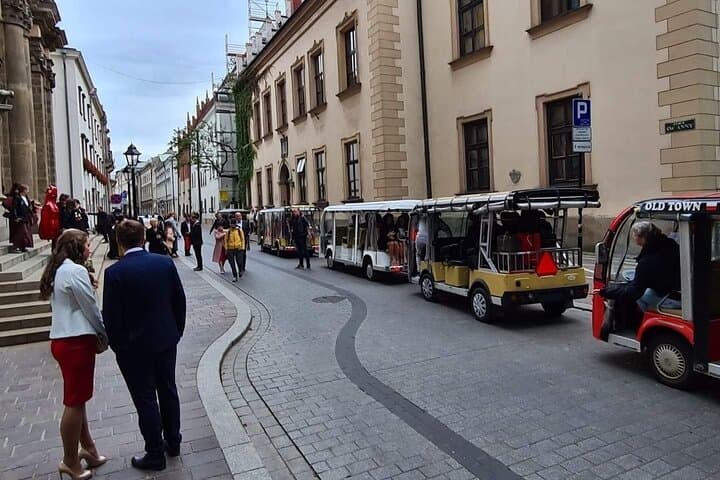
The buggy hums to life and you glide off Planty Park, the circle of green giving way to narrow cobbles and façades that still wear the city’s medieval geometry. Street corners in Kazimierz lean in like old friends — synagogues, small squares and shopfronts that remember markets from the 14th century. Across the river the Podgórze quarter keeps a quieter cadence: the ghost-line of the old ghetto and the Pharmacy under the Eagle sit beside Schindler’s enamel factory, each site a pause that reshapes the ride.
Verified experiences and guided adventures in the surrounding area.
Operated by citytourkrakow.com · Kraków, Lesser Poland
The buggy hums to life and you glide off Planty Park, the circle of green giving way to narrow cobbles and façades that still wear the city’s medieval geometry. Street corners in Kazimierz lean in like old friends — synagogues, small squares and shopfronts that remember markets from the 14th century. Across the river the Podgórze quarter keeps a quieter cadence: the ghost-line of the old ghetto and the Pharmacy under the Eagle sit beside Schindler’s enamel factory, each site a pause that reshapes the ride.
Kraków is layered history. Kazimierz was formally established for the Jewish community in the late 15th century and later became a cultural hub; Podgórze contains the wartime ghetto imprint and post-industrial streets that host museums and memorials. Architecturally the route mixes Gothic church towers, 17th-century synagogues, and 19th-century squares; geology is subtle here — the Vistula’s floodplain shaped trade routes and city growth.
Practically: the tour is 90 minutes, runs in English, and uses low-speed electric buggies suited to cobbles and pedestrian streets; it’s wheelchair accessible and photo-friendly. Arrive on time to maximize stops at Tempel, Remuh and the Ghetto Heroes Square. Weather affects comfort more than access — bring layers, a rain shell, and respectful footwear for short on-foot moments.
This tour is best for travelers who want a fast, low-impact way to orient themselves to Kraków’s complex past and lived-in present without long walks, while leaving room for deeper visits later.
easy.
90 minutes.
Suitable for most fitness levels; minimal walking required but expect short on-foot segments over cobbles.
The tour runs approximately 90 minutes and is conducted in English with a live English-speaking driver/guide.
Yes — the buggies and surfaces used on this route are wheelchair accessible; check with the operator about specific boarding assistance needs.
Yes — the tour includes short stops for photos and to visit key points like synagogues and memorial squares, but most time is spent in the buggy.
Full refund is available if you cancel at least 24 hours before the scheduled departure time; check your booking confirmation for details.
Kazimierz was established as a separate Jewish district in the late 15th century and later became a center of Jewish religious and cultural life; Podgórze was the site of the WWII Kraków ghetto.
The electric buggy tour is a low-emission way to see the city; visitors are encouraged to stay on paved paths, avoid littering, and respect memorial sites to reduce impact.
citytourkrakow.com operates guided outdoor trips and adventures with an emphasis on safety, stewardship, and memorable experiences.


The buggy hums to life and you glide off Planty Park, the circle of green giving way to narrow cobbles and façades that still wear the city’s medieval geometry. Street corners in Kazimierz lean in like old friends — synagogues, small squares and shopfronts that remember markets from the 14th century. Across the river the Podgórze quarter keeps a quieter cadence: the ghost-line of the old ghetto and the Pharmacy under the Eagle sit beside Schindler’s enamel factory, each site a pause that reshapes the ride.
The buggy hums to life and you glide off Planty Park, the circle of green giving way to narrow cobbles and façades that still wear the city’s medieval geometry. Street corners in Kazimierz lean in like old friends — synagogues, small squares and shopfronts that remember markets from the 14th century. Across the river the Podgórze quarter keeps a quieter cadence: the ghost-line of the old ghetto and the Pharmacy under the Eagle sit beside Schindler’s enamel factory, each site a pause that reshapes the ride.
Kraków is layered history. Kazimierz was formally established for the Jewish community in the late 15th century and later became a cultural hub; Podgórze contains the wartime ghetto imprint and post-industrial streets that host museums and memorials. Architecturally the route mixes Gothic church towers, 17th-century synagogues, and 19th-century squares; geology is subtle here — the Vistula’s floodplain shaped trade routes and city growth.
Practically: the tour is 90 minutes, runs in English, and uses low-speed electric buggies suited to cobbles and pedestrian streets; it’s wheelchair accessible and photo-friendly. Arrive on time to maximize stops at Tempel, Remuh and the Ghetto Heroes Square. Weather affects comfort more than access — bring layers, a rain shell, and respectful footwear for short on-foot moments.
This tour is best for travelers who want a fast, low-impact way to orient themselves to Kraków’s complex past and lived-in present without long walks, while leaving room for deeper visits later.