THE ADVENTURE COLLECTIVE® · Independent discovery and booking for outdoor travel

See Kraków’s medieval heart on two wheels: a relaxed, 12 km small-group ride from the Main Market Square through Planty, Kazimierz and riverside streets. Expect 24 stops, local stories, and practical tips to make the most of four hours in the city.
See Kraków’s medieval heart on two wheels: a relaxed, 12 km small-group ride from the Main Market Square through Planty, Kazimierz and riverside streets. Expect 24 stops, local stories, and practical tips to make the most of four hours in the city.
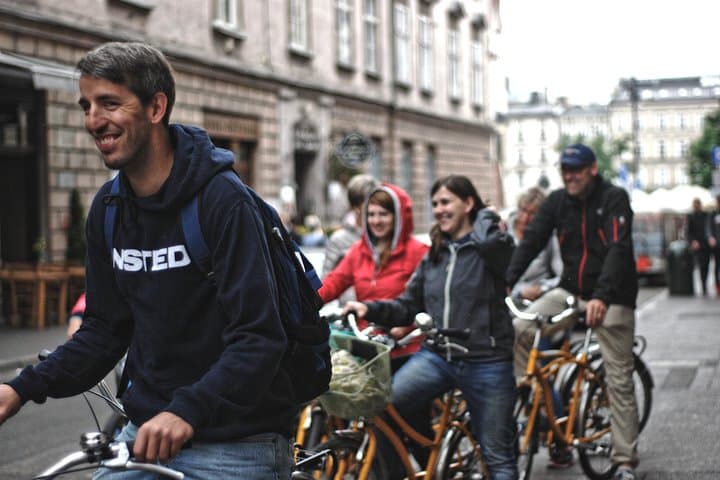
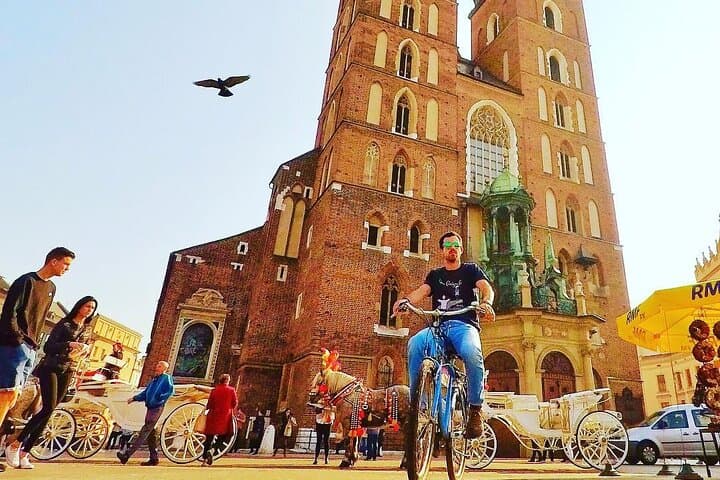
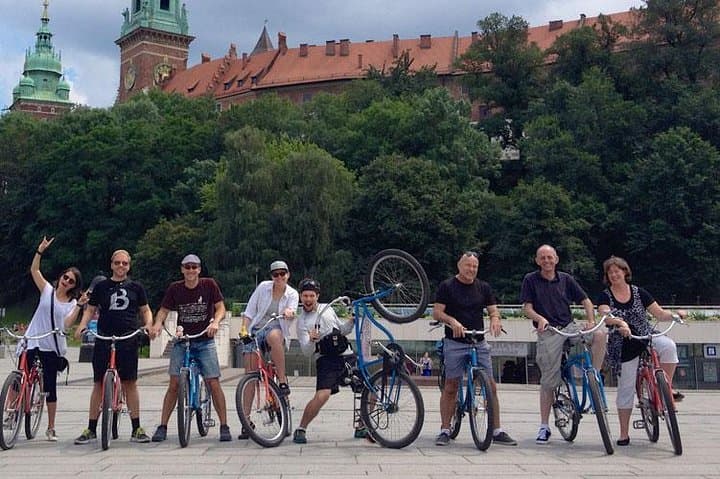
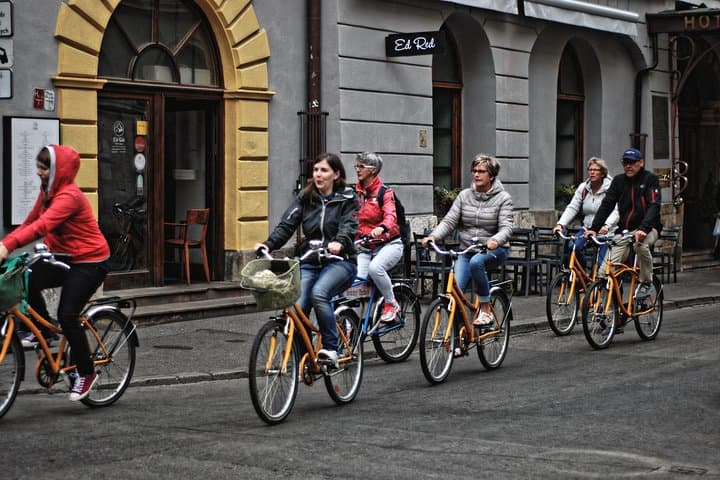
You start in the heartbeat of Kraków: the Main Market Square, where cobblestones hold the footfalls of merchants and the clock face of St. Mary’s watches the flow of the city. A Beachcruiser is fitted to you, and the guide leads the small group out through the green ribbon of the Planty, letting the city open in chapters—medieval walls giving way to university courtyards, Jewish streets thick with story, and riverbank views of the Vistula daring you to look downstream.
Verified experiences and guided adventures in the surrounding area.
Operated by Cruising Krakow Bike Tours · Kraków, Lesser Poland Voivodeship
You start in the heartbeat of Kraków: the Main Market Square, where cobblestones hold the footfalls of merchants and the clock face of St. Mary’s watches the flow of the city. A Beachcruiser is fitted to you, and the guide leads the small group out through the green ribbon of the Planty, letting the city open in chapters—medieval walls giving way to university courtyards, Jewish streets thick with story, and riverbank views of the Vistula daring you to look downstream.
Kraków’s story stretches back to early medieval settlement and was Poland’s capital for centuries; the city’s built fabric—Renaissance courtyards, Baroque façades, Gothic towers—reflects layers of trade, scholarship (Jagiellonian University), and difficult twentieth-century history, especially in Kazimierz and Podgórze.
Geologically, the city sits on river terraces of the Vistula at the northern edge of the Carpathian foothills, which explains the gentle, mostly flat streets ideal for cycling. Culture here is tactile—open-air markets, local bakeries, and a café scene shaped by student life.
Practical guidance: expect a comfortable 12 km loop, 24 short stops, and about four hours including a lunch break. Terrain is urban and primarily flat; modest traffic and cobbles require attention. Bring a filled water bottle, wear closed-toe shoes, and layer for sudden showers—the operator supplies rain ponchos if needed. Start in the morning to avoid peak crowds and to get cooler light for photos. The pace is designed for mixed fitness; guides provide context at each stop so you can plan deeper visits after the tour.
easy.
4 hours.
Suitable for casual cyclists and most fitness levels; you should be comfortable riding 12 km at a gentle pace.
The meeting point is Kraków’s Main Market Square (Rynek Główny); the guide will confirm an exact spot when you book.
Yes—bikes are suitable for children over roughly 128 cm tall; infant seats are available on request.
Helmets may be available—check with the operator before your tour if you require one, as offerings can vary.
Full refunds are available if you cancel at least 24 hours before departure; the operator cancels in bad weather or for low bookings.
Kraków was Poland’s royal capital until 1596 and grew as a medieval trade and academic center; the Jagiellonian University dates to the 14th century.
Stay on marked streets and bike lanes, avoid leaning bikes against historic façades, and support local cafés and guides to keep tourism sustainable.
Cruising Krakow Bike Tours operates guided outdoor trips and adventures with an emphasis on safety, stewardship, and memorable experiences.
You start in the heartbeat of Kraków: the Main Market Square, where cobblestones hold the footfalls of merchants and the clock face of St. Mary’s watches the flow of the city. A Beachcruiser is fitted to you, and the guide leads the small group out through the green ribbon of the Planty, letting the city open in chapters—medieval walls giving way to university courtyards, Jewish streets thick with story, and riverbank views of the Vistula daring you to look downstream.
You start in the heartbeat of Kraków: the Main Market Square, where cobblestones hold the footfalls of merchants and the clock face of St. Mary’s watches the flow of the city. A Beachcruiser is fitted to you, and the guide leads the small group out through the green ribbon of the Planty, letting the city open in chapters—medieval walls giving way to university courtyards, Jewish streets thick with story, and riverbank views of the Vistula daring you to look downstream.
Kraków’s story stretches back to early medieval settlement and was Poland’s capital for centuries; the city’s built fabric—Renaissance courtyards, Baroque façades, Gothic towers—reflects layers of trade, scholarship (Jagiellonian University), and difficult twentieth-century history, especially in Kazimierz and Podgórze.
Geologically, the city sits on river terraces of the Vistula at the northern edge of the Carpathian foothills, which explains the gentle, mostly flat streets ideal for cycling. Culture here is tactile—open-air markets, local bakeries, and a café scene shaped by student life.
Practical guidance: expect a comfortable 12 km loop, 24 short stops, and about four hours including a lunch break. Terrain is urban and primarily flat; modest traffic and cobbles require attention. Bring a filled water bottle, wear closed-toe shoes, and layer for sudden showers—the operator supplies rain ponchos if needed. Start in the morning to avoid peak crowds and to get cooler light for photos. The pace is designed for mixed fitness; guides provide context at each stop so you can plan deeper visits after the tour.