THE ADVENTURE COLLECTIVE® · Independent discovery and booking for outdoor travel

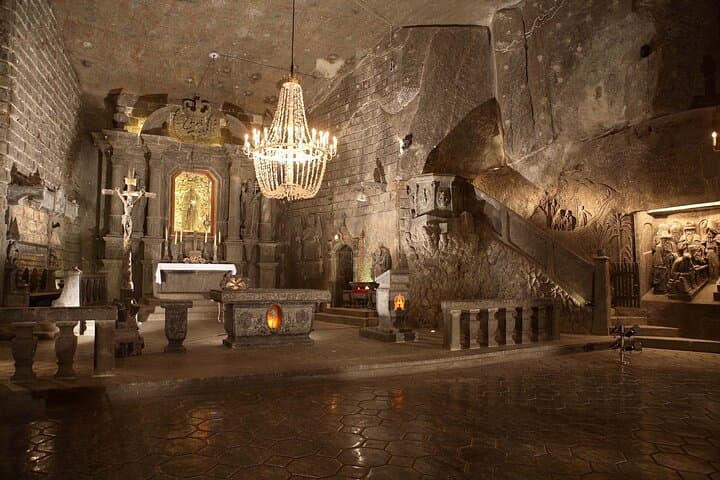
Descend 135 meters beneath the outskirts of Kraków to explore the UNESCO-listed Wieliczka Salt Mine. This guided tour with hotel pickup pairs underground spectacle—the Chapel of St. Kinga and salt-carved sculptures—with practical logistics like skip-the-line entry and English-speaking guides.
Descend 135 meters beneath the outskirts of Kraków to explore the UNESCO-listed Wieliczka Salt Mine. This guided tour with hotel pickup pairs underground spectacle—the Chapel of St. Kinga and salt-carved sculptures—with practical logistics like skip-the-line entry and English-speaking guides.
You step off the minibus and a cool, mineral air draws you toward a gaping shaft—stone stairs folding down into dim light. The first steps are deliberate: the surface world recedes as carved galleries and salt columns take shape, and the guide’s lamp reveals chandeliers glittering like crystallized coral.
Verified experiences and guided adventures in the surrounding area.
Operated by Discover Poland · Wieliczka, Lesser Poland
You step off the minibus and a cool, mineral air draws you toward a gaping shaft—stone stairs folding down into dim light. The first steps are deliberate: the surface world recedes as carved galleries and salt columns take shape, and the guide’s lamp reveals chandeliers glittering like crystallized coral.
Wieliczka’s workings began in the 13th century and expanded over centuries into an underground town of chapels, tunnels and sculptures cut from halite. Geologically, the mine exposes rock-salt layers deposited by an ancient sea; miners sculpted the raw salt into reliefs, staircases and the remarkable Chapel of St. Kinga—every wall and altar hand-carved from salt. Culturally, the site reflects Poland’s industrial heritage: mining tools and votive shrines speak to the trade’s social role and spiritual practices.
Expect about 800 stairs and a descent near 135 meters; the subterranean temperature sits around 17–18°C year-round, so a light jacket is necessary. The full experience lasts roughly 4–5 hours with about three hours underground, plus transport from Krakow (≈45 minutes each way). The guided visit is paced and accessible for most visitors, but those with cardiovascular issues or mobility limitations should plan accordingly—many passages are uneven and stair-heavy.
Practical tips: wear sturdy, closed shoes, carry water in a small bottle, and bring a camera with in-body stabilization or higher ISO capability for low light. Listen to the guide’s safety brief, respect low-ceiling passages, and leave time at the end for the gift shop and a coffee before the return to Krakow.
moderate.
4–5 hours.
Suitable for generally fit travelers comfortable with stairs; stair endurance and basic mobility required.
The main tourist route reaches about 135 meters below ground and involves roughly 800 steps between levels.
Most of the standard route includes many stairs and narrow passages, so accessibility is limited; contact the operator for specific assistance options.
The mine maintains a steady 17–18°C year-round—bring a light jacket even on hot days.
Yes, the tour includes skip-the-line admission and a licensed English-speaking guide as part of the booking.
Wieliczka has been mined since the 13th century and grew into an underground complex where both industrial and religious life intersected—miners left chapels, carvings and votive offerings throughout the galleries.
The site is managed to protect delicate salt sculptures and maintain microclimate stability; visitors should avoid touching carved surfaces and follow established trails to minimize erosion.
Discover Poland operates guided outdoor trips and adventures with an emphasis on safety, stewardship, and memorable experiences.
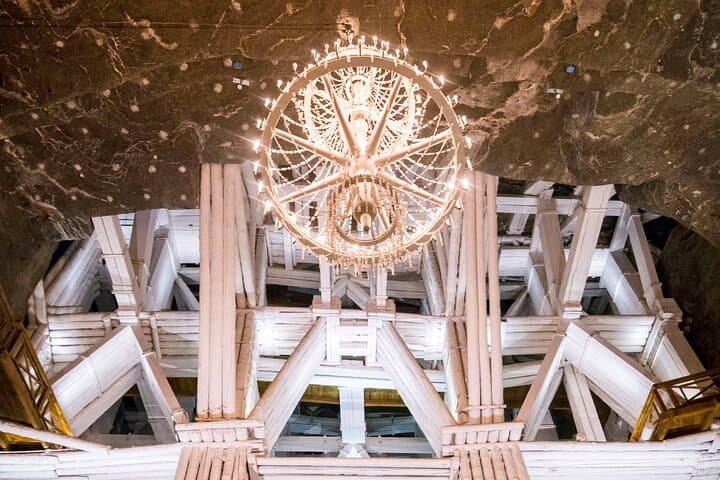
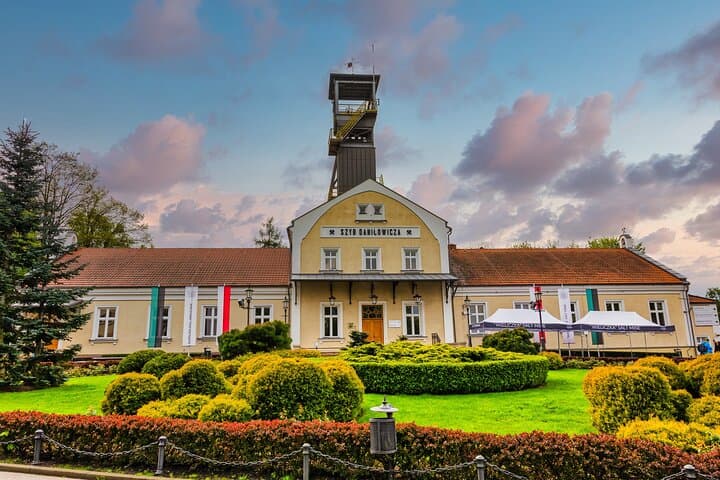
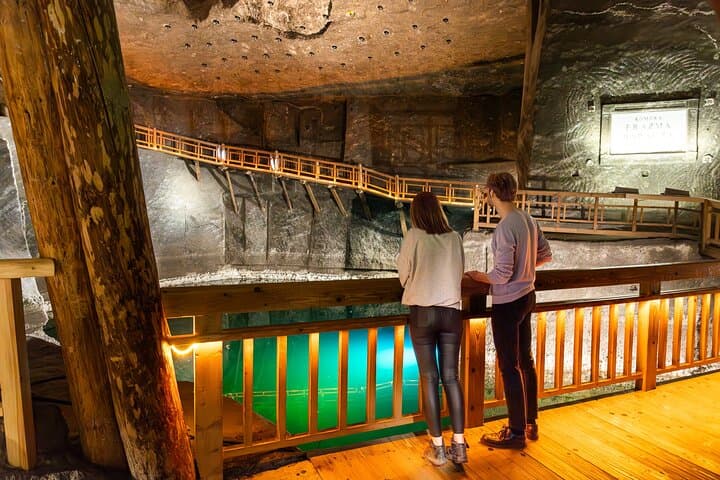
You step off the minibus and a cool, mineral air draws you toward a gaping shaft—stone stairs folding down into dim light. The first steps are deliberate: the surface world recedes as carved galleries and salt columns take shape, and the guide’s lamp reveals chandeliers glittering like crystallized coral.
You step off the minibus and a cool, mineral air draws you toward a gaping shaft—stone stairs folding down into dim light. The first steps are deliberate: the surface world recedes as carved galleries and salt columns take shape, and the guide’s lamp reveals chandeliers glittering like crystallized coral.
Wieliczka’s workings began in the 13th century and expanded over centuries into an underground town of chapels, tunnels and sculptures cut from halite. Geologically, the mine exposes rock-salt layers deposited by an ancient sea; miners sculpted the raw salt into reliefs, staircases and the remarkable Chapel of St. Kinga—every wall and altar hand-carved from salt. Culturally, the site reflects Poland’s industrial heritage: mining tools and votive shrines speak to the trade’s social role and spiritual practices.
Expect about 800 stairs and a descent near 135 meters; the subterranean temperature sits around 17–18°C year-round, so a light jacket is necessary. The full experience lasts roughly 4–5 hours with about three hours underground, plus transport from Krakow (≈45 minutes each way). The guided visit is paced and accessible for most visitors, but those with cardiovascular issues or mobility limitations should plan accordingly—many passages are uneven and stair-heavy.
Practical tips: wear sturdy, closed shoes, carry water in a small bottle, and bring a camera with in-body stabilization or higher ISO capability for low light. Listen to the guide’s safety brief, respect low-ceiling passages, and leave time at the end for the gift shop and a coffee before the return to Krakow.