THE ADVENTURE COLLECTIVE® · Independent discovery and booking for outdoor travel

Spend a half-day observing elephants in a welfare-focused sanctuary near Krabi. This experience blends gentle jungle walks, cultural context about Thailand’s relationship with elephants, and a fresh Thai buffet—ideal for travelers seeking an ethical close-up.
Spend a half-day observing elephants in a welfare-focused sanctuary near Krabi. This experience blends gentle jungle walks, cultural context about Thailand’s relationship with elephants, and a fresh Thai buffet—ideal for travelers seeking an ethical close-up.
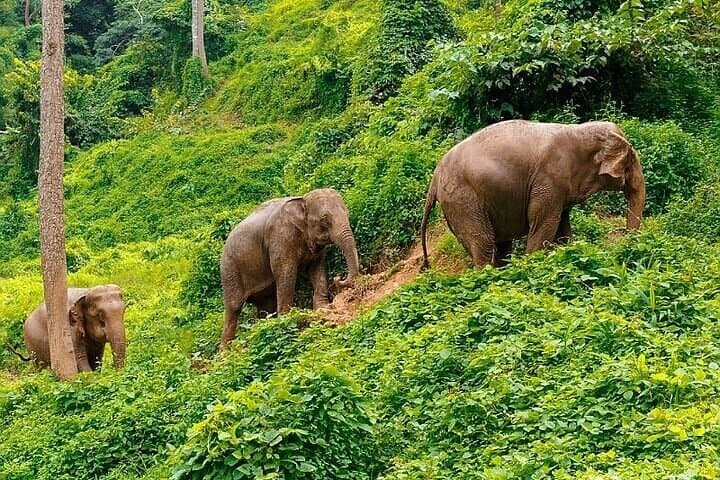
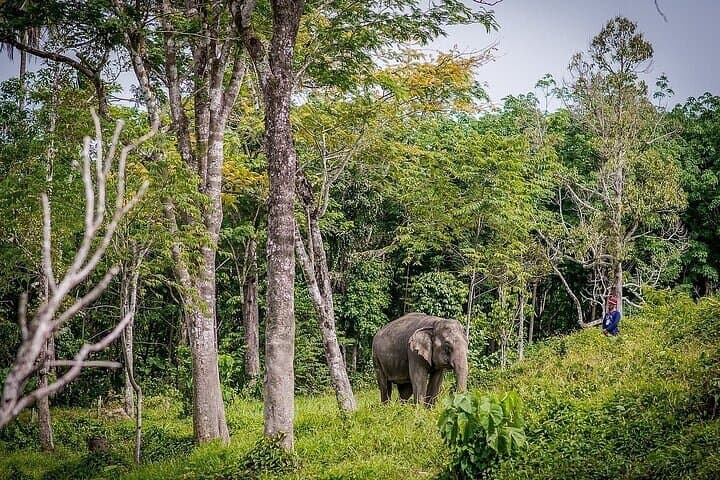
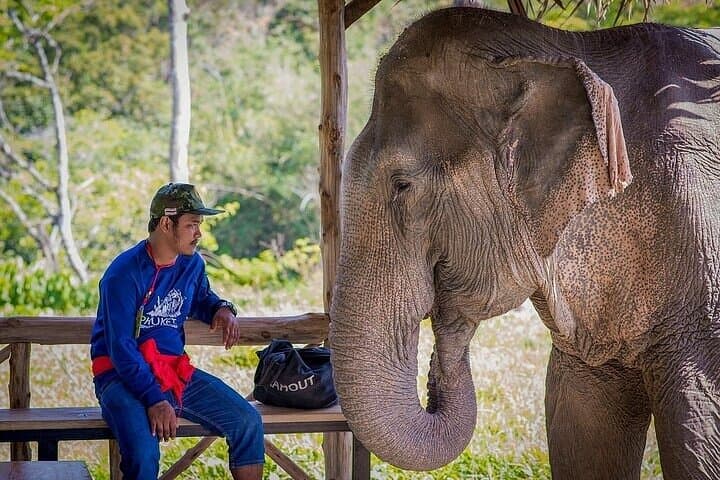
Early light filters through the tropical canopy as the sanctuary road turns from dust to root-strewn trail. You step out of the vehicle and the air changes—humid, green, threaded with mango and earth—and the elephants, large and deliberate, lift trunks as if to greet you. The opening scene is quiet: pachyderms moving with the patience of old rivers, mahouts at a respectful distance, and the forest itself seeming to watch.
Verified experiences and guided adventures in the surrounding area.
Operated by Cyclope · Krabi, Krabi Province
Early light filters through the tropical canopy as the sanctuary road turns from dust to root-strewn trail. You step out of the vehicle and the air changes—humid, green, threaded with mango and earth—and the elephants, large and deliberate, lift trunks as if to greet you. The opening scene is quiet: pachyderms moving with the patience of old rivers, mahouts at a respectful distance, and the forest itself seeming to watch.
The limestone karst landscape of Krabi shapes the valley ecosystems here; cliffs that rose millions of years ago now frame lowland jungle where elephants forage. Elephants hold cultural weight in Thailand as emblems of royal history and agricultural life—this sanctuary emphasizes their welfare and cultural significance more than spectacle.
Expect a short educational briefing on elephant behavior, a supervised approach to watch them feed and move, then a guided jungle walk that illustrates how these animals use trails and water sources. A local Thai buffet follows, highlighting regional flavors—coconut, tamarind, and fresh herbs.
Practical guidance: the pace is gentle but uneven underfoot—sturdy shoes and insect protection matter. Carry a refillable water bottle; shade is intermittent and sun can be intense by midafternoon. Morning slots are cooler and attract more active elephant behavior. Respect distance rules and staff directions; the experience is observational and welfare-focused, not riding.
For planning, allow three hours total including transfers. Photography is welcome but avoid flash and loud noises. The visit pairs well with a day exploring nearby Ao Nang beaches or a limestone-cliff hike for a fuller Krabi itinerary.
easy.
3 hours.
Suitable for all fitness levels; involves short walks on uneven terrain
Yes—interactions are supervised and observational; visitors are guided by staff who set safe distances and handle direct contact scenarios.
Pick-up and drop-off from selected Krabi-area hotels is typically provided; confirm pickup point during booking.
Feeding under staff supervision may be allowed depending on sanctuary rules; riding is generally discouraged or prohibited at welfare-focused sanctuaries.
Light, breathable clothing that covers shoulders and knees is appropriate; closed-toe shoes, sun protection, and insect repellent are recommended.
Elephants have been integral to southern Thailand’s labor and royal traditions; sanctuaries in the region increasingly shift care from logging-era work to rehabilitation and naturalistic living.
Sanctuaries here balance tourism with welfare by limiting visitor numbers and emphasizing education; choose operators who prohibit riding and prioritize vet care and enrichment.
Cyclope operates guided outdoor trips and adventures with an emphasis on safety, stewardship, and memorable experiences.

Early light filters through the tropical canopy as the sanctuary road turns from dust to root-strewn trail. You step out of the vehicle and the air changes—humid, green, threaded with mango and earth—and the elephants, large and deliberate, lift trunks as if to greet you. The opening scene is quiet: pachyderms moving with the patience of old rivers, mahouts at a respectful distance, and the forest itself seeming to watch.
Early light filters through the tropical canopy as the sanctuary road turns from dust to root-strewn trail. You step out of the vehicle and the air changes—humid, green, threaded with mango and earth—and the elephants, large and deliberate, lift trunks as if to greet you. The opening scene is quiet: pachyderms moving with the patience of old rivers, mahouts at a respectful distance, and the forest itself seeming to watch.
The limestone karst landscape of Krabi shapes the valley ecosystems here; cliffs that rose millions of years ago now frame lowland jungle where elephants forage. Elephants hold cultural weight in Thailand as emblems of royal history and agricultural life—this sanctuary emphasizes their welfare and cultural significance more than spectacle.
Expect a short educational briefing on elephant behavior, a supervised approach to watch them feed and move, then a guided jungle walk that illustrates how these animals use trails and water sources. A local Thai buffet follows, highlighting regional flavors—coconut, tamarind, and fresh herbs.
Practical guidance: the pace is gentle but uneven underfoot—sturdy shoes and insect protection matter. Carry a refillable water bottle; shade is intermittent and sun can be intense by midafternoon. Morning slots are cooler and attract more active elephant behavior. Respect distance rules and staff directions; the experience is observational and welfare-focused, not riding.
For planning, allow three hours total including transfers. Photography is welcome but avoid flash and loud noises. The visit pairs well with a day exploring nearby Ao Nang beaches or a limestone-cliff hike for a fuller Krabi itinerary.