THE ADVENTURE COLLECTIVE® · Independent discovery and booking for outdoor travel

Glide between karst cliffs, sandbars that emerge at low tide, and a cave shrine on this private long-tail boat tour out of Ao Nang. Expect snorkeling, beach walking, and flexible stops tailored to tides and group pace.
Glide between karst cliffs, sandbars that emerge at low tide, and a cave shrine on this private long-tail boat tour out of Ao Nang. Expect snorkeling, beach walking, and flexible stops tailored to tides and group pace.
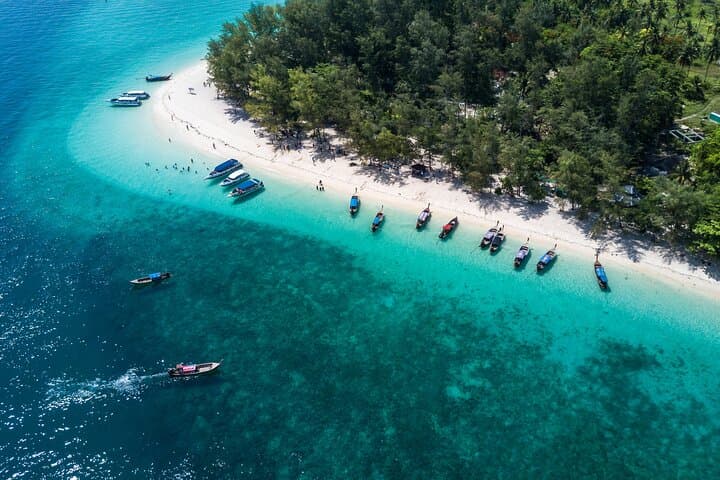
Early light strikes the limestone teeth of Krabi as a wooden long-tail slips from Ao Nam Mao pier and the sea smells of salt and crushed coral. The boat’s engine vibrates underfoot; palms brush the horizon and islands rise like stony islands of time. For 4–6 hours you move between sharp karst towers, white sand shelves that appear only at low tide, and a cave shrine carved by generations of seafarers.
Verified experiences and guided adventures in the surrounding area.
Operated by Railay Local Travel · Ao Nang, Krabi Province
Early light strikes the limestone teeth of Krabi as a wooden long-tail slips from Ao Nam Mao pier and the sea smells of salt and crushed coral. The boat’s engine vibrates underfoot; palms brush the horizon and islands rise like stony islands of time. For 4–6 hours you move between sharp karst towers, white sand shelves that appear only at low tide, and a cave shrine carved by generations of seafarers.
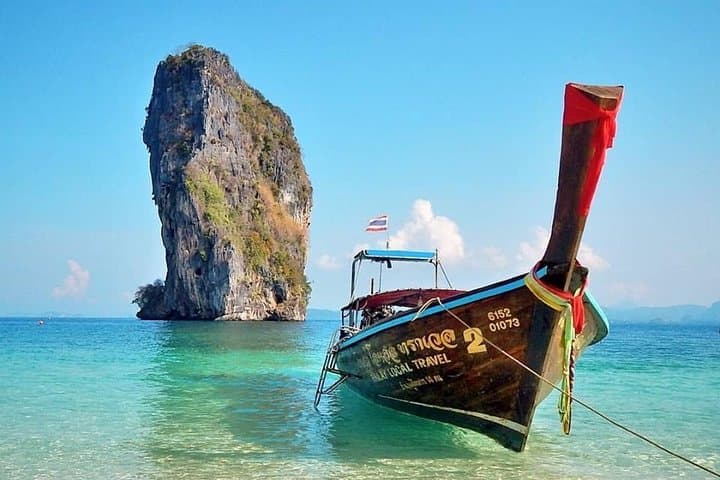
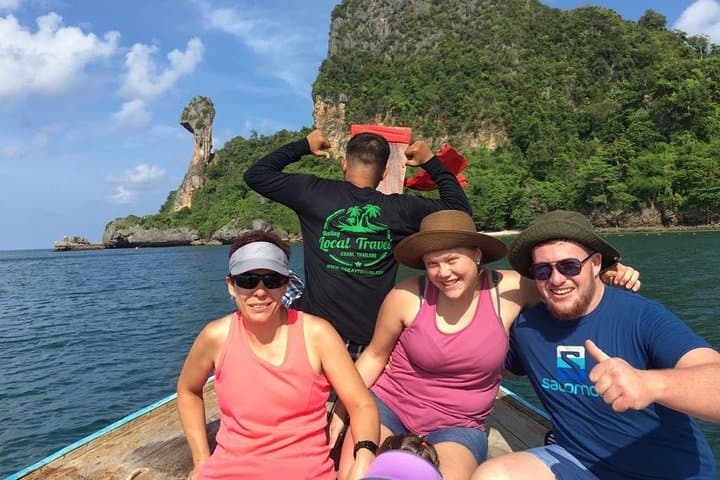
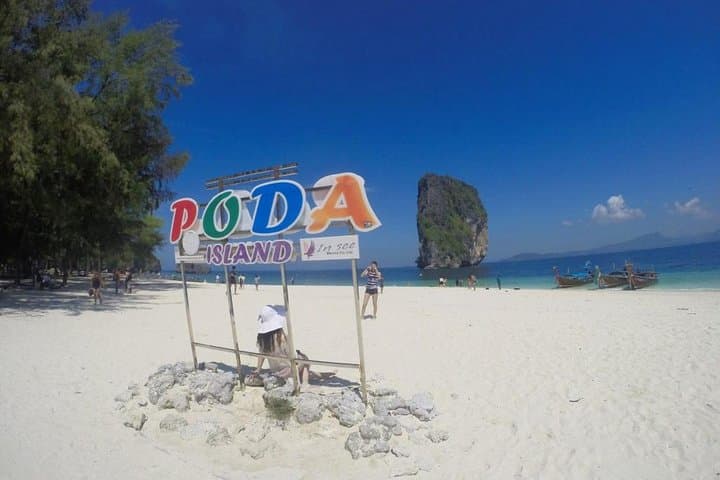
These islands are raised coral and reef limestone, sculpted over millennia by waves and monsoon winds. Phra Nang’s stalactites hold votive offerings tied to local fisherfolk traditions, while Thale Waek (the “Separated Sea”) reveals a temporary sandbar that invites barefoot crossings when tides permit. Koh Gai (Chicken Island) and Koh Poda offer shallow snorkeling fringing reefs—expect parrotfish, wrasse, and the occasional green turtle.
Practical pace: expect short swims, beach walks, and snorkeling stops; the private long-tail lets groups customize timing. Bring reef‑safe sunscreen, a lightweight dry bag, and footwear that grips sand and rock. The tour usually includes hotel pickup in Ao Nang, bottled water, fruit, life vests and masks — but personal masks fit better.
Timing matters: low tide unveils the sandbar; calm mornings give the best visibility. Respect the reef—don’t touch corals—and follow crew guidance on currents and entry points. For photographers, mid-morning light illuminates Poda’s white crescent; late afternoons return you with a boat of tired, sun-warm travelers and a clear sense of why these islands are a signature of southern Thailand.
easy.
4–6 hours.
Suitable for most travelers who can board a small boat, do short swims and walk on uneven sand and rock.
Most departures include free pickup from Ao Nang and nearby areas; confirm your pickup point when booking.
Basic swimming is recommended for snorkeling, but life vests are provided and crew assist non-swimmers.
This private boat option allows flexible timing and stops—discuss preferences with the operator before departure.
Do not touch or stand on corals, use reef-safe sunscreen, and avoid feeding marine life to protect reefs and fish.
Phra Nang Cave has long been a shrine for sailors; offerings to the spirit of the princess are part of local seafaring culture.
Coral reefs in Krabi are sensitive to trampling and sunscreen chemicals—operators encourage no-touch snorkeling and reef-safe products.
Railay Local Travel operates guided outdoor trips and adventures with an emphasis on safety, stewardship, and memorable experiences.
Early light strikes the limestone teeth of Krabi as a wooden long-tail slips from Ao Nam Mao pier and the sea smells of salt and crushed coral. The boat’s engine vibrates underfoot; palms brush the horizon and islands rise like stony islands of time. For 4–6 hours you move between sharp karst towers, white sand shelves that appear only at low tide, and a cave shrine carved by generations of seafarers.
Early light strikes the limestone teeth of Krabi as a wooden long-tail slips from Ao Nam Mao pier and the sea smells of salt and crushed coral. The boat’s engine vibrates underfoot; palms brush the horizon and islands rise like stony islands of time. For 4–6 hours you move between sharp karst towers, white sand shelves that appear only at low tide, and a cave shrine carved by generations of seafarers.
These islands are raised coral and reef limestone, sculpted over millennia by waves and monsoon winds. Phra Nang’s stalactites hold votive offerings tied to local fisherfolk traditions, while Thale Waek (the “Separated Sea”) reveals a temporary sandbar that invites barefoot crossings when tides permit. Koh Gai (Chicken Island) and Koh Poda offer shallow snorkeling fringing reefs—expect parrotfish, wrasse, and the occasional green turtle.
Practical pace: expect short swims, beach walks, and snorkeling stops; the private long-tail lets groups customize timing. Bring reef‑safe sunscreen, a lightweight dry bag, and footwear that grips sand and rock. The tour usually includes hotel pickup in Ao Nang, bottled water, fruit, life vests and masks — but personal masks fit better.
Timing matters: low tide unveils the sandbar; calm mornings give the best visibility. Respect the reef—don’t touch corals—and follow crew guidance on currents and entry points. For photographers, mid-morning light illuminates Poda’s white crescent; late afternoons return you with a boat of tired, sun-warm travelers and a clear sense of why these islands are a signature of southern Thailand.