THE ADVENTURE COLLECTIVE® · Independent discovery and booking for outdoor travel

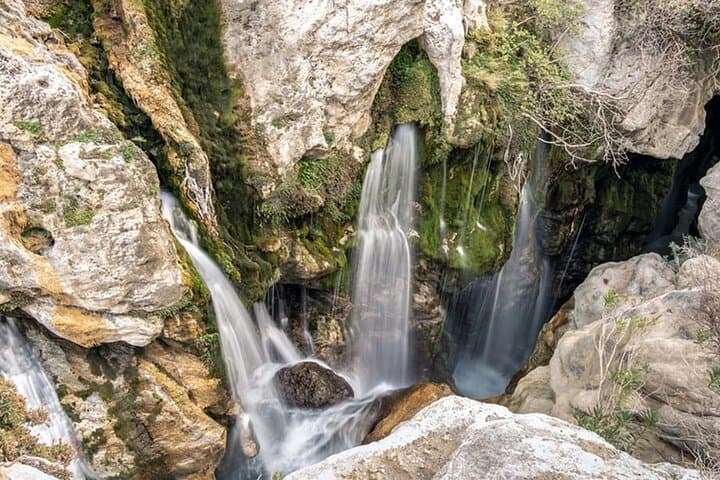
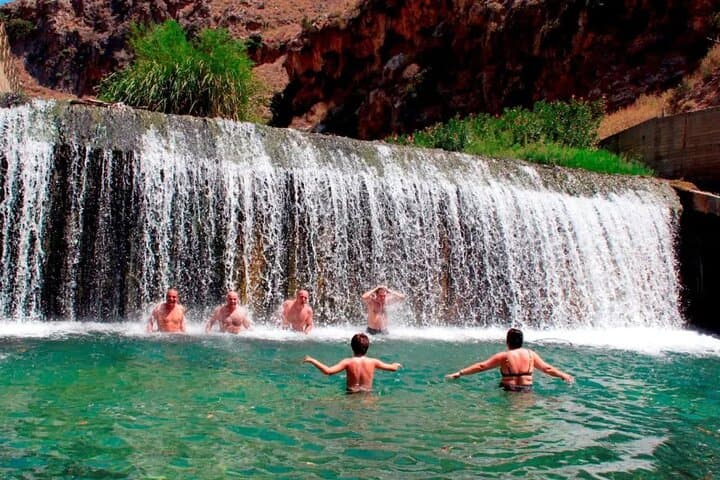
A private 3–4 hour trip from Rethymno into Kourtaliotiko Gorge explores towering limestone walls, a perennial 40m waterfall, hidden forest pockets and natural pools — ideal for swimmers and photographers who want a compact, active Crete day trip.
A private 3–4 hour trip from Rethymno into Kourtaliotiko Gorge explores towering limestone walls, a perennial 40m waterfall, hidden forest pockets and natural pools — ideal for swimmers and photographers who want a compact, active Crete day trip.
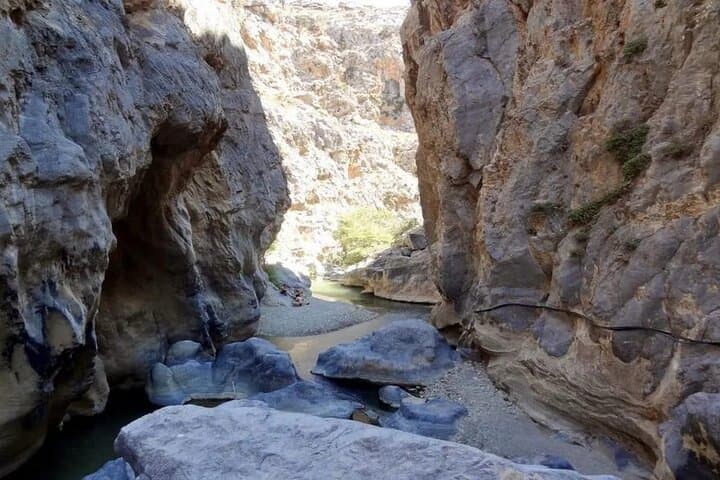
You pull off the coastal road and the air cools as the canyon narrows: limestone cliffs pinch sunlight into slivers while a river threads emerald pools below. The Mercedes Vito drops you at a trailhead and the gorge immediately feels like a place that moves on its own terms — the river daring you forward, the current outlining routes between boulders.
Verified experiences and guided adventures in the surrounding area.
Operated by PLATANOS TOURS · Rethymno, Crete
You pull off the coastal road and the air cools as the canyon narrows: limestone cliffs pinch sunlight into slivers while a river threads emerald pools below. The Mercedes Vito drops you at a trailhead and the gorge immediately feels like a place that moves on its own terms — the river daring you forward, the current outlining routes between boulders.
Kourtaliotiko (Kourtaliotis) Gorge cuts through southern Crete where tectonic uplift and Mediterranean weather sculpted steep limestone walls and a string of springs. Local shepherding and small chapels like Agios Nikolaos mark human presence here; villagers historically used the gorge’s water for terraces and mills. Geologically the canyon is karstic: caves, sharp rock ribs and a 40‑meter waterfall fed year‑round by mountain runoff.
Expect a mix of easy walking, short scrambles and shallow pool crossings. Natural swimming holes invite a cool dip; some sites have safe jump spots but check flow and depth first. Cultural touches are simple — a small church clinging to a ledge, stone shepherd tracks, and the occasional almond tree.
Practical guidance: plan for 3–4 hours including transport, wear sturdy water shoes, and bring a waterproof bag for electronics. Mornings are quieter and light is best for photos; midsummer flows drop but pools stay swimable. The private transfer handles logistics, but be ready for uneven terrain at stops. Leave no trace — the gorge is fragile and popular in summer, so pack out trash and respect local paths.
easy.
3–4 hours.
Suitable for most fitness levels; requires comfortable walking on uneven, occasionally wet terrain.
No — the tour is suitable for most fitness levels; expect short, untechnical walks and some wet footing.
Yes at designated calm pools, but always check depth and current and follow any local guidance from your driver.
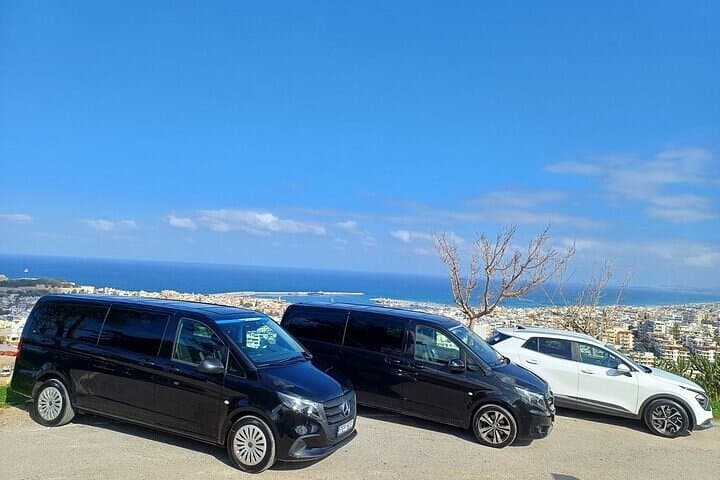
Private transportation in a Mercedes Vito is included; confirm exact pickup time with the local provider before the tour.
The tour runs in most conditions; high river flows after heavy rain may restrict swimming areas — operators may advise alternate stops.
The gorge has long been a local water source and seasonal route for shepherds; small chapels and terraces along its rim reflect rural Cretan life.
Erosion and litter are the main pressures; stick to paths, avoid altering rock pools, and pack out all waste to protect fragile karst ecology.
PLATANOS TOURS operates guided outdoor trips and adventures with an emphasis on safety, stewardship, and memorable experiences.
You pull off the coastal road and the air cools as the canyon narrows: limestone cliffs pinch sunlight into slivers while a river threads emerald pools below. The Mercedes Vito drops you at a trailhead and the gorge immediately feels like a place that moves on its own terms — the river daring you forward, the current outlining routes between boulders.
You pull off the coastal road and the air cools as the canyon narrows: limestone cliffs pinch sunlight into slivers while a river threads emerald pools below. The Mercedes Vito drops you at a trailhead and the gorge immediately feels like a place that moves on its own terms — the river daring you forward, the current outlining routes between boulders.
Kourtaliotiko (Kourtaliotis) Gorge cuts through southern Crete where tectonic uplift and Mediterranean weather sculpted steep limestone walls and a string of springs. Local shepherding and small chapels like Agios Nikolaos mark human presence here; villagers historically used the gorge’s water for terraces and mills. Geologically the canyon is karstic: caves, sharp rock ribs and a 40‑meter waterfall fed year‑round by mountain runoff.
Expect a mix of easy walking, short scrambles and shallow pool crossings. Natural swimming holes invite a cool dip; some sites have safe jump spots but check flow and depth first. Cultural touches are simple — a small church clinging to a ledge, stone shepherd tracks, and the occasional almond tree.
Practical guidance: plan for 3–4 hours including transport, wear sturdy water shoes, and bring a waterproof bag for electronics. Mornings are quieter and light is best for photos; midsummer flows drop but pools stay swimable. The private transfer handles logistics, but be ready for uneven terrain at stops. Leave no trace — the gorge is fragile and popular in summer, so pack out trash and respect local paths.