THE ADVENTURE COLLECTIVE® · Independent discovery and booking for outdoor travel

Walk the stone veins of Kotor’s UNESCO Old Town with a licensed guide who brings to life its medieval churches, Venetian palaces and maritime past. This one-hour group tour is an efficient, accessible introduction to the city’s top sights.
Walk the stone veins of Kotor’s UNESCO Old Town with a licensed guide who brings to life its medieval churches, Venetian palaces and maritime past. This one-hour group tour is an efficient, accessible introduction to the city’s top sights.
You step through the Sea Gate and the city exhales history: flagstones cool underfoot, narrow lanes funnel your view to a clock tower, and the scent of espresso threads between stone arches.
Verified experiences and guided adventures in the surrounding area.
Operated by Tourist Agency "Montis Tours" · Kotor, Kotor
You step through the Sea Gate and the city exhales history: flagstones cool underfoot, narrow lanes funnel your view to a clock tower, and the scent of espresso threads between stone arches.
Kotor’s UNESCO-protected Old Town is compact enough to read in an hour but dense with layers — Byzantine churches, Venetian palaces and Austro-Hungarian facades rubbing shoulders along alleys that once hosted sailors and merchants. Geologically the town sits at the head of the Bay of Kotor, a drowned karst inlet whose limestone slopes rise abruptly from the water and push the town’s walls into dramatic relief.
A licensed local guide will point out St. Tryphon Cathedral (12th century), the Pillar of Shame, Napoleon’s Theatre and the old maritime museum while explaining how maritime trade shaped civic life here. You’ll cross the Skurda River bridge, pass Karampana fountain — once the only public water source — and glimpse the path up to the fortress of St. Giovanni that watches the town from above.
Practically: the tour is one hour, family- and wheelchair-friendly, and meets at the Sea Gate beside the Tourist Info Desk; groups are limited to about 15. Wear comfortable walking shoes for uneven flagstones, bring a small water bottle and sunscreen in summer, and plan an early-morning slot to avoid cruise-ship crowds. The route includes short, frequent stops and covers most major squares and churches, making it an efficient orientation for first-time visitors or a concentrated history walk for repeat travelers.
easy.
1 hour.
Suitable for most fitness levels; involves walking on uneven stone streets and short standing stops.
The tour runs approximately 60 minutes and covers the main squares, churches and waterfront approaches of the Old Town.
Yes — the route is mostly flat and wheelchair-accessible, though some narrow alleys can be tight and flagstones uneven.
Meet in front of Kotor Old Town’s Sea Gate, next to the Tourist Info Desk; guides typically hold a sign or wear identifiable badges.
The tour lists entrance fees to Kotor Old Town as included, but entry to some museums or paid monuments may be extra — confirm with the guide on arrival.
Kotor’s Old Town evolved under Byzantine, Venetian and later Austro-Hungarian rule; its maritime economy and strategic bay shaped civic architecture from the 12th century onward.
The Old Town’s UNESCO status prioritizes preservation of stonework and period facades; visitors are encouraged to stay on pathways, avoid touching frescoes, and support local businesses to maintain the living heritage.
Tourist Agency "Montis Tours" operates guided outdoor trips and adventures with an emphasis on safety, stewardship, and memorable experiences.
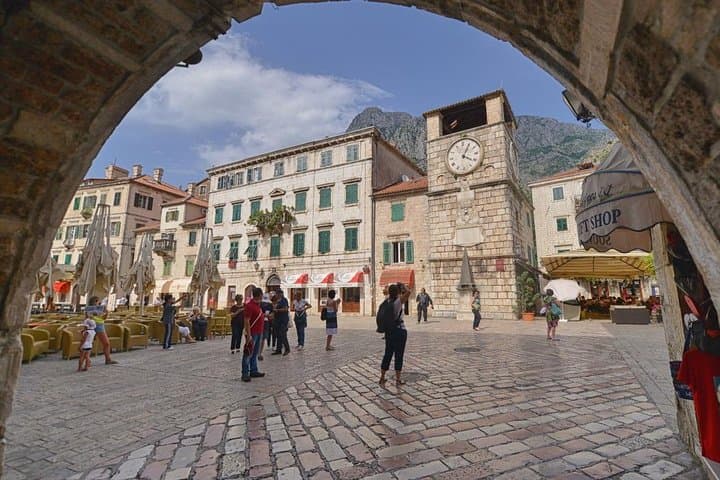
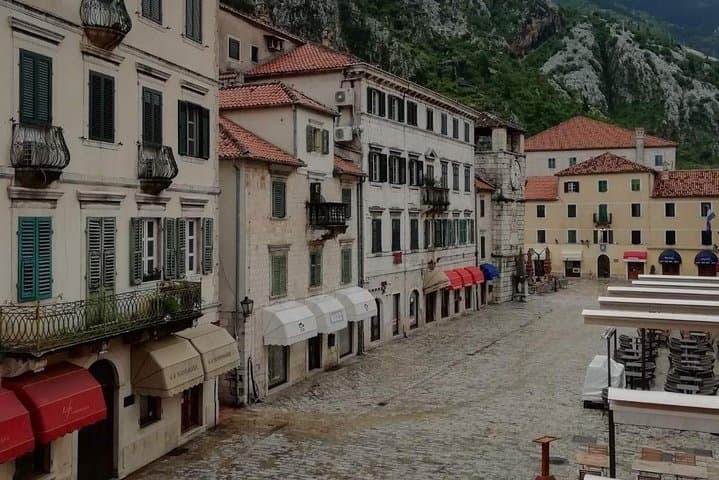
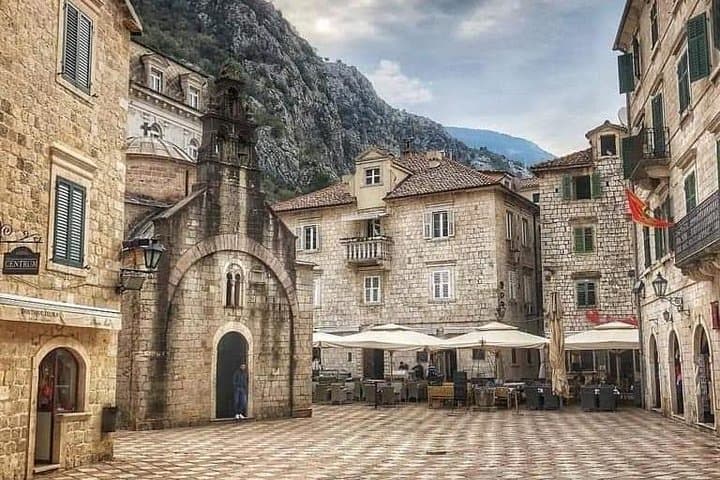
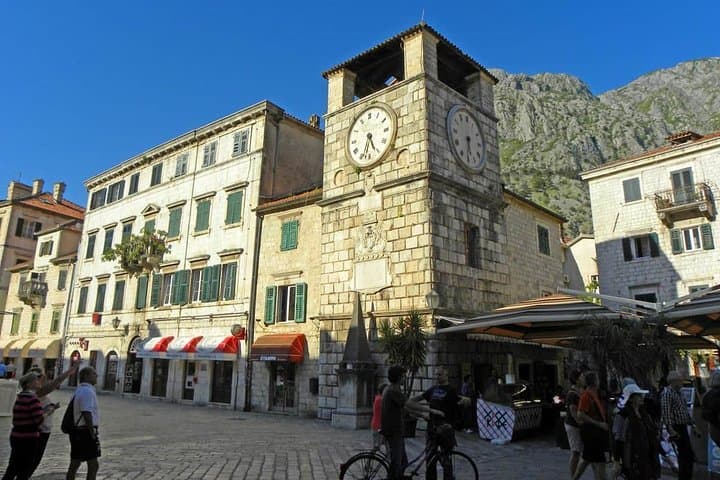
You step through the Sea Gate and the city exhales history: flagstones cool underfoot, narrow lanes funnel your view to a clock tower, and the scent of espresso threads between stone arches.
You step through the Sea Gate and the city exhales history: flagstones cool underfoot, narrow lanes funnel your view to a clock tower, and the scent of espresso threads between stone arches.
Kotor’s UNESCO-protected Old Town is compact enough to read in an hour but dense with layers — Byzantine churches, Venetian palaces and Austro-Hungarian facades rubbing shoulders along alleys that once hosted sailors and merchants. Geologically the town sits at the head of the Bay of Kotor, a drowned karst inlet whose limestone slopes rise abruptly from the water and push the town’s walls into dramatic relief.
A licensed local guide will point out St. Tryphon Cathedral (12th century), the Pillar of Shame, Napoleon’s Theatre and the old maritime museum while explaining how maritime trade shaped civic life here. You’ll cross the Skurda River bridge, pass Karampana fountain — once the only public water source — and glimpse the path up to the fortress of St. Giovanni that watches the town from above.
Practically: the tour is one hour, family- and wheelchair-friendly, and meets at the Sea Gate beside the Tourist Info Desk; groups are limited to about 15. Wear comfortable walking shoes for uneven flagstones, bring a small water bottle and sunscreen in summer, and plan an early-morning slot to avoid cruise-ship crowds. The route includes short, frequent stops and covers most major squares and churches, making it an efficient orientation for first-time visitors or a concentrated history walk for repeat travelers.