THE ADVENTURE COLLECTIVE® · Independent discovery and booking for outdoor travel

Walk Kotor’s Sea Gate into a compact UNESCO old town, sample market-produce and local wines, and taste mussels in buzara sauce in a two‑hour private experience. Learn local history, meet small producers, and navigate cobbled streets with a guide who links food to place.
Walk Kotor’s Sea Gate into a compact UNESCO old town, sample market-produce and local wines, and taste mussels in buzara sauce in a two‑hour private experience. Learn local history, meet small producers, and navigate cobbled streets with a guide who links food to place.
Step through the Sea Gate and the old stone alleys of Kotor pull you into a compact, living history—sun on limestone, the sea nudging the town’s edge, and the murmur of vendors setting out their day.
Verified experiences and guided adventures in the surrounding area.
Operated by Miro & Sons Montenegro Tours · Kotor, Kotor Municipality
Step through the Sea Gate and the old stone alleys of Kotor pull you into a compact, living history—sun on limestone, the sea nudging the town’s edge, and the murmur of vendors setting out their day.
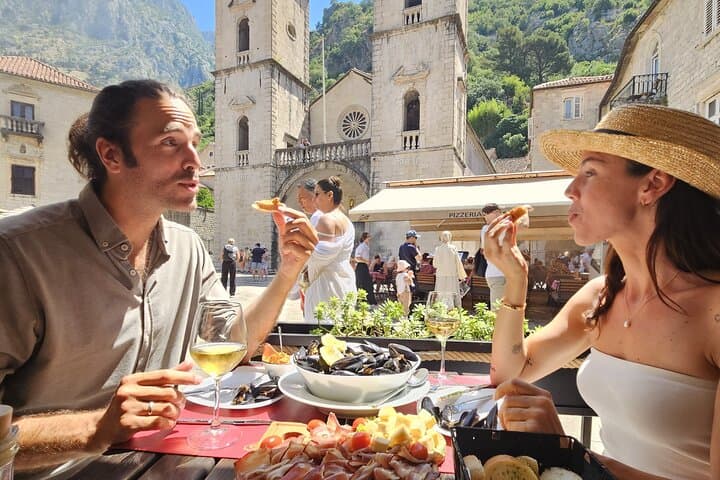
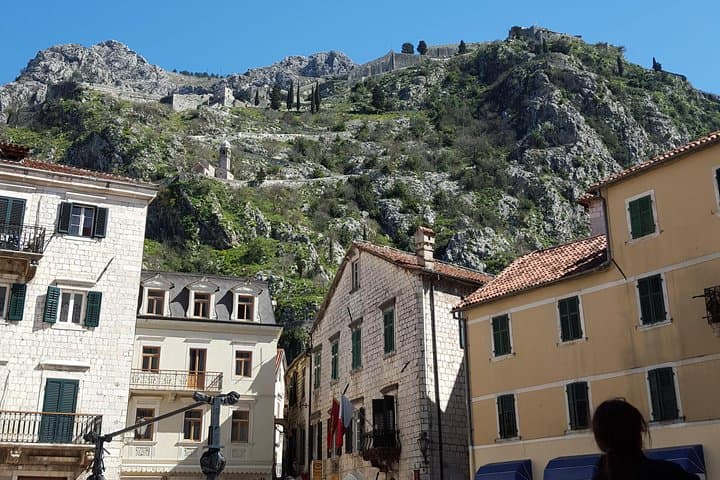
This two-hour private walking tour threads you through Romanesque churches, baroque facades and the intimate squares where Kotor’s life plays out. Once a key Adriatic port under Venetian rule, the town’s layered past is visible in bell towers and fortified walls carved into the bay’s steep limestone spine. The guide connects those stones to local foodways: prosciutto cured in family smokehouses, olive oil pressed from trees that have watched the bay for generations, and mussels simmered in buzara sauce—sea and mountain on the same plate.
Expect cobbled streets and narrow passages rather than long climbs—about 1–2 km of gentle walking with one or two stepped thresholds. The Farmers’ Market offers bright, immediate flavors; if it’s closed in the afternoon, tastings move to a local restaurant where a glass of Montenegrin wine accompanies small plates and conversation.
Practical notes: wear sturdy shoes for uneven cobbles, carry a refillable water bottle, and plan this for cooler morning or late-afternoon hours in summer when squares are busiest. Ask your guide about seasonal specialties and small producers—this tour privileges local foodways and short exchanges over rushed sightseeing. It’s an accessible, sensory way to understand Kotor: the geology that shaped its harbor, the history that shaped its streets, and the people who still make it sing.
easy.
2 hours.
Light walking on flat and cobbled streets; suitable for most fitness levels
The meeting point is in front of Kotor Old Town’s Main Gate (Sea Gate); your guide will hold a sign with your name.
The tour is listed as wheelchair accessible but note old-town cobbles and occasional thresholds; contact the operator to confirm individual needs.
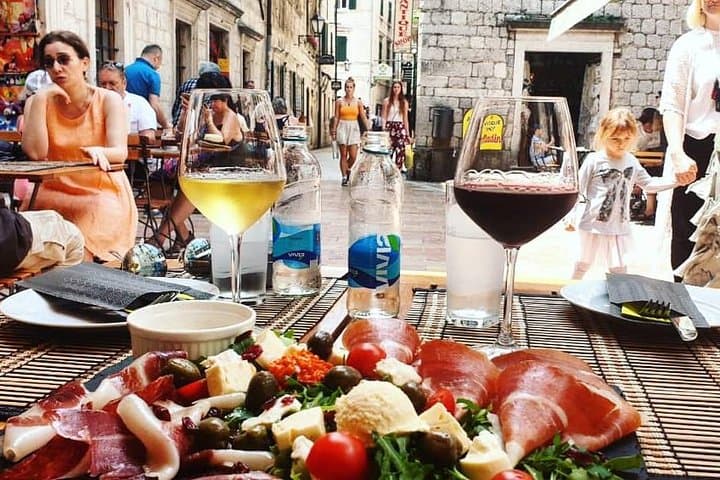
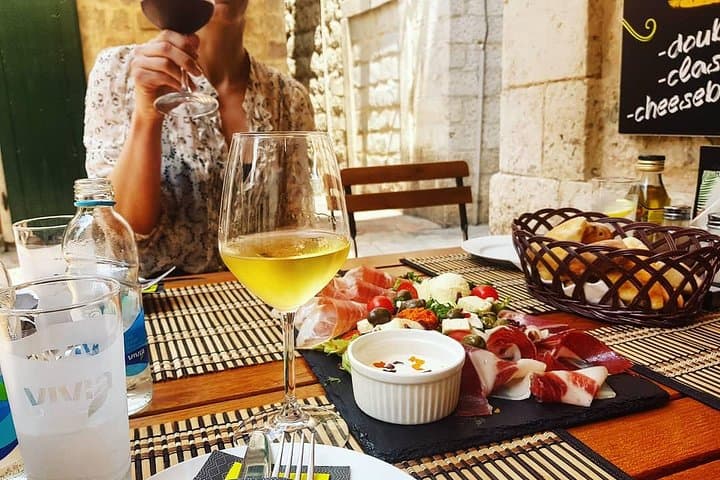
Yes—local wine or beer, non‑alcoholic drinks, and a selection of prosciutto, cheeses, olives, bread, and mussels in buzara sauce are included.
Yes—advance notice of allergies or vegetarian preferences is recommended so the guide can arrange alternatives.
Kotor’s fortified core grew under Venetian rule and later Ottoman and Austro-Hungarian influences, earning UNESCO status for its preserved medieval urban fabric.
The old town is sensitive to overtourism—support local producers, avoid single-use plastics, and follow waste rules to help preserve streets and markets.
Miro & Sons Montenegro Tours operates guided outdoor trips and adventures with an emphasis on safety, stewardship, and memorable experiences.
Step through the Sea Gate and the old stone alleys of Kotor pull you into a compact, living history—sun on limestone, the sea nudging the town’s edge, and the murmur of vendors setting out their day.
Step through the Sea Gate and the old stone alleys of Kotor pull you into a compact, living history—sun on limestone, the sea nudging the town’s edge, and the murmur of vendors setting out their day.
This two-hour private walking tour threads you through Romanesque churches, baroque facades and the intimate squares where Kotor’s life plays out. Once a key Adriatic port under Venetian rule, the town’s layered past is visible in bell towers and fortified walls carved into the bay’s steep limestone spine. The guide connects those stones to local foodways: prosciutto cured in family smokehouses, olive oil pressed from trees that have watched the bay for generations, and mussels simmered in buzara sauce—sea and mountain on the same plate.
Expect cobbled streets and narrow passages rather than long climbs—about 1–2 km of gentle walking with one or two stepped thresholds. The Farmers’ Market offers bright, immediate flavors; if it’s closed in the afternoon, tastings move to a local restaurant where a glass of Montenegrin wine accompanies small plates and conversation.
Practical notes: wear sturdy shoes for uneven cobbles, carry a refillable water bottle, and plan this for cooler morning or late-afternoon hours in summer when squares are busiest. Ask your guide about seasonal specialties and small producers—this tour privileges local foodways and short exchanges over rushed sightseeing. It’s an accessible, sensory way to understand Kotor: the geology that shaped its harbor, the history that shaped its streets, and the people who still make it sing.