THE ADVENTURE COLLECTIVE® · Independent discovery and booking for outdoor travel

Walk Kotor’s medieval lanes with a private guide, then join a local family for a home-cooked lunch featuring regional seafood and traditional dishes. This 3‑hour experience blends history, geology and genuine Montenegrin hospitality.
Walk Kotor’s medieval lanes with a private guide, then join a local family for a home-cooked lunch featuring regional seafood and traditional dishes. This 3‑hour experience blends history, geology and genuine Montenegrin hospitality.
Late morning light slices down the narrow lanes of Kotor’s old town, catching on wet stone and turning every doorway into a vignette. You begin at the sea-scented quay where the Bay of Kotor dares you to look closer, then fold into alleys that funnel centuries of trade, faith and craft into a compact, walkable maze.
Verified experiences and guided adventures in the surrounding area.
Operated by Montenegro Travel Club · Kotor, Kotor Municipality
Late morning light slices down the narrow lanes of Kotor’s old town, catching on wet stone and turning every doorway into a vignette. You begin at the sea-scented quay where the Bay of Kotor dares you to look closer, then fold into alleys that funnel centuries of trade, faith and craft into a compact, walkable maze.
Stone walls here are geography and memory: limestone folded from Adriatic seabeds, spiked by Venetian palaces and Orthodox bell towers. The town’s medieval grid tells a hybrid history—Roman foundations, Venetian façades, Ottoman echoes—while churches and squares mark a civic life that’s been public and loud for generations.
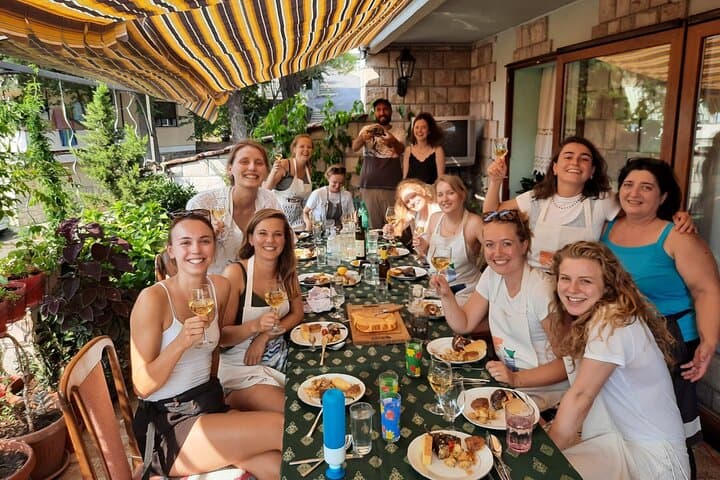
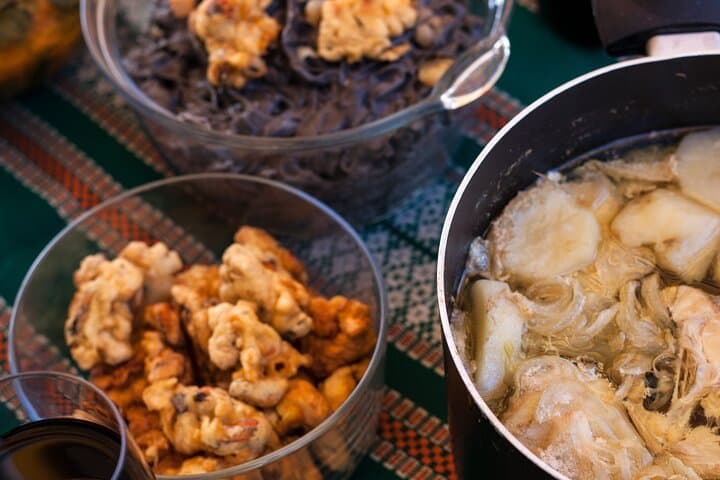
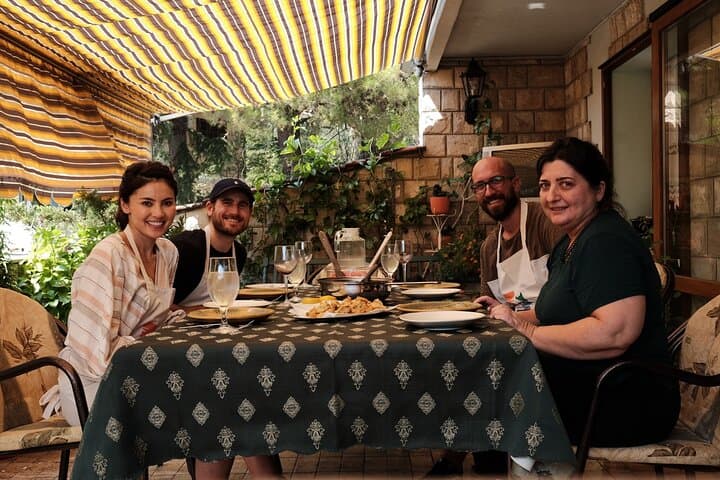
The tour stops at major monuments and quiet corners, a measured pace that suits the old stones and the stories they hold. After the walk, you step into a local family home a short distance from the ramparts. Plates arrive—fried leek, black gnocchi with seasonal seafood, pasticada with polenta—each dish a local conversation about fishing, preserving, and wine.
This is a food-and-culture loop: tasting local techniques, meeting a host who talks festivals and fisheries, and learning why Kotor’s UNESCO status matters. Expect straightforward commentary from a licensed guide and a warm, humorous welcome at the family table.
Practical notes: bring comfortable shoes for uneven cobbles, a light layer for coastal breezes, and modest cash for small purchases. Book ahead for dietary preferences and plan this as a relaxed 3-hour window that mixes history, geology, and honest home cooking.
easy.
2–3 hours.
Suitable for most fitness levels; participants should be able to walk on uneven cobbles for up to 90 minutes total.
The full experience lasts about 3 hours: roughly 60–90 minutes of walking followed by a home-hosted lunch.
Yes—select your menu in advance and the hosts will prepare meat, fish, or vegetarian options when notified.
The walking portion is short and gentle, but cobbles and steps can be challenging; contact the operator to arrange alternatives for limited mobility.
The tour begins and ends near Kotor Old Town; exact meeting details are provided at booking and are within short walking distance of the ramparts.
Kotor’s port and walls grew under Venetian rule from the 15th to 18th centuries, and the old town retains Gothic and Baroque architecture layered over earlier Roman and Byzantine influences.
Kotor is a UNESCO site where visitor pressure is managed through guided tours and local regulations; choose responsible operators and avoid single-use plastics where possible.
Montenegro Travel Club operates guided outdoor trips and adventures with an emphasis on safety, stewardship, and memorable experiences.

Late morning light slices down the narrow lanes of Kotor’s old town, catching on wet stone and turning every doorway into a vignette. You begin at the sea-scented quay where the Bay of Kotor dares you to look closer, then fold into alleys that funnel centuries of trade, faith and craft into a compact, walkable maze.
Late morning light slices down the narrow lanes of Kotor’s old town, catching on wet stone and turning every doorway into a vignette. You begin at the sea-scented quay where the Bay of Kotor dares you to look closer, then fold into alleys that funnel centuries of trade, faith and craft into a compact, walkable maze.
Stone walls here are geography and memory: limestone folded from Adriatic seabeds, spiked by Venetian palaces and Orthodox bell towers. The town’s medieval grid tells a hybrid history—Roman foundations, Venetian façades, Ottoman echoes—while churches and squares mark a civic life that’s been public and loud for generations.
The tour stops at major monuments and quiet corners, a measured pace that suits the old stones and the stories they hold. After the walk, you step into a local family home a short distance from the ramparts. Plates arrive—fried leek, black gnocchi with seasonal seafood, pasticada with polenta—each dish a local conversation about fishing, preserving, and wine.
This is a food-and-culture loop: tasting local techniques, meeting a host who talks festivals and fisheries, and learning why Kotor’s UNESCO status matters. Expect straightforward commentary from a licensed guide and a warm, humorous welcome at the family table.
Practical notes: bring comfortable shoes for uneven cobbles, a light layer for coastal breezes, and modest cash for small purchases. Book ahead for dietary preferences and plan this as a relaxed 3-hour window that mixes history, geology, and honest home cooking.