THE ADVENTURE COLLECTIVE® · Independent discovery and booking for outdoor travel

Step into Prčanj and try medieval skills where shipwrights once ruled Boka Bay. This private, four-hour experience pairs hands-on workshops with guided history inside a monastery and visits to the Three Sisters Palace and the Venetian-era church.
Step into Prčanj and try medieval skills where shipwrights once ruled Boka Bay. This private, four-hour experience pairs hands-on workshops with guided history inside a monastery and visits to the Three Sisters Palace and the Venetian-era church.
You arrive at a low stone quay and the bay answers with a slow, metallic echo—boats cutting a path between steep limestone ridges and the clustered roofs of Prčanj. The tour begins in the Monastery Complex of St. Nicholas, where guides in period dress hand you a wooden token and the past becomes a set of practical tasks: rope-making, wheat-grinding, minting coins and handling replica blades.
Verified experiences and guided adventures in the surrounding area.
Operated by Montenegro Tourist Service · Kotor, Kotor Municipality
You arrive at a low stone quay and the bay answers with a slow, metallic echo—boats cutting a path between steep limestone ridges and the clustered roofs of Prčanj. The tour begins in the Monastery Complex of St. Nicholas, where guides in period dress hand you a wooden token and the past becomes a set of practical tasks: rope-making, wheat-grinding, minting coins and handling replica blades.
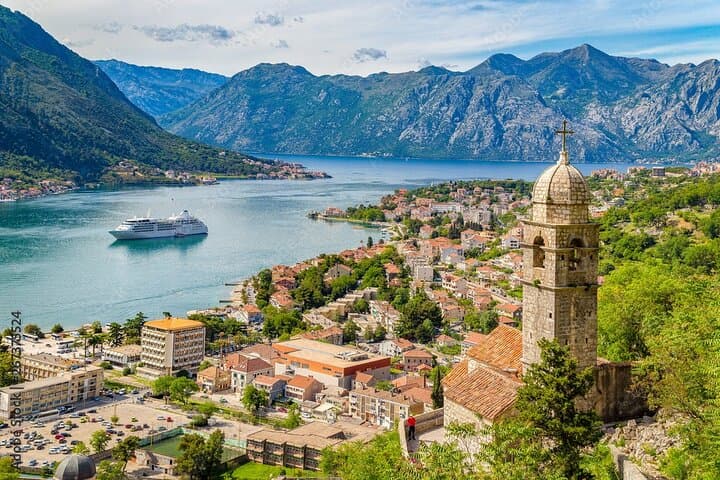
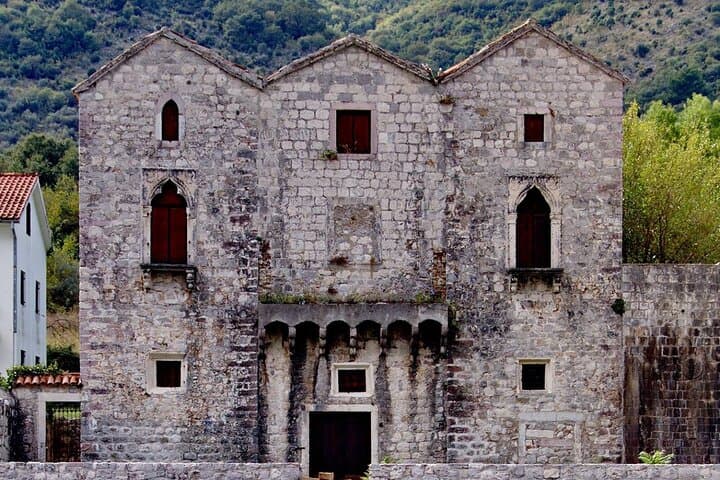
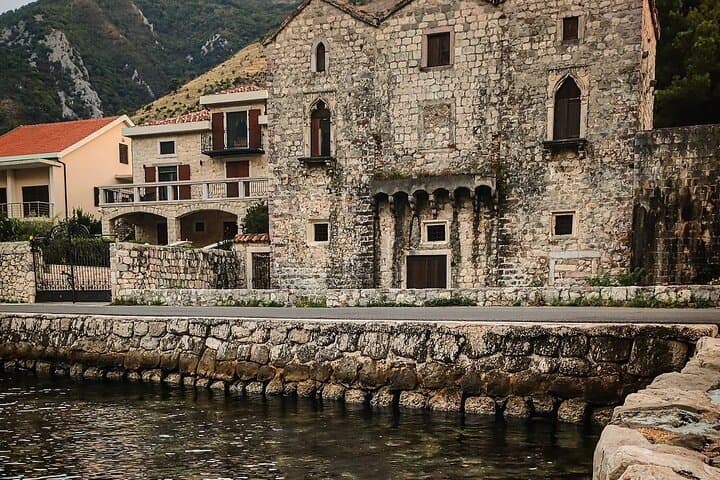
Boka Kotorska is a drowned river valley carved into Adriatic karst; its steep shores shaped a maritime culture that produced the famed Prčani fleet. Venetian school icons in the Nativity of the Mother of God church point to centuries of trade and artistic exchange, while the abandoned Tre Sorelle (Three Sisters) Palace carries the local legends that keep a small town’s memory alive.
Expect a mix of indoor and outdoor segments: cloister workshops, a compact museum space, and short transfers along the bay. The practical demonstrations are tactile—leave with a handmade souvenir—and the guide frames each skill in the context of shipbuilding, navigation and coastal life.
Plan for uneven stone floors and narrow alleys; comfortable shoes and sun protection matter as much as curiosity. The tour is private and paced—good for families and history fans who prefer hands-on learning to passive observation. If you want panoramic views, schedule extra time to drive or walk up to the Vrmac ridge after the tour. Bookings typically run four hours; cancelation is usually possible up to 24 hours prior.
easy.
4 hours.
Suitable for all fitness levels but requires standing, short walking on uneven stone, and a few steps; not advised for those with serious mobility limitations.
Yes; the hands-on activities are family-friendly, but young children should be supervised around replica weapons and during demonstrations.
Yes, the tour’s itinerary specifies admissions and the interactive workshops are included with the private booking.
Historic sites have uneven stone floors and steps; the operator notes the tour is not recommended for people with significant mobility impairments.
It’s a private tour, so guides typically adjust emphasis—more time on maritime history, art, or hands-on crafts—if requested in advance.
Prčanj grew into a maritime power with a fleet that prospered under Venetian influence; churches and icons reflect centuries of trade and religious patronage.
Respect painted icons and church interiors—avoid flash photography where posted—and stick to marked paths to limit erosion on coastal cliffs and historical stonework.
Montenegro Tourist Service operates guided outdoor trips and adventures with an emphasis on safety, stewardship, and memorable experiences.
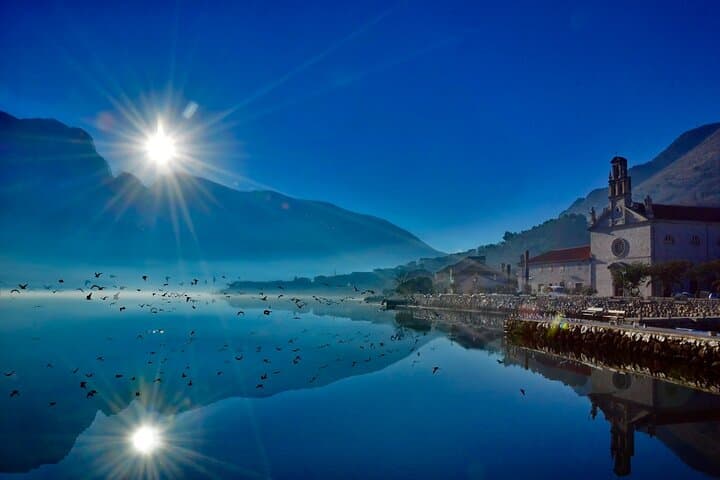
You arrive at a low stone quay and the bay answers with a slow, metallic echo—boats cutting a path between steep limestone ridges and the clustered roofs of Prčanj. The tour begins in the Monastery Complex of St. Nicholas, where guides in period dress hand you a wooden token and the past becomes a set of practical tasks: rope-making, wheat-grinding, minting coins and handling replica blades.
You arrive at a low stone quay and the bay answers with a slow, metallic echo—boats cutting a path between steep limestone ridges and the clustered roofs of Prčanj. The tour begins in the Monastery Complex of St. Nicholas, where guides in period dress hand you a wooden token and the past becomes a set of practical tasks: rope-making, wheat-grinding, minting coins and handling replica blades.
Boka Kotorska is a drowned river valley carved into Adriatic karst; its steep shores shaped a maritime culture that produced the famed Prčani fleet. Venetian school icons in the Nativity of the Mother of God church point to centuries of trade and artistic exchange, while the abandoned Tre Sorelle (Three Sisters) Palace carries the local legends that keep a small town’s memory alive.
Expect a mix of indoor and outdoor segments: cloister workshops, a compact museum space, and short transfers along the bay. The practical demonstrations are tactile—leave with a handmade souvenir—and the guide frames each skill in the context of shipbuilding, navigation and coastal life.
Plan for uneven stone floors and narrow alleys; comfortable shoes and sun protection matter as much as curiosity. The tour is private and paced—good for families and history fans who prefer hands-on learning to passive observation. If you want panoramic views, schedule extra time to drive or walk up to the Vrmac ridge after the tour. Bookings typically run four hours; cancelation is usually possible up to 24 hours prior.