THE ADVENTURE COLLECTIVE® · Independent discovery and booking for outdoor travel

A brisk private speedboat whisks you from Kotor to Our Lady of the Rocks and the baroque waterfront of Perast—two compact cultural gems of the Bay of Kotor. Expect intimate church interiors, shorefront palaces, and calm Adriatic views in a two-hour, skipper-led cruise.
A brisk private speedboat whisks you from Kotor to Our Lady of the Rocks and the baroque waterfront of Perast—two compact cultural gems of the Bay of Kotor. Expect intimate church interiors, shorefront palaces, and calm Adriatic views in a two-hour, skipper-led cruise.
The speedboat cuts a silver line across Kotor Bay, and the water tilts its face toward you as if beckoning. Salt air fills your nostrils while the limestone cliffs of the bay keep their slow watch; behind you, Kotor’s stone ramparts recede, and ahead two small worlds come into focus—an artificial island crowned by a white church and the low, baroque roofs of Perast.
Verified experiences and guided adventures in the surrounding area.
Operated by LIMITLESS SPEED BOAT KOTOR · Kotor, Kotor Municipality
The speedboat cuts a silver line across Kotor Bay, and the water tilts its face toward you as if beckoning. Salt air fills your nostrils while the limestone cliffs of the bay keep their slow watch; behind you, Kotor’s stone ramparts recede, and ahead two small worlds come into focus—an artificial island crowned by a white church and the low, baroque roofs of Perast.
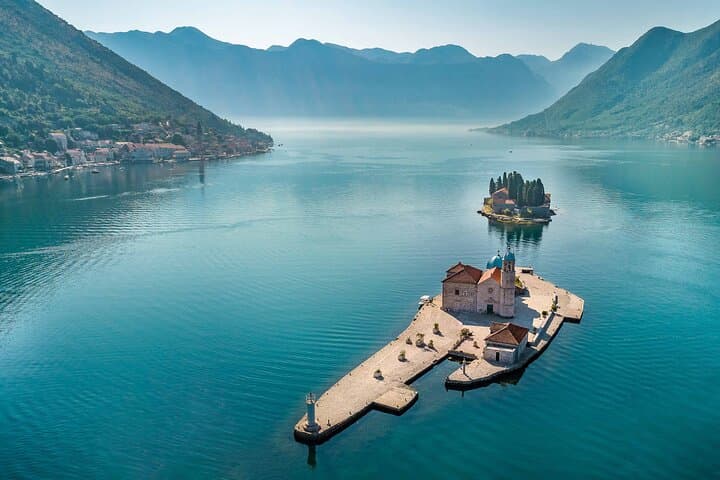
Our Lady of the Rocks (Gospa od Škrpjela) began as an improvised reef: centuries ago, seafarers kept throwing stones and sunken timber at the spot where they’d found a Madonna icon, and the mound became an island. The church built there in 1630 is a compact museum of Boka Bay’s seafaring culture—silver votive plates, nautical relics, and 68 paintings by Tripo Kokolja that depict a town shaped by wind and trade.
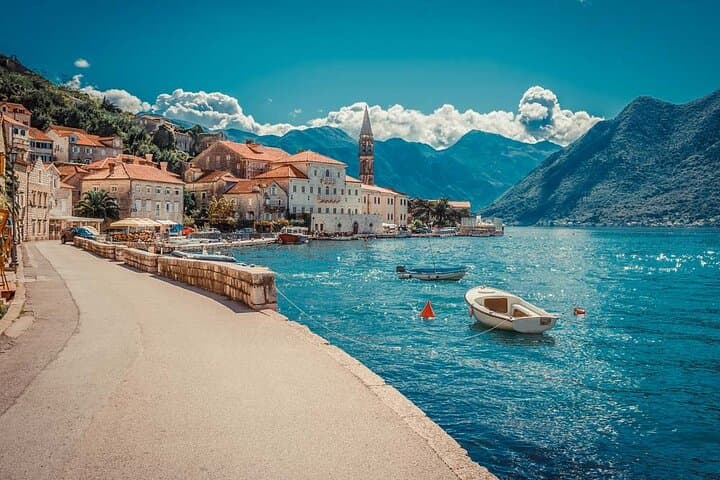
Perast itself reads like a catalogue of the Adriatic’s mercantile past. In the 17th–18th centuries this town produced captains and ship-owners who turned wealth into stone: palaces with carved portals, small chapels, and a waterfront where every boat seems to have a story. Walk past the waterfront mansions toward the bell tower and you’ll understand why UNESCO watches over this stretch of coast.
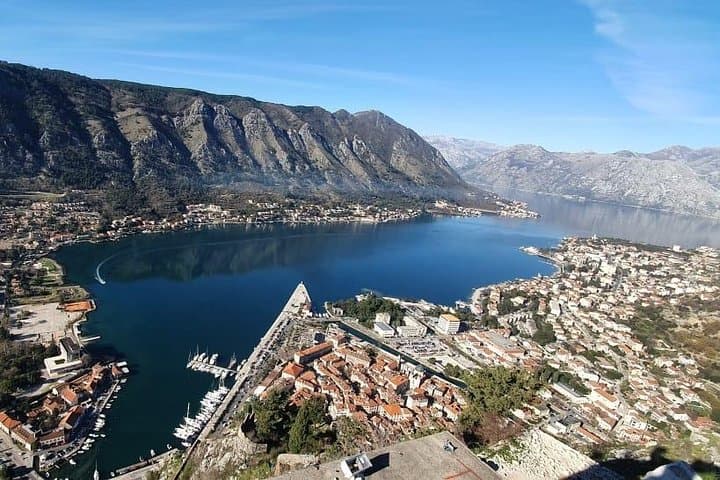
Geology is on display here—the bay is a drowned karst valley, cliffs of grey limestone rising abruptly from calm, deep water. The sea keeps secrets close; at dawn it mirrors the buildings perfectly, as if Perast could be folded into itself.
This private, two-hour speedboat tour is compact and practical. Your skipper handles navigation and local lore—expect short stops for photos, a 20-minute visit to the island church, and a 40-minute shoreline drift around Perast with time to step ashore and move at a walking pace. The boat includes bottled water, onboard Wi-Fi, and even a freshwater shower if you take the plunge.
Plan to go early or late in the day: mornings offer mirror-flat water and soft light for photos; late afternoon brings the warm cast of golden hour on stone. Wear sun protection and non-slip shoes—the island and Perast are stone underfoot and can be slick from sea spray.
Respect the sites: the church is small and sacred, and Perast’s narrow lanes are lived-in spaces, not just backdrops. If you’re curious about extending the day, discuss a longer private route with the operator—there are quieter inlets and old fort ruins further up the bay.
Practically: meet at Park Slobode just outside Kotor’s city walls 10–15 minutes before departure. The tour is private (up to five), easy in exertion, and cancellable within 24 hours. Bring a light windbreaker, camera, and a sense of patience—the bay reveals itself slowly, and when it does, it rewards close attention.
easy.
2 hours.
Suitable for most fitness levels; requires short periods of standing and stepping on/off the boat.
The itinerary allows about 20 minutes to step onto the island, visit the church and small museum, and take photos.
Admission is not included in some bookings—confirm with the operator; there is a small entrance fee for the church museum.
Yes—there’s usually an opportunity to swim and the boat has a freshwater shower, but check sea conditions with your skipper first.
Yes, the tour is private for up to five people with a multilingual professional skipper.
Infants must sit on an adult’s lap; the tour is generally family-friendly but not recommended for pregnant travelers or those with serious back/heart conditions.
Perast and Our Lady of the Rocks reflect the maritime wealth of the Venetian period; sailors built the artificial island as an act of devotion after finding a Madonna icon offshore.
The Bay of Kotor contains sensitive Posidonia beds—ask your skipper to anchor responsibly and avoid single-use plastics to protect marine habitats.
LIMITLESS SPEED BOAT KOTOR operates guided outdoor trips and adventures with an emphasis on safety, stewardship, and memorable experiences.
The speedboat cuts a silver line across Kotor Bay, and the water tilts its face toward you as if beckoning. Salt air fills your nostrils while the limestone cliffs of the bay keep their slow watch; behind you, Kotor’s stone ramparts recede, and ahead two small worlds come into focus—an artificial island crowned by a white church and the low, baroque roofs of Perast.
The speedboat cuts a silver line across Kotor Bay, and the water tilts its face toward you as if beckoning. Salt air fills your nostrils while the limestone cliffs of the bay keep their slow watch; behind you, Kotor’s stone ramparts recede, and ahead two small worlds come into focus—an artificial island crowned by a white church and the low, baroque roofs of Perast.
Our Lady of the Rocks (Gospa od Škrpjela) began as an improvised reef: centuries ago, seafarers kept throwing stones and sunken timber at the spot where they’d found a Madonna icon, and the mound became an island. The church built there in 1630 is a compact museum of Boka Bay’s seafaring culture—silver votive plates, nautical relics, and 68 paintings by Tripo Kokolja that depict a town shaped by wind and trade.
Perast itself reads like a catalogue of the Adriatic’s mercantile past. In the 17th–18th centuries this town produced captains and ship-owners who turned wealth into stone: palaces with carved portals, small chapels, and a waterfront where every boat seems to have a story. Walk past the waterfront mansions toward the bell tower and you’ll understand why UNESCO watches over this stretch of coast.
Geology is on display here—the bay is a drowned karst valley, cliffs of grey limestone rising abruptly from calm, deep water. The sea keeps secrets close; at dawn it mirrors the buildings perfectly, as if Perast could be folded into itself.
This private, two-hour speedboat tour is compact and practical. Your skipper handles navigation and local lore—expect short stops for photos, a 20-minute visit to the island church, and a 40-minute shoreline drift around Perast with time to step ashore and move at a walking pace. The boat includes bottled water, onboard Wi-Fi, and even a freshwater shower if you take the plunge.
Plan to go early or late in the day: mornings offer mirror-flat water and soft light for photos; late afternoon brings the warm cast of golden hour on stone. Wear sun protection and non-slip shoes—the island and Perast are stone underfoot and can be slick from sea spray.
Respect the sites: the church is small and sacred, and Perast’s narrow lanes are lived-in spaces, not just backdrops. If you’re curious about extending the day, discuss a longer private route with the operator—there are quieter inlets and old fort ruins further up the bay.
Practically: meet at Park Slobode just outside Kotor’s city walls 10–15 minutes before departure. The tour is private (up to five), easy in exertion, and cancellable within 24 hours. Bring a light windbreaker, camera, and a sense of patience—the bay reveals itself slowly, and when it does, it rewards close attention.