THE ADVENTURE COLLECTIVE® · Independent discovery and booking for outdoor travel

Catch a swift hydrofoil from Bodrum and spend a day exploring Kos at your own pace—beaches, Roman ruins and a 14th‑century fortress await. This independent trip includes transport; your days’ food, entries and extras are up to you.
Catch a swift hydrofoil from Bodrum and spend a day exploring Kos at your own pace—beaches, Roman ruins and a 14th‑century fortress await. This independent trip includes transport; your days’ food, entries and extras are up to you.
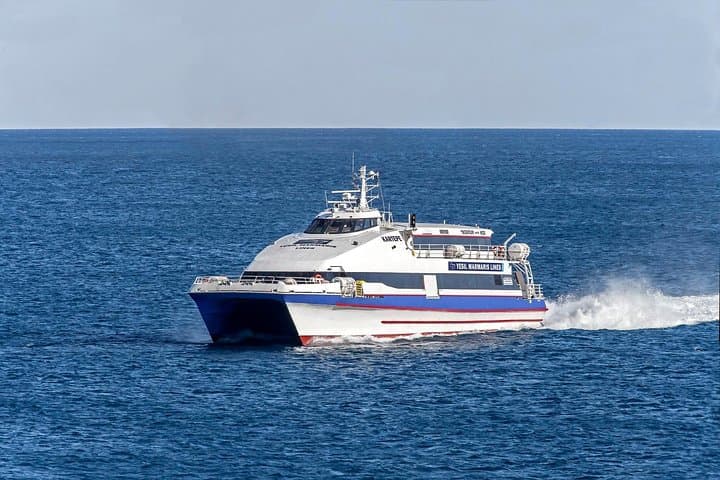
The hydrofoil cuts a bright trail across the Aegean and, within twenty minutes, Kos rises from the sea like a place that’s been waiting for visitors long enough to know how to welcome them.
Verified experiences and guided adventures in the surrounding area.
Operated by Arbek Travel · Kos, South Aegean
The hydrofoil cuts a bright trail across the Aegean and, within twenty minutes, Kos rises from the sea like a place that’s been waiting for visitors long enough to know how to welcome them.
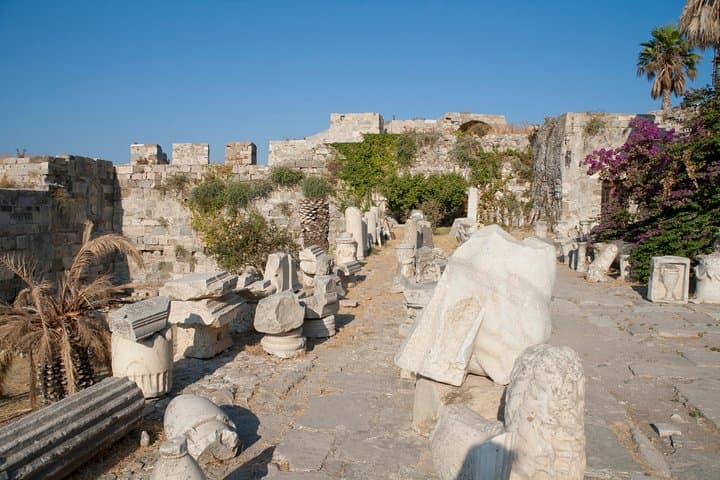
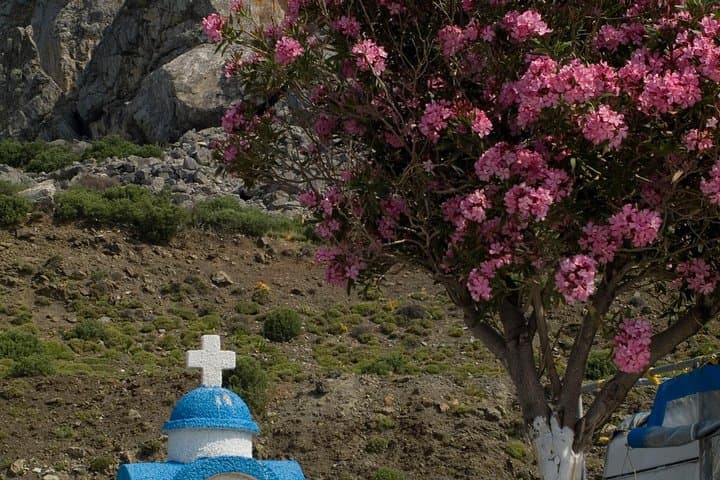
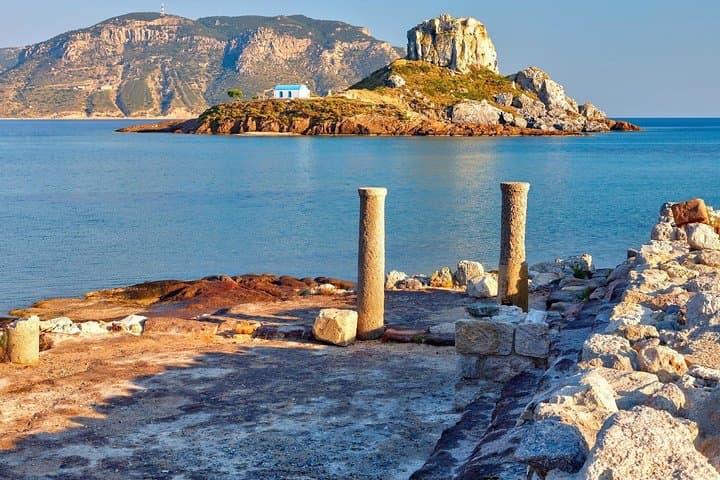
On arrival at Kos Town, palms lean into the breeze and cobbled streets open into squares that trace layers of history: Roman baths, Ottoman houses, and the 14th-century Castle of the Knights standing watch over the harbor. Inland, low limestone ridges and volcanic outcrops tell a quieter geological story—the island’s porous rock shapes pebbled coves and scrubby garrigue where thyme scents the air.
Culture here is casual and direct: fishermen mend nets by the quay, cafes serve strong Greek coffee, and markets sell local honey and thyme-infused cheese. Move beyond the waterfront and you’ll find the Asklepion ruins—an ancient healing sanctuary where the terrain itself was part of therapy.
For practical planning, treat this as an independent day: the hydrofoil transfer and hotel pickup are included, but food, entries and local transport are on you. Carry passport and any needed visas, plan your dock return time carefully, and expect a full day—roughly 8–9 hours from pickup to drop-off. Footpaths around beaches range from sand to pebbles; comfortable shoes and sun protection make the day easier. If you want quiet coves, head west of the town toward Limnionas or Agios Theologos; for culture, stay in Kos Town and follow the palm-lined lanes.
The island rewards straightforward curiosity: short walks, swim breaks, and ruins that require no guide to conjure the past.
easy.
8–9 hours.
Basic fitness for short walks, stairs and beach access; able to stand/move for several hours.
Yes—round‑trip hydrofoil transport and hotel pickup/drop‑off are included, but extras like island taxis, food and site admissions are not.
Many nationalities need a Schengen visa; check your requirements before booking and have passport details ready at booking and boarding.
Typical itineraries allow about 6–7 hours on Kos after docking—plan priorities and leave buffer time for the return boarding.
Yes—strollers are workable and the tour is rated easy, but infants must sit on laps on the boat and parents should plan for sun and heat management.
Kos blends classical Greek sites like the Asklepion with medieval remains such as the 14th‑century Castle of the Knights, reflecting successive layers of Mediterranean rule.
Coastal habitats are sensitive—avoid disturbing nesting sites, use reef‑safe sunscreen and leave no trace on beaches to protect marine life.
Arbek Travel operates guided outdoor trips and adventures with an emphasis on safety, stewardship, and memorable experiences.
The hydrofoil cuts a bright trail across the Aegean and, within twenty minutes, Kos rises from the sea like a place that’s been waiting for visitors long enough to know how to welcome them.
The hydrofoil cuts a bright trail across the Aegean and, within twenty minutes, Kos rises from the sea like a place that’s been waiting for visitors long enough to know how to welcome them.
On arrival at Kos Town, palms lean into the breeze and cobbled streets open into squares that trace layers of history: Roman baths, Ottoman houses, and the 14th-century Castle of the Knights standing watch over the harbor. Inland, low limestone ridges and volcanic outcrops tell a quieter geological story—the island’s porous rock shapes pebbled coves and scrubby garrigue where thyme scents the air.
Culture here is casual and direct: fishermen mend nets by the quay, cafes serve strong Greek coffee, and markets sell local honey and thyme-infused cheese. Move beyond the waterfront and you’ll find the Asklepion ruins—an ancient healing sanctuary where the terrain itself was part of therapy.
For practical planning, treat this as an independent day: the hydrofoil transfer and hotel pickup are included, but food, entries and local transport are on you. Carry passport and any needed visas, plan your dock return time carefully, and expect a full day—roughly 8–9 hours from pickup to drop-off. Footpaths around beaches range from sand to pebbles; comfortable shoes and sun protection make the day easier. If you want quiet coves, head west of the town toward Limnionas or Agios Theologos; for culture, stay in Kos Town and follow the palm-lined lanes.
The island rewards straightforward curiosity: short walks, swim breaks, and ruins that require no guide to conjure the past.