THE ADVENTURE COLLECTIVE® · Independent discovery and booking for outdoor travel

Escape Split for an 8–10 hour private tour across the Pelješac peninsula to Korčula, where medieval streets meet modern Rizman vineyards. Expect island views, a guided tasting with a local lunch, and scenic stops at Pelješac Bridge and coastal viewpoints.
Escape Split for an 8–10 hour private tour across the Pelješac peninsula to Korčula, where medieval streets meet modern Rizman vineyards. Expect island views, a guided tasting with a local lunch, and scenic stops at Pelješac Bridge and coastal viewpoints.
You step away from Split’s bustle and the coastline eases into long blue: islands hover on the horizon, the Pelješac Bridge cuts a clean line over the sea, and the wind off the Adriatic pushes you toward Korčula.
Verified experiences and guided adventures in the surrounding area.
Operated by Private Tours Travel Agency · Split, Split-Dalmatia County
You step away from Split’s bustle and the coastline eases into long blue: islands hover on the horizon, the Pelješac Bridge cuts a clean line over the sea, and the wind off the Adriatic pushes you toward Korčula.
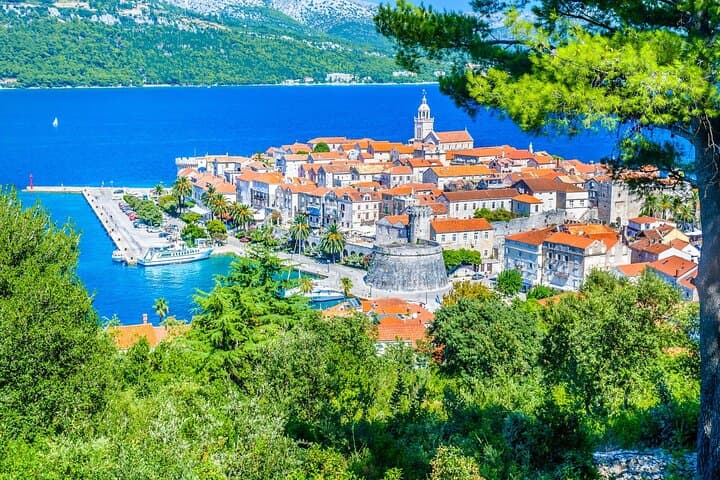
The day unfolds like a stitched map of Dalmatia — a medieval peninsular town, low limestone ridges on Pelješac, and terraced vineyards that drink the sun. Korčula’s narrow streets date to Venetian and Byzantine influence; its stone houses and defensive layout earned it the nickname “small Dubrovnik.” Geologically, the region is karst: porous limestone that shapes sharp coves, salt pans near Ston, and a landscape that favors olive trees and late-ripening red grapes.
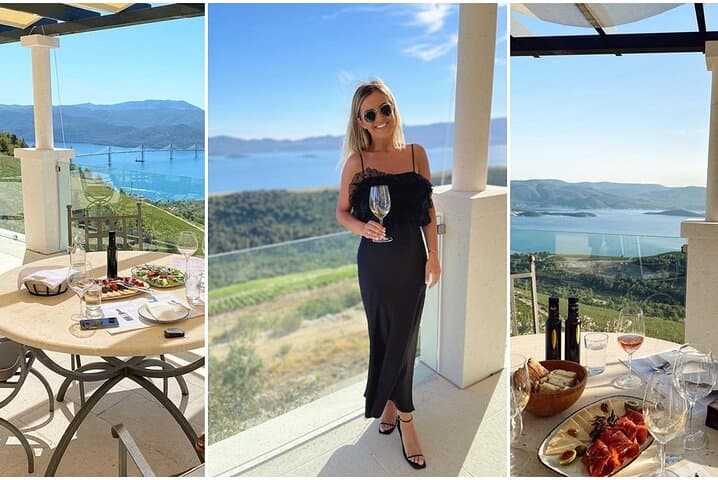
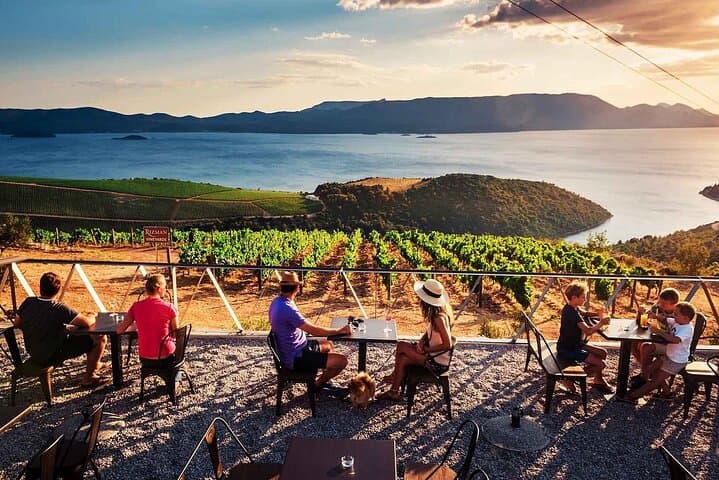
Local culture centers on food and wine—fresh seafood, slow-cooked stews, and the Rizman family’s modern vineyard project that re-established Pelješac as a serious wine region. Expect a guided tasting that pairs local Plavac Mali and Dingac-style wines with simple Dalmatian fare, and a relaxed lunch included mid-day.
Practicalities are straightforward: this is an 8–10 hour private excursion beginning and ending in Split, with road and short ferry segments. Wear comfortable walking shoes for cobbled streets and take sun protection—exposure can be intense on exposed vineyard terraces and coastal viewpoints. Carry a light daypack, plan for intermittent standing during tastings, and bring cash for small purchases in villages. The trip balances sightseeing and tasting—arrive ready to walk, sip, and watch the sea redraw the coastline as the day moves on.
easy.
8–10 hours.
Suitable for most fitness levels; requires moderate mobility for walking on cobbles and short vineyard paths.
Itineraries typically include the necessary short ferry or boat transfers between the mainland and island legs; your booking confirmation will specify exact transport details.
Yes—tastings are guided and designed for a broad audience; staff explain grape varieties, local styles, and pairing notes.
Yes—operators usually can adjust lunch and tasting snacks if informed at booking; note allergies or vegetarian needs in advance.
Most tours from Split run in English; confirm with the operator if you need another language or a private guide.
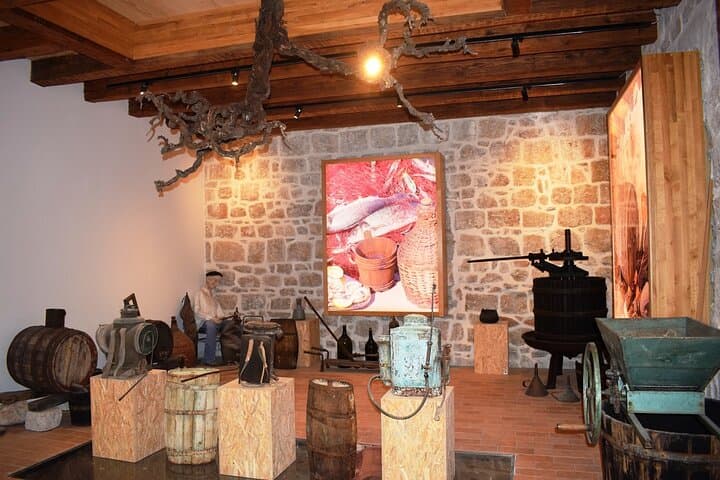
Korčula’s urban layout reflects Venetian and medieval defenses; Pelješac has a long tradition of viticulture and salt production that shaped local settlements.
Vineyards on Pelješac increasingly use sustainable practices to protect karst soils and freshwater springs; visitors are encouraged to follow leave-no-trace principles, especially on fragile coastal scrub.
Private Tours Travel Agency operates guided outdoor trips and adventures with an emphasis on safety, stewardship, and memorable experiences.
You step away from Split’s bustle and the coastline eases into long blue: islands hover on the horizon, the Pelješac Bridge cuts a clean line over the sea, and the wind off the Adriatic pushes you toward Korčula.
You step away from Split’s bustle and the coastline eases into long blue: islands hover on the horizon, the Pelješac Bridge cuts a clean line over the sea, and the wind off the Adriatic pushes you toward Korčula.
The day unfolds like a stitched map of Dalmatia — a medieval peninsular town, low limestone ridges on Pelješac, and terraced vineyards that drink the sun. Korčula’s narrow streets date to Venetian and Byzantine influence; its stone houses and defensive layout earned it the nickname “small Dubrovnik.” Geologically, the region is karst: porous limestone that shapes sharp coves, salt pans near Ston, and a landscape that favors olive trees and late-ripening red grapes.
Local culture centers on food and wine—fresh seafood, slow-cooked stews, and the Rizman family’s modern vineyard project that re-established Pelješac as a serious wine region. Expect a guided tasting that pairs local Plavac Mali and Dingac-style wines with simple Dalmatian fare, and a relaxed lunch included mid-day.
Practicalities are straightforward: this is an 8–10 hour private excursion beginning and ending in Split, with road and short ferry segments. Wear comfortable walking shoes for cobbled streets and take sun protection—exposure can be intense on exposed vineyard terraces and coastal viewpoints. Carry a light daypack, plan for intermittent standing during tastings, and bring cash for small purchases in villages. The trip balances sightseeing and tasting—arrive ready to walk, sip, and watch the sea redraw the coastline as the day moves on.