THE ADVENTURE COLLECTIVE® · Independent discovery and booking for outdoor travel

A brisk three-day trek from Pokhara to Korchan Danda rewards early risers with a Himalayan sunrise over Annapurna and Macchapuchre. Expect forested switchbacks, tea-house nights, and sustained climbs to 3,700m.
A brisk three-day trek from Pokhara to Korchan Danda rewards early risers with a Himalayan sunrise over Annapurna and Macchapuchre. Expect forested switchbacks, tea-house nights, and sustained climbs to 3,700m.
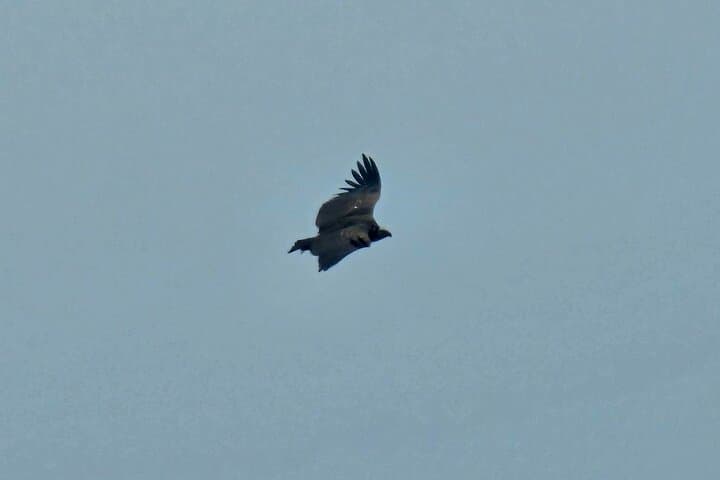
A cold, clear pre-dawn waits on Korchan Danda. The ridge breathes out mist while the first light paints Macchapuchre and Annapurna in hard, silver edges; the trail below hums with the slow work of birds and distant cattle. On this short trek, walkers move from terraced fields and small villages into dark pine stands and up open grassy ridges that dare them higher.
Verified experiences and guided adventures in the surrounding area.
Operated by CAN Travels · Pokhara, Gandaki Province
A cold, clear pre-dawn waits on Korchan Danda. The ridge breathes out mist while the first light paints Macchapuchre and Annapurna in hard, silver edges; the trail below hums with the slow work of birds and distant cattle. On this short trek, walkers move from terraced fields and small villages into dark pine stands and up open grassy ridges that dare them higher.
The route threads through the western Annapurna foothills, an active uplift zone of folded rock and young ridgelines carved by monsoon rains. Locally, the land is shaped by Gurung farming and trans-Himalayan trade routes; tea houses still serve as social hubs where stories and dal bhat arrive together. The trek also crosses parts of the Annapurna Conservation Area, where community-run lodges support both visitors and local stewardship.
Expect three days of steady gain: a 30-minute drive from central Pokhara to Hemja followed by about 6 hours to Hile Kharka (≈2160m), a tougher 7-hour forest climb to Khumai Danda (≈3245m), then an ascent to Korchan Danda (≈3700m) for sunrise and a long descent back to Ghachowk and Pokhara.
Trail surfaces alternate between packed earth, rocky steps, and wet grass; trails narrow on higher slopes. Hydration, layered clothing, and a sensible pace are essential—altitude comes on quickly above 3,000m. Start early to avoid afternoon clouds, respect tea-house quiet hours, and carry small-denomination Nepali rupees for local purchases. For practical comfort, choose sturdy boots, poles, and a light sleeping liner: the views demand a clear head and steady legs.
moderate.
3 days.
Moderate fitness required—regular cardio and experience with full-day hikes (6–7 hours) will make the trek comfortable.
Yes—trekkers require the Annapurna Conservation Area Permit (ACAP) and a TIMS card; reputable operators typically arrange and include these.
The climbs are steady with several long climbs over uneven footing; it’s classified moderate but can feel strenuous without acclimatization and pacing.
Accommodation is in local tea houses with basic rooms and shared bathrooms—meals are communal and primarily Nepali cuisine like dal bhat.
September–November and March–May offer the best visibility and comfortable trekking weather; monsoon months reduce visibility and increase trail slipperiness.
The trail crosses Gurung-settled hills in the Annapurna foothills where community agriculture and porter routes shaped local culture and tea-house hospitality.
This area lies within the Annapurna Conservation Area—minimize waste, use established trails and lodges, and support local businesses to reduce environmental impact.
CAN Travels operates guided outdoor trips and adventures with an emphasis on safety, stewardship, and memorable experiences.
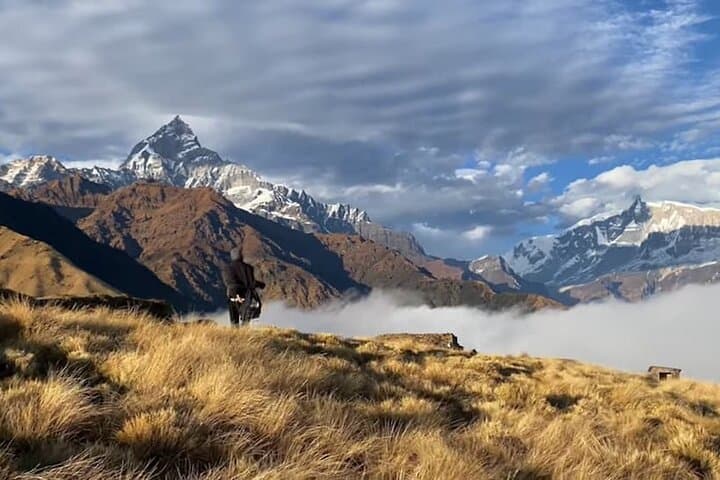
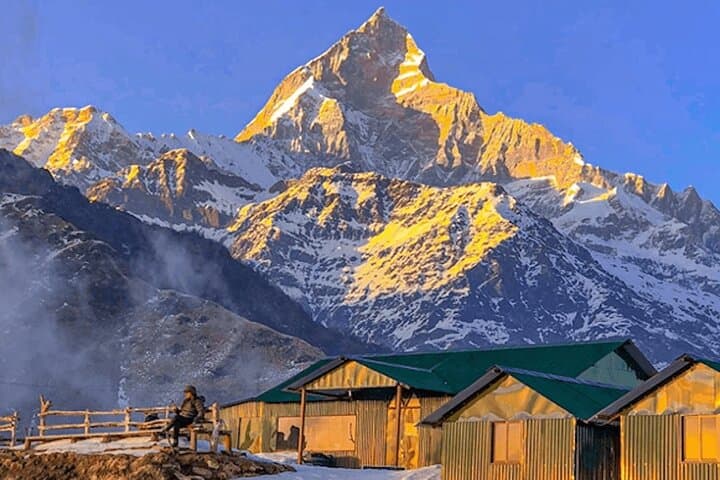
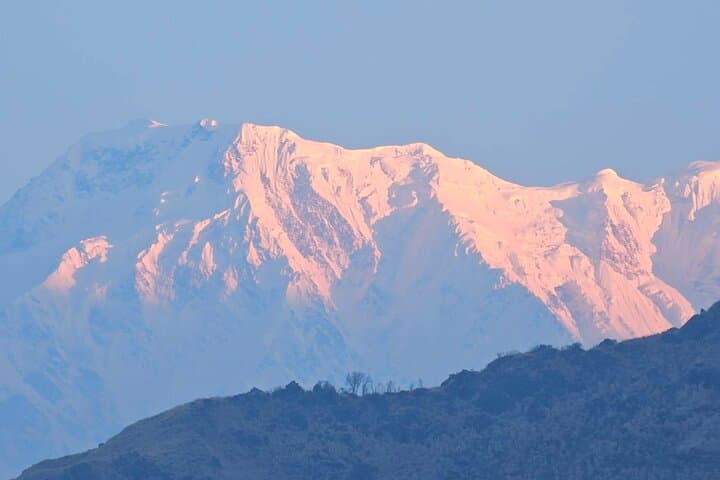
A cold, clear pre-dawn waits on Korchan Danda. The ridge breathes out mist while the first light paints Macchapuchre and Annapurna in hard, silver edges; the trail below hums with the slow work of birds and distant cattle. On this short trek, walkers move from terraced fields and small villages into dark pine stands and up open grassy ridges that dare them higher.
A cold, clear pre-dawn waits on Korchan Danda. The ridge breathes out mist while the first light paints Macchapuchre and Annapurna in hard, silver edges; the trail below hums with the slow work of birds and distant cattle. On this short trek, walkers move from terraced fields and small villages into dark pine stands and up open grassy ridges that dare them higher.
The route threads through the western Annapurna foothills, an active uplift zone of folded rock and young ridgelines carved by monsoon rains. Locally, the land is shaped by Gurung farming and trans-Himalayan trade routes; tea houses still serve as social hubs where stories and dal bhat arrive together. The trek also crosses parts of the Annapurna Conservation Area, where community-run lodges support both visitors and local stewardship.
Expect three days of steady gain: a 30-minute drive from central Pokhara to Hemja followed by about 6 hours to Hile Kharka (≈2160m), a tougher 7-hour forest climb to Khumai Danda (≈3245m), then an ascent to Korchan Danda (≈3700m) for sunrise and a long descent back to Ghachowk and Pokhara.
Trail surfaces alternate between packed earth, rocky steps, and wet grass; trails narrow on higher slopes. Hydration, layered clothing, and a sensible pace are essential—altitude comes on quickly above 3,000m. Start early to avoid afternoon clouds, respect tea-house quiet hours, and carry small-denomination Nepali rupees for local purchases. For practical comfort, choose sturdy boots, poles, and a light sleeping liner: the views demand a clear head and steady legs.