THE ADVENTURE COLLECTIVE® · Independent discovery and booking for outdoor travel

This full-day tour from Nagoya pairs spiritual architecture, hands-on craft culture and a scenic walk through Korankei Gorge. Expect 8–9 hours of guided exploration, food tastings, and iconic autumn foliage.
This full-day tour from Nagoya pairs spiritual architecture, hands-on craft culture and a scenic walk through Korankei Gorge. Expect 8–9 hours of guided exploration, food tastings, and iconic autumn foliage.
A cool morning on the highway out of Nagoya opens into river air and maple-shaded lanes; the bus eases into the Asuke valley and the smell of fermenting miso mingles with wood smoke from village stoves. You begin with Toyokawa Inari, where rows of stone foxes and vermilion temple gates set a devotional rhythm—an immediate sense of the region’s layered history.
Verified experiences and guided adventures in the surrounding area.
Operated by Snow Monkey Resorts Tours (Machinovate Japan Ltd.) · Toyota, Aichi
A cool morning on the highway out of Nagoya opens into river air and maple-shaded lanes; the bus eases into the Asuke valley and the smell of fermenting miso mingles with wood smoke from village stoves. You begin with Toyokawa Inari, where rows of stone foxes and vermilion temple gates set a devotional rhythm—an immediate sense of the region’s layered history.
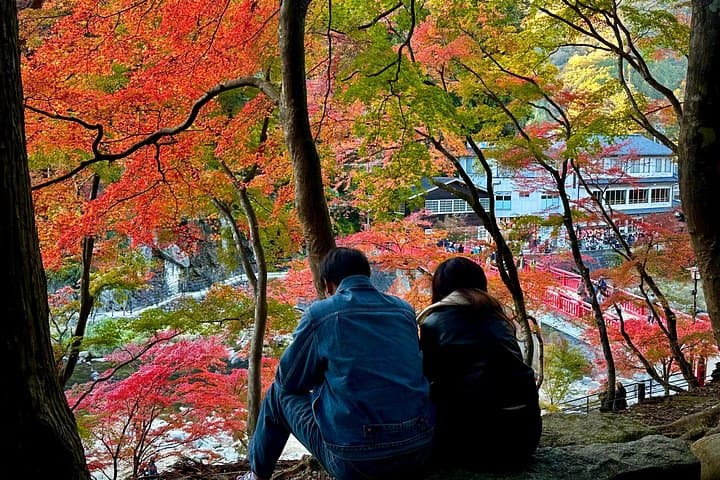
Aichi’s story here is both agricultural and artisanal. Toyokawa Inari has long blended Shinto and Buddhist practice; the island-like ridges of Korankei were sculpted by small tributaries cutting the basin’s soft volcanic deposits, now cloaked by 4,000 maples that steal autumn’s show. Sanshu Asuke Yashiki Village preserves rural Edo-era crafts—blacksmithing, indigo, woven sandals—practices tied to the area’s economy for centuries.
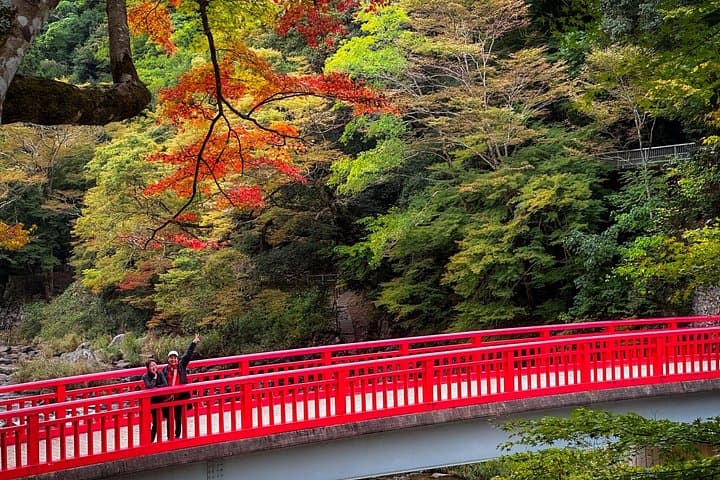
On the walk through Korankei Gorge expect well-maintained footpaths, short stair sections, and the iconic Tomoebashi Bridge framing abrupt color shifts in fall. Photography is continuous but so is the need to watch footing on mossy stones after rain.
Practical guidance: this is a full 8.5-hour day with moderate walking—pack layered clothing for variable mountain shade, a waterproof shell, and refillable water. Cash is useful for tastings and small crafts at Asuke. Aim for weekday mornings in autumn to avoid the largest crowds; bring comfortable shoes with good traction and a compact tripod if you shoot low-light interiors at the shrine.
moderate.
8–9 hours.
Moderate fitness: comfortable walking for 2–4 miles total with some stairs and standing time during transfers.
The tour runs about 8.5 hours with multiple short walks: roughly 2–4 miles total on mostly easy paths with some stair sections in Korankei.
Infants and small children can use strollers on most flat sections, but expect steps and uneven surfaces at some points—bringing a carrier is recommended for flexibility.
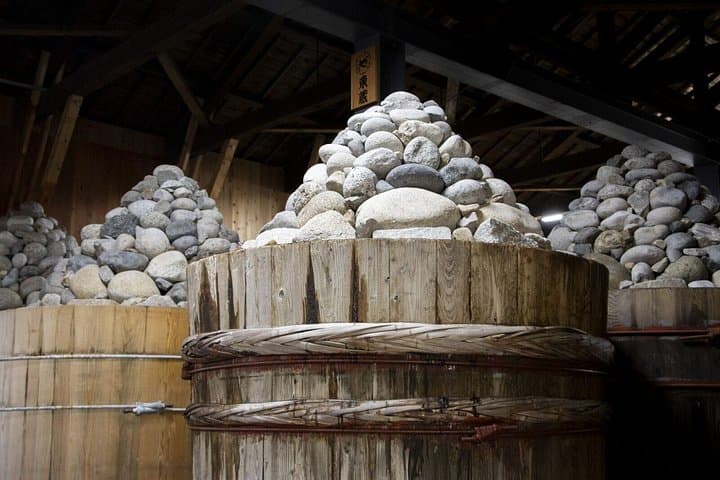
Yes, the miso factory visit includes a tasting; lunch at Toyokawa’s Omotesando is unstructured so you can choose local specialties like Inari sushi.
Moderate mobility limitations are manageable for parts of the tour, but visitors should note there are stairs and uneven ground; contact the operator about specific accessibility needs.
Toyokawa Inari is one of Japan’s major Inari complexes; the Asuke area grew as an agricultural and artisan hub tied to Aichi’s rice and craft economy.
Korankei manages visitor flow during peak foliage to protect root zones and riverbanks; stick to marked paths and support local craft shops rather than removing natural materials.
Snow Monkey Resorts Tours (Machinovate Japan Ltd.) operates guided outdoor trips and adventures with an emphasis on safety, stewardship, and memorable experiences.
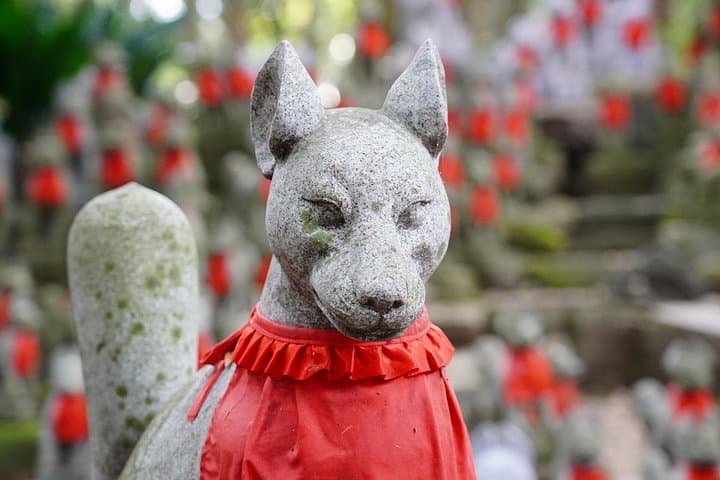
A cool morning on the highway out of Nagoya opens into river air and maple-shaded lanes; the bus eases into the Asuke valley and the smell of fermenting miso mingles with wood smoke from village stoves. You begin with Toyokawa Inari, where rows of stone foxes and vermilion temple gates set a devotional rhythm—an immediate sense of the region’s layered history.
A cool morning on the highway out of Nagoya opens into river air and maple-shaded lanes; the bus eases into the Asuke valley and the smell of fermenting miso mingles with wood smoke from village stoves. You begin with Toyokawa Inari, where rows of stone foxes and vermilion temple gates set a devotional rhythm—an immediate sense of the region’s layered history.
Aichi’s story here is both agricultural and artisanal. Toyokawa Inari has long blended Shinto and Buddhist practice; the island-like ridges of Korankei were sculpted by small tributaries cutting the basin’s soft volcanic deposits, now cloaked by 4,000 maples that steal autumn’s show. Sanshu Asuke Yashiki Village preserves rural Edo-era crafts—blacksmithing, indigo, woven sandals—practices tied to the area’s economy for centuries.
On the walk through Korankei Gorge expect well-maintained footpaths, short stair sections, and the iconic Tomoebashi Bridge framing abrupt color shifts in fall. Photography is continuous but so is the need to watch footing on mossy stones after rain.
Practical guidance: this is a full 8.5-hour day with moderate walking—pack layered clothing for variable mountain shade, a waterproof shell, and refillable water. Cash is useful for tastings and small crafts at Asuke. Aim for weekday mornings in autumn to avoid the largest crowds; bring comfortable shoes with good traction and a compact tripod if you shoot low-light interiors at the shrine.