THE ADVENTURE COLLECTIVE® · Independent discovery and booking for outdoor travel

A three-day trek from Tirana that climbs Albania’s highest peak—Korabi—through traditional mountain villages, alpine meadows, and a 1,490 m ascent on a 16.3 km round trip summit route. Expect long hiking days, rustic guesthouses, and dramatic high-country views.
A three-day trek from Tirana that climbs Albania’s highest peak—Korabi—through traditional mountain villages, alpine meadows, and a 1,490 m ascent on a 16.3 km round trip summit route. Expect long hiking days, rustic guesthouses, and dramatic high-country views.
You step off the minivan into a northern wind that seems to be reading the map for you—Korabi’s ridgelines cut clean against the sky while shepherds and dry-stone walls mark the lower slopes. Over three days the landscape tightens from patchwork fields and villages into bare limestone, alpine meadows, and the skeletal pines that guard the upper flanks.
Verified experiences and guided adventures in the surrounding area.
Operated by Go as Local · Peshkopi, Dibër County
You step off the minivan into a northern wind that seems to be reading the map for you—Korabi’s ridgelines cut clean against the sky while shepherds and dry-stone walls mark the lower slopes. Over three days the landscape tightens from patchwork fields and villages into bare limestone, alpine meadows, and the skeletal pines that guard the upper flanks.
Korabi (Mount Korab) is the highest point in Albania and a prominent summit in the Balkans. Geologically it’s a mix of Paleozoic schists and limestone, carved by ice in the last glacial period into cirques and sharp ridges. The Dibër region carries Ottoman and earlier Illyrian traces; villages like Rabdisht and Radomira keep traditional stone architecture and folk recipes alive. The route follows a section of the Via Dinarica network and crosses Fusha e Korabit, a historic departure point for emigrants in the 19th century.
Expect a long summit day: the standard Radomira approach is about 16.3 km round trip with roughly 1,490 m of elevation gain, roughly five hours up and three down at a steady pace. Trails vary from shepherd tracks to rocky bootpaths; some short scree and exposed sections require sure footing.
Practicalities: stay in guesthouses in Peshkopi or Radomira, start early to avoid afternoon weather, carry layered clothing, water for long stretches, and a GPS or map. Local hosts supply hearty breakfasts and dinners—use them to recharge. The experience is part cultural exchange, part hard-earned summit: bring patience, solid boots, and curiosity.
challenging.
3 days.
Good cardiovascular fitness and leg strength for sustained uphill hiking; able to carry a daypack for 8–10 hour mountain days.
The Radomira approach involves ~1,490 m elevation gain over about 8–9 hours round trip; it’s a long, steady climb best suited to fit hikers comfortable with steep, sustained ascents.
No technical gear is required for the standard route—sturdy boots, layers, and navigation tools are sufficient; winter conditions may require crampons and an ice axe.
Nights are spent in traditional guesthouses in Peshkopi and Radomira with shared rooms and home-cooked meals provided by local hosts.
Late spring through early autumn (June–September) generally offers the most stable conditions; snow can linger into late spring and appear early in autumn at high elevations.
Korabi sits on cultural crossroads—villages here preserved traditional stone architecture and were a documented departure area for 19th-century emigrants to the US.
Korabi Natural Park protects alpine meadows and endemic flora; stick to trails, pack out waste, and support local guesthouses to benefit the community and reduce pressure on fragile habitats.
Go as Local operates guided outdoor trips and adventures with an emphasis on safety, stewardship, and memorable experiences.
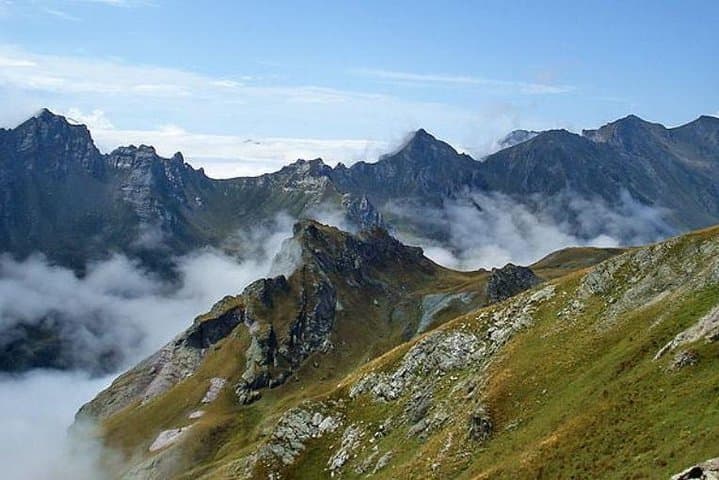
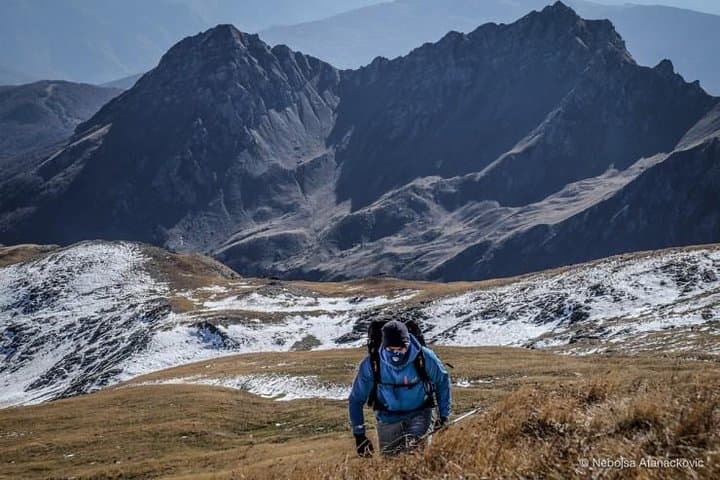
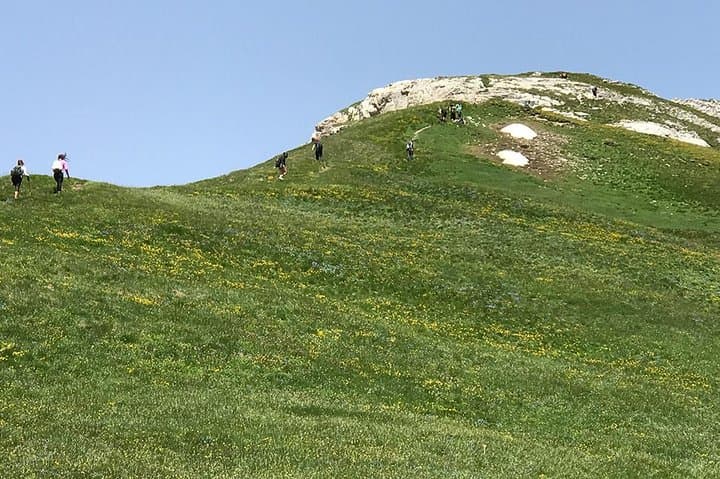
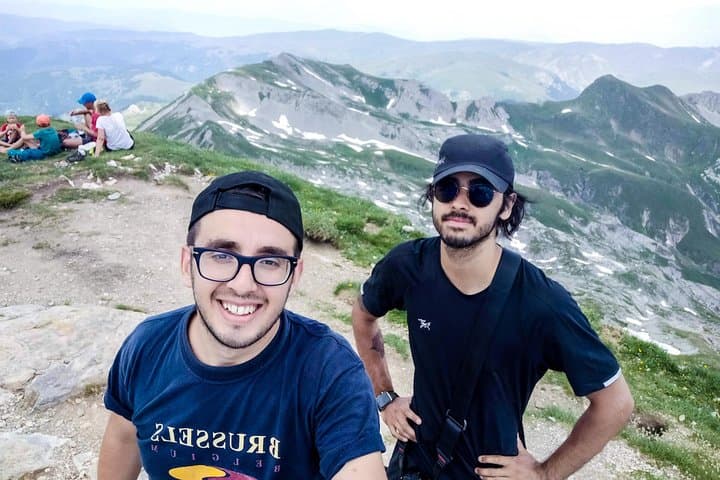
You step off the minivan into a northern wind that seems to be reading the map for you—Korabi’s ridgelines cut clean against the sky while shepherds and dry-stone walls mark the lower slopes. Over three days the landscape tightens from patchwork fields and villages into bare limestone, alpine meadows, and the skeletal pines that guard the upper flanks.
You step off the minivan into a northern wind that seems to be reading the map for you—Korabi’s ridgelines cut clean against the sky while shepherds and dry-stone walls mark the lower slopes. Over three days the landscape tightens from patchwork fields and villages into bare limestone, alpine meadows, and the skeletal pines that guard the upper flanks.
Korabi (Mount Korab) is the highest point in Albania and a prominent summit in the Balkans. Geologically it’s a mix of Paleozoic schists and limestone, carved by ice in the last glacial period into cirques and sharp ridges. The Dibër region carries Ottoman and earlier Illyrian traces; villages like Rabdisht and Radomira keep traditional stone architecture and folk recipes alive. The route follows a section of the Via Dinarica network and crosses Fusha e Korabit, a historic departure point for emigrants in the 19th century.
Expect a long summit day: the standard Radomira approach is about 16.3 km round trip with roughly 1,490 m of elevation gain, roughly five hours up and three down at a steady pace. Trails vary from shepherd tracks to rocky bootpaths; some short scree and exposed sections require sure footing.
Practicalities: stay in guesthouses in Peshkopi or Radomira, start early to avoid afternoon weather, carry layered clothing, water for long stretches, and a GPS or map. Local hosts supply hearty breakfasts and dinners—use them to recharge. The experience is part cultural exchange, part hard-earned summit: bring patience, solid boots, and curiosity.