THE ADVENTURE COLLECTIVE® · Independent discovery and booking for outdoor travel

Experience an intimate Sufi sema class in Konya where whirling dervishes explain the ritual’s meaning, teach a guided turn, and answer questions. This one-hour program pairs close-up performance with hands-on insight into Mevlevi tradition.
Experience an intimate Sufi sema class in Konya where whirling dervishes explain the ritual’s meaning, teach a guided turn, and answer questions. This one-hour program pairs close-up performance with hands-on insight into Mevlevi tradition.
The lights dim in a small dervish lodge and the room tightens around the slow, rising rhythm of ney and frame drum. A single white-robed figure begins to turn, then another, and the circle becomes a quiet, deliberate motion that draws the room inward. In Konya — the city where Rumi spent his final years — a Sufi Sema class offers a close, participatory view of that movement: you’ll watch, learn the history behind each gesture, and even try a controlled turn yourself.
Verified experiences and guided adventures in the surrounding area.
Operated by Sufi Homes · Konya, Konya Province
The lights dim in a small dervish lodge and the room tightens around the slow, rising rhythm of ney and frame drum. A single white-robed figure begins to turn, then another, and the circle becomes a quiet, deliberate motion that draws the room inward. In Konya — the city where Rumi spent his final years — a Sufi Sema class offers a close, participatory view of that movement: you’ll watch, learn the history behind each gesture, and even try a controlled turn yourself.
Konya sits on the high Anatolian plain, its dry earth and wide skies shaping a culture that has mixed Persian, Turkic and Ottoman influences for centuries. The Mevlevi order, founded on Rumi’s teachings in the 13th century, formalized the sema as a ritual of spiritual ascent; the costume, the music and the choreography each have codified meanings explained during the program.
This program usually takes place in an intimate lodge at Sufi Homes Hotel, running about 60 minutes. Hosts walk guests through garments, the symbolism of right- and left-handed turns, and the role of music — then open the floor for questions and photos. Expect a respectful atmosphere rather than a staged spectacle.
Practical guidance: book in advance, wear modest, non-restrictive clothing and flat shoes for your practice turn, and keep cameras on silent. The experience is accessible to most visitors but requires stillness and attention more than athleticism. For a memorable visit, combine the class with a daytime stroll to the nearby Mevlâna Museum and a cup of çay in an old stone courtyard.
easy.
1 hour.
Suitable for most visitors; minimal mobility needed beyond brief standing or a controlled turn during the lesson
The sema is a spiritual practice rooted in Mevlevi Sufism; classes balance respectful presentation with explanation for visitors rather than large theatrical staging.
Yes — the class often includes a supervised, brief lesson in controlled turning, but participation is optional and guided for safety and respect.
Children are usually welcome but should be able to sit quietly and follow etiquette; check the host’s age guidelines when booking.
The lodge is within Konya’s central area near major sites like the Mevlâna Museum — reachable by a short taxi or a 10–20 minute walk depending on your starting point.
Konya was the capital of the Seljuk Sultanate in the 12th–13th centuries and became the center for Jalaluddin Rumi’s Mevlevi order after his death.
Small cultural sites encourage low-impact visits — avoid touching historic textiles and support local conservation by following photography and behavior guidelines.
Sufi Homes operates guided outdoor trips and adventures with an emphasis on safety, stewardship, and memorable experiences.
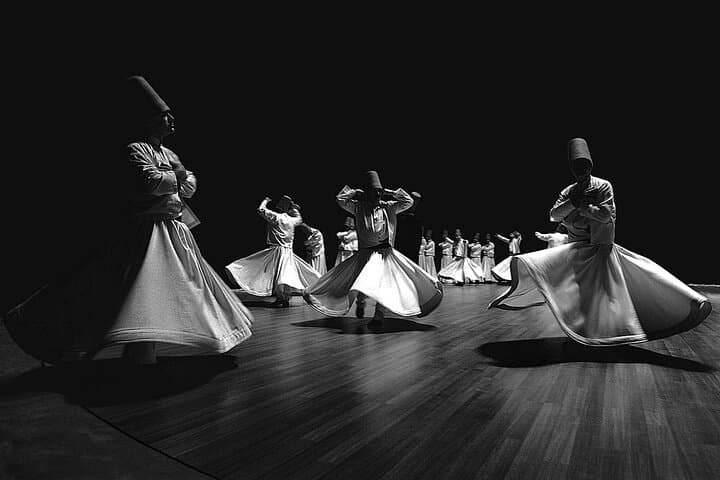
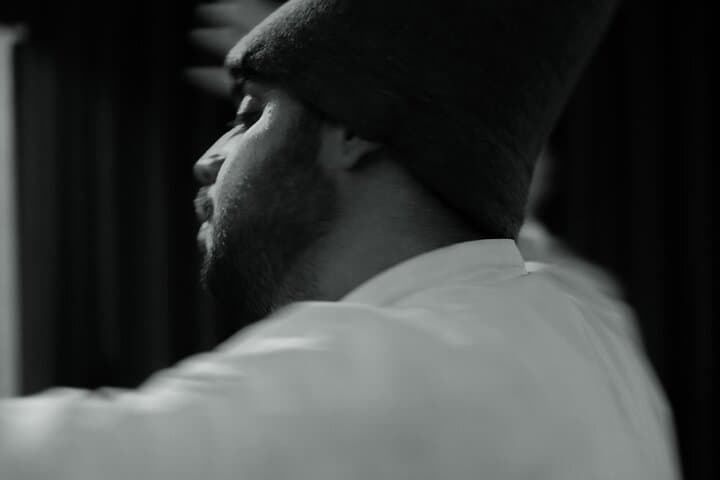
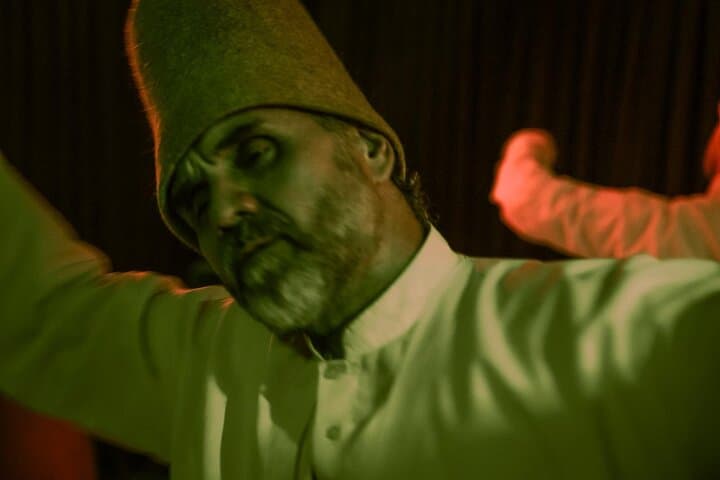
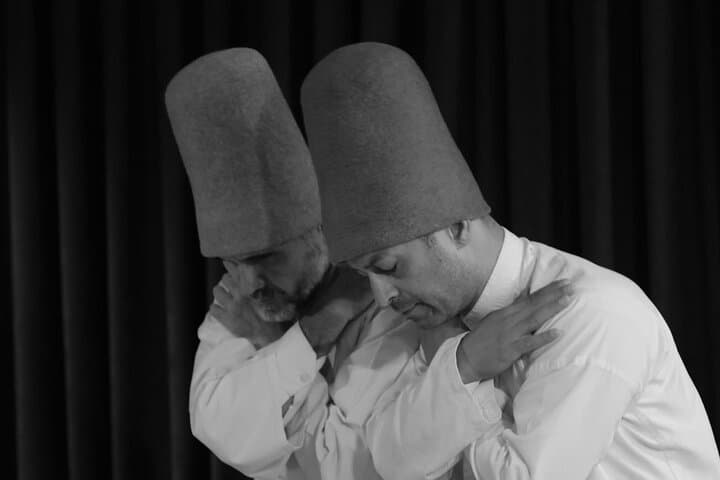
The lights dim in a small dervish lodge and the room tightens around the slow, rising rhythm of ney and frame drum. A single white-robed figure begins to turn, then another, and the circle becomes a quiet, deliberate motion that draws the room inward. In Konya — the city where Rumi spent his final years — a Sufi Sema class offers a close, participatory view of that movement: you’ll watch, learn the history behind each gesture, and even try a controlled turn yourself.
The lights dim in a small dervish lodge and the room tightens around the slow, rising rhythm of ney and frame drum. A single white-robed figure begins to turn, then another, and the circle becomes a quiet, deliberate motion that draws the room inward. In Konya — the city where Rumi spent his final years — a Sufi Sema class offers a close, participatory view of that movement: you’ll watch, learn the history behind each gesture, and even try a controlled turn yourself.
Konya sits on the high Anatolian plain, its dry earth and wide skies shaping a culture that has mixed Persian, Turkic and Ottoman influences for centuries. The Mevlevi order, founded on Rumi’s teachings in the 13th century, formalized the sema as a ritual of spiritual ascent; the costume, the music and the choreography each have codified meanings explained during the program.
This program usually takes place in an intimate lodge at Sufi Homes Hotel, running about 60 minutes. Hosts walk guests through garments, the symbolism of right- and left-handed turns, and the role of music — then open the floor for questions and photos. Expect a respectful atmosphere rather than a staged spectacle.
Practical guidance: book in advance, wear modest, non-restrictive clothing and flat shoes for your practice turn, and keep cameras on silent. The experience is accessible to most visitors but requires stillness and attention more than athleticism. For a memorable visit, combine the class with a daytime stroll to the nearby Mevlâna Museum and a cup of çay in an old stone courtyard.