THE ADVENTURE COLLECTIVE® · Independent discovery and booking for outdoor travel

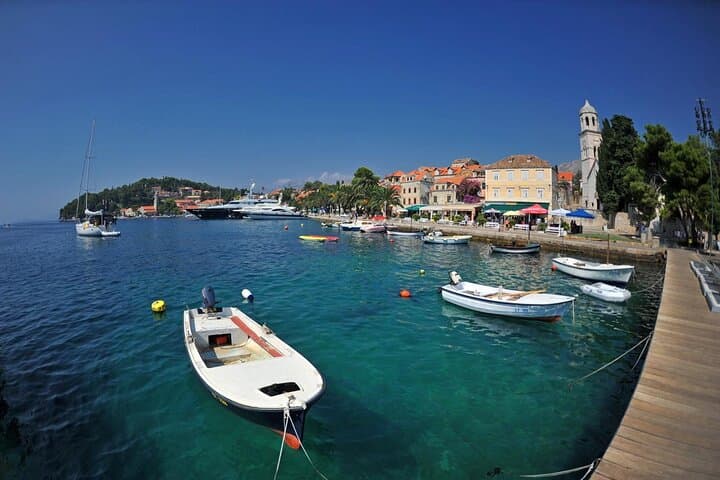
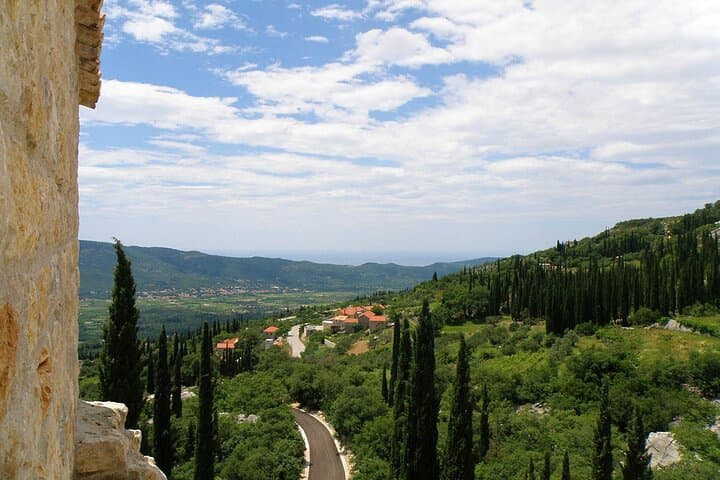
Drive the agricultural spine of southern Croatia on a 3–4 hour shared tour from Cavtat. Taste four local wines at a family winery, visit an archaeological site, and take in the sweeping Konavle valley and Ron Brown viewpoint.
Drive the agricultural spine of southern Croatia on a 3–4 hour shared tour from Cavtat. Taste four local wines at a family winery, visit an archaeological site, and take in the sweeping Konavle valley and Ron Brown viewpoint.
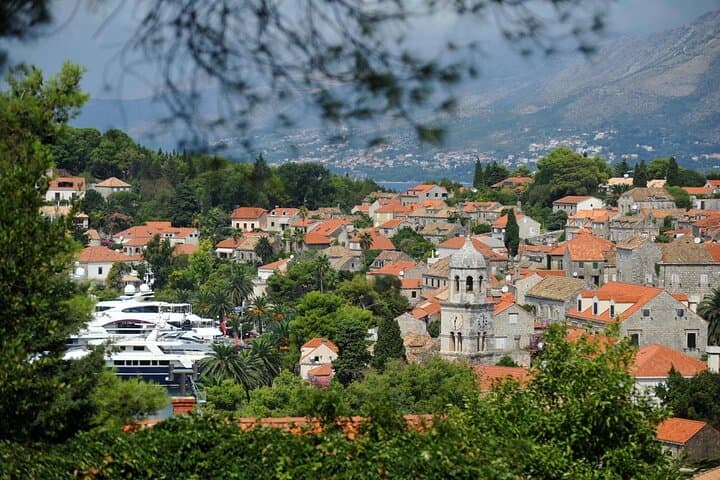
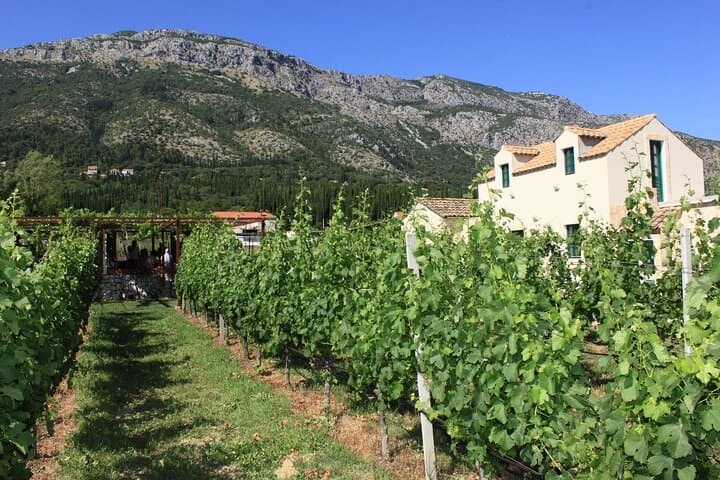
You step off the coast road and the farmland opens — low stone walls, olive trees leaning into the sea breeze, and rows of vines that angle toward the hinterland. The bus eases along the Konavle valley and the air smells of cut grass, wood smoke and sun-warmed grapes.
Verified experiences and guided adventures in the surrounding area.
Operated by DUBROVNIK TOP TRANSFERS · Cavtat, Dubrovnik-Neretva County
You step off the coast road and the farmland opens — low stone walls, olive trees leaning into the sea breeze, and rows of vines that angle toward the hinterland. The bus eases along the Konavle valley and the air smells of cut grass, wood smoke and sun-warmed grapes.
Konavle sits at Croatia's southern edge, a narrow agricultural strip where human history and karst geology meet. Terraced fields were carved into limestone for centuries; stone chapels and austere farmhouses reflect a rural culture that still makes food and wine at family scale. The tour threads through that history: a panoramic run past orchards, a viewpoint named for a local wartime pilot, and a short stop at an archaeological site that hints at Roman-era settlement. Wine here is pragmatic and local — small-production blends that pair with peka, grilled fish and olive oil pressed nearby.
Practicalities are straightforward. Expect a 3–4 hour shared tour with a guided tasting of four wines at one small winery, plus an optional lunch stop. Transport is seated and relaxed; dress for sun and rough stone if you step off the coach. Bring a light layer for coastal wind and a refillable water bottle to stay hydrated between tastings. If you plan to buy bottles, bring a credit card and a soft-sided carry bag.
Timing your visit for late afternoon light brings the valley into relief and avoids midday heat. Be ready to support family-run producers — their hospitality is the point of the trip.
easy.
3–4 hours.
Suitable for most fitness levels; the tour involves short, gentle walks and mostly seated transport.
Yes. The itinerary includes a guided tasting of four wines at one local winery.
No. Lunch is optional; the tour usually stops at a local restaurant where you can buy traditional dishes.
Pickup from Cavtat or a designated meeting point is typically arranged; confirm exact pickup details during booking.
Infants may sit on laps and infant seats are available, but the tour is not recommended for travelers with spinal injuries, pregnancy complications, or serious heart problems.
Konavle has a long agricultural tradition; its villages preserved folk music, costume and family-run food production that date back centuries.
Support small producers and stick to marked roads to protect fragile karst soils; avoid picking plants and carry out all trash.
DUBROVNIK TOP TRANSFERS operates guided outdoor trips and adventures with an emphasis on safety, stewardship, and memorable experiences.
You step off the coast road and the farmland opens — low stone walls, olive trees leaning into the sea breeze, and rows of vines that angle toward the hinterland. The bus eases along the Konavle valley and the air smells of cut grass, wood smoke and sun-warmed grapes.
You step off the coast road and the farmland opens — low stone walls, olive trees leaning into the sea breeze, and rows of vines that angle toward the hinterland. The bus eases along the Konavle valley and the air smells of cut grass, wood smoke and sun-warmed grapes.
Konavle sits at Croatia's southern edge, a narrow agricultural strip where human history and karst geology meet. Terraced fields were carved into limestone for centuries; stone chapels and austere farmhouses reflect a rural culture that still makes food and wine at family scale. The tour threads through that history: a panoramic run past orchards, a viewpoint named for a local wartime pilot, and a short stop at an archaeological site that hints at Roman-era settlement. Wine here is pragmatic and local — small-production blends that pair with peka, grilled fish and olive oil pressed nearby.
Practicalities are straightforward. Expect a 3–4 hour shared tour with a guided tasting of four wines at one small winery, plus an optional lunch stop. Transport is seated and relaxed; dress for sun and rough stone if you step off the coach. Bring a light layer for coastal wind and a refillable water bottle to stay hydrated between tastings. If you plan to buy bottles, bring a credit card and a soft-sided carry bag.
Timing your visit for late afternoon light brings the valley into relief and avoids midday heat. Be ready to support family-run producers — their hospitality is the point of the trip.