THE ADVENTURE COLLECTIVE® · Independent discovery and booking for outdoor travel

Escape Dubrovnik’s crowds for a full‑day in Konavle: a Cavtat walk, a panoramic drive and a hands‑on cooking class in a local household where traditional Dalmatian dishes are taught and shared.
Escape Dubrovnik’s crowds for a full‑day in Konavle: a Cavtat walk, a panoramic drive and a hands‑on cooking class in a local household where traditional Dalmatian dishes are taught and shared.
You leave Dubrovnik’s stone walls behind and the road slides down toward the Adriatic; olive groves and low karst ridges press in as the sea sighs on the horizon. In Cavtat, a tidy harbor town that began life as the Greek Epidaurum, a short walking loop leads past summer villas and waterfront cafés before the tour threads into Konavle’s open fields.
Verified experiences and guided adventures in the surrounding area.
Operated by Touch Croatia · Cavtat, Dubrovnik-Neretva County
You leave Dubrovnik’s stone walls behind and the road slides down toward the Adriatic; olive groves and low karst ridges press in as the sea sighs on the horizon. In Cavtat, a tidy harbor town that began life as the Greek Epidaurum, a short walking loop leads past summer villas and waterfront cafés before the tour threads into Konavle’s open fields.
Konavle is a working landscape—limestone outcrops, thin soils, spring-fed streams like the Ombla, and a culture built on sheep, olives, and vineyards. The area carries marks of Greek, Roman and Venetian rule, but it’s local family traditions—peka roasts, cured meats, simple cheeses and strong rakija—that define the taste profile you’ll learn to prepare. Hosts in the household teach recipes passed down over generations and explain seasonal preservation techniques.
The day combines a guided Cavtat walk, a scenic drive through Konavle’s villages and a hands-on cooking class in a family home. Expect practical demonstrations (kneading, using the peka lid, grilling over wood embers) and a shared table where you eat what you made. The pace is relaxed; physical demands are low but you’ll be on your feet for several hours.
Practical notes: hotel pickup in an air-conditioned Mercedes is typically included, so bring appetite, sunscreen, a reusable water bottle and a camera. If you have dietary restrictions tell the operator in advance. For quieter experiences, visit shoulder seasons when fields are greener and temperatures milder—summer brings heat but also ripe produce for the table.
easy.
8–9 hours.
Suitable for most fitness levels; light walking and standing during cooking.
Yes—most bookings include round‑trip pickup from Dubrovnik hotels in an air‑conditioned Mercedes.
Often yes, but you must specify allergies, vegetarian or other needs at booking so the host can prepare alternatives.
Light walking: a short guided loop in Cavtat and moving around the household kitchen; terrain is mostly paved or compact dirt.
Yes—families are welcome and the activity is rated physically easy, but kitchen work may require supervision for young children.
Cavtat began as the Greek colony Epidaurum; the Konavle plain served as agricultural hinterland under Roman and Venetian influence, preserving distinctive culinary traditions.
Tourism can strain water and local resources; choose operators who support household economies and avoid single‑use plastics to protect karst springs like the Ombla.
Touch Croatia operates guided outdoor trips and adventures with an emphasis on safety, stewardship, and memorable experiences.


You leave Dubrovnik’s stone walls behind and the road slides down toward the Adriatic; olive groves and low karst ridges press in as the sea sighs on the horizon. In Cavtat, a tidy harbor town that began life as the Greek Epidaurum, a short walking loop leads past summer villas and waterfront cafés before the tour threads into Konavle’s open fields.
You leave Dubrovnik’s stone walls behind and the road slides down toward the Adriatic; olive groves and low karst ridges press in as the sea sighs on the horizon. In Cavtat, a tidy harbor town that began life as the Greek Epidaurum, a short walking loop leads past summer villas and waterfront cafés before the tour threads into Konavle’s open fields.
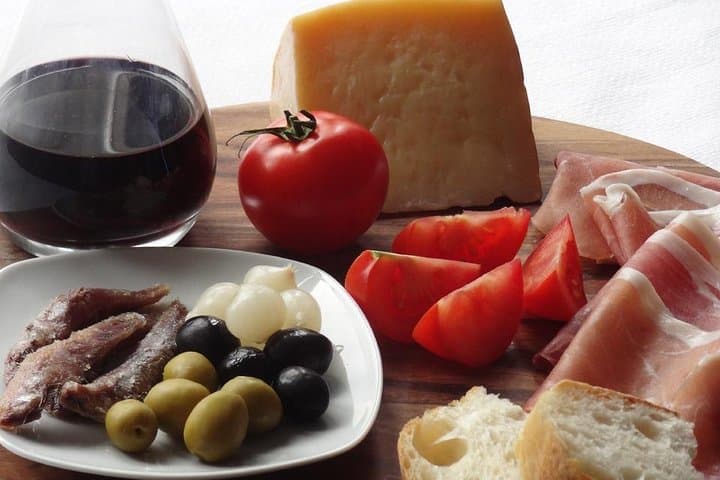
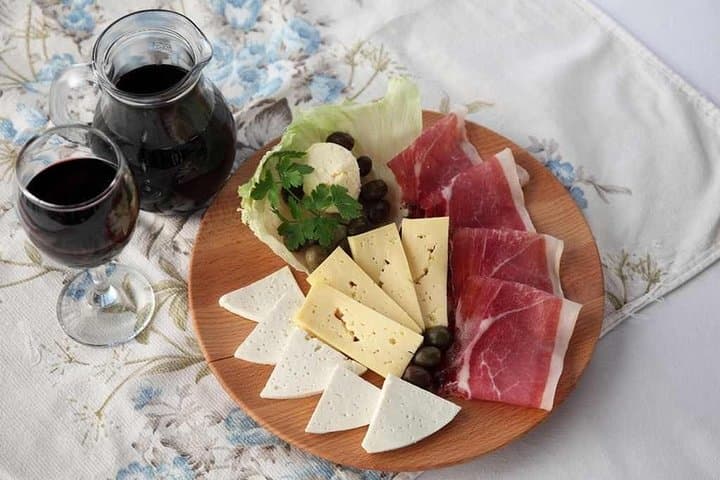
Konavle is a working landscape—limestone outcrops, thin soils, spring-fed streams like the Ombla, and a culture built on sheep, olives, and vineyards. The area carries marks of Greek, Roman and Venetian rule, but it’s local family traditions—peka roasts, cured meats, simple cheeses and strong rakija—that define the taste profile you’ll learn to prepare. Hosts in the household teach recipes passed down over generations and explain seasonal preservation techniques.
The day combines a guided Cavtat walk, a scenic drive through Konavle’s villages and a hands-on cooking class in a family home. Expect practical demonstrations (kneading, using the peka lid, grilling over wood embers) and a shared table where you eat what you made. The pace is relaxed; physical demands are low but you’ll be on your feet for several hours.
Practical notes: hotel pickup in an air-conditioned Mercedes is typically included, so bring appetite, sunscreen, a reusable water bottle and a camera. If you have dietary restrictions tell the operator in advance. For quieter experiences, visit shoulder seasons when fields are greener and temperatures milder—summer brings heat but also ripe produce for the table.