THE ADVENTURE COLLECTIVE® · Independent discovery and booking for outdoor travel

A relaxed half-day private drive from Dubrovnik that pairs Mt. Srd panoramas and Cavtat’s Greek-ruin charm with Konavle’s mills and the medieval Sokol tower. Perfect for history-minded travelers who want coastal views without a full-day trek.
A relaxed half-day private drive from Dubrovnik that pairs Mt. Srd panoramas and Cavtat’s Greek-ruin charm with Konavle’s mills and the medieval Sokol tower. Perfect for history-minded travelers who want coastal views without a full-day trek.
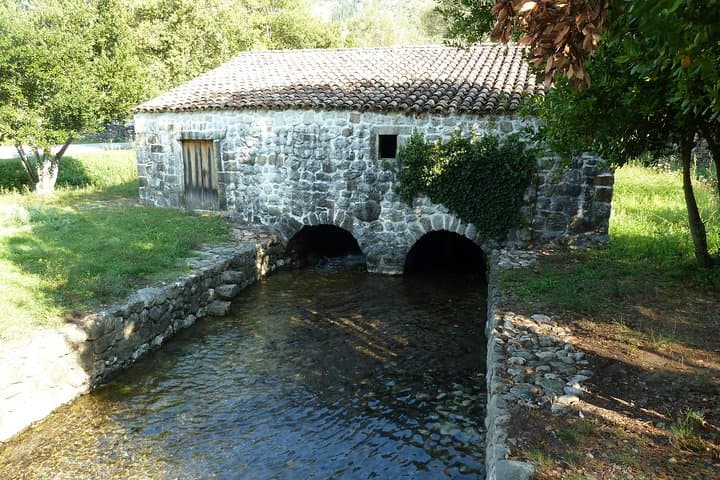
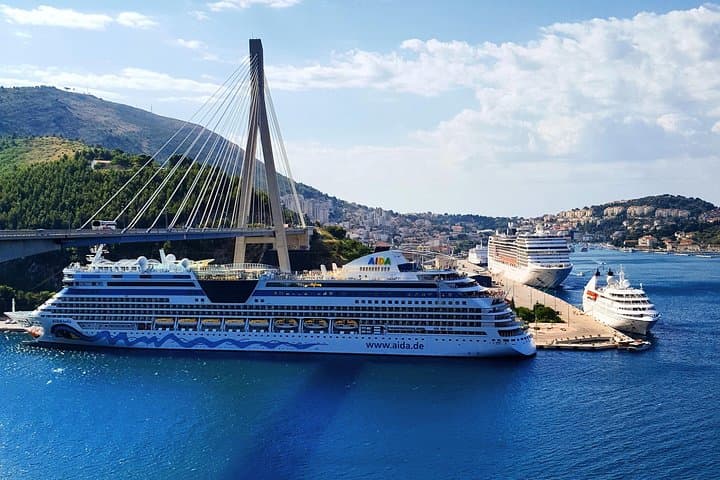
The van eases away from Dubrovnik’s walled silhouette and the air opens to limestone ridges, scrub, and a coastline that keeps leaning south until it meets the open Adriatic. You’ll feel the countryside shift—olive terraces give way to karst cliffs and small harbors—on a half-day route that stitches Mt. Srd viewpoints, Cavtat’s old quay, and the low stone mills beside the Ljuta.
Verified experiences and guided adventures in the surrounding area.
Operated by Dubrovnik Tours - Horizon · Cavtat, Dubrovnik-Neretva County
The van eases away from Dubrovnik’s walled silhouette and the air opens to limestone ridges, scrub, and a coastline that keeps leaning south until it meets the open Adriatic. You’ll feel the countryside shift—olive terraces give way to karst cliffs and small harbors—on a half-day route that stitches Mt. Srd viewpoints, Cavtat’s old quay, and the low stone mills beside the Ljuta.
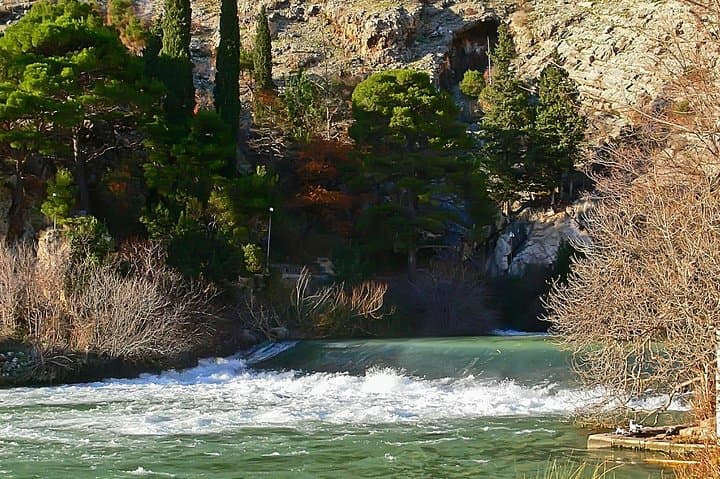
History presses quietly into the landscape. Cavtat sits over Epidaurum, a Greek colony founded in 228 BC, while Fort Imperial on Mt. Srd holds exhibits from the Homeland War. The Konavle plain is shaped by karst geology: sinking streams, springs like the Ombla that suddenly appear, and small aqueducts that fed medieval mills. The Sokol watchtower, dating to the 13th century, still reads as a strategic punctuation above the fields.
Expect short walks, photo stops, and a mix of vehicle transfer and on-foot exploration. The guide points out architectural details, local olive cultivation, and the fast, clean watercourses that once powered grindstones. If time allows, a cooling dip in Molunat’s clear water is an option—the sea here tends to be calm and inviting.
Practical guidance: plan for 6–7 hours total, bring sturdy walking shoes and sun protection, and leave cash for small museum admissions or a seaside café. The route is suitable for most fitness levels but includes some uneven surfaces and short stone steps. Travel light, keep a refillable bottle, and let the tide of the countryside push you forward—this is an accessible, historically rich day that balances scenic panoramas with hands-on local color.
easy.
6–7 hours.
Light walking ability with occasional short walks on uneven surfaces; suitable for most fitness levels.
The private tour runs approximately 6–7 hours (360–420 minutes), including transfers, short walks, and stops.
Yes—this is rated easy and includes vehicle transfers; however, children should be supervised on uneven surfaces and near cliffs.
Some stops list admission required (for example Fort Imperial); check the booking details or ask your guide about entrance fees.
Swimming is optional and seasonal; if you want to swim, bring swimwear and a towel—conditions are typically calm but always exercise usual sea safety.
The Cavtat area overlays Epidaurum, an ancient Greek settlement from 228 BC; medieval watchtowers like Sokol controlled land routes through Konavle.
This coastline has sensitive karst and marine habitats—avoid coastal trampling, pack out waste, and use reef-safe sunscreen to protect sea life.
Dubrovnik Tours - Horizon operates guided outdoor trips and adventures with an emphasis on safety, stewardship, and memorable experiences.
The van eases away from Dubrovnik’s walled silhouette and the air opens to limestone ridges, scrub, and a coastline that keeps leaning south until it meets the open Adriatic. You’ll feel the countryside shift—olive terraces give way to karst cliffs and small harbors—on a half-day route that stitches Mt. Srd viewpoints, Cavtat’s old quay, and the low stone mills beside the Ljuta.
The van eases away from Dubrovnik’s walled silhouette and the air opens to limestone ridges, scrub, and a coastline that keeps leaning south until it meets the open Adriatic. You’ll feel the countryside shift—olive terraces give way to karst cliffs and small harbors—on a half-day route that stitches Mt. Srd viewpoints, Cavtat’s old quay, and the low stone mills beside the Ljuta.
History presses quietly into the landscape. Cavtat sits over Epidaurum, a Greek colony founded in 228 BC, while Fort Imperial on Mt. Srd holds exhibits from the Homeland War. The Konavle plain is shaped by karst geology: sinking streams, springs like the Ombla that suddenly appear, and small aqueducts that fed medieval mills. The Sokol watchtower, dating to the 13th century, still reads as a strategic punctuation above the fields.
Expect short walks, photo stops, and a mix of vehicle transfer and on-foot exploration. The guide points out architectural details, local olive cultivation, and the fast, clean watercourses that once powered grindstones. If time allows, a cooling dip in Molunat’s clear water is an option—the sea here tends to be calm and inviting.
Practical guidance: plan for 6–7 hours total, bring sturdy walking shoes and sun protection, and leave cash for small museum admissions or a seaside café. The route is suitable for most fitness levels but includes some uneven surfaces and short stone steps. Travel light, keep a refillable bottle, and let the tide of the countryside push you forward—this is an accessible, historically rich day that balances scenic panoramas with hands-on local color.