THE ADVENTURE COLLECTIVE® · Independent discovery and booking for outdoor travel

Spend a full day from Bhubaneswar exploring the 13th‑century Konark Sun Temple and the ecological expanse of Chilika Lake. Expect carved stone chariots, migratory bird flocks, and a boat ride through dolphin‑frequent channels.
Spend a full day from Bhubaneswar exploring the 13th‑century Konark Sun Temple and the ecological expanse of Chilika Lake. Expect carved stone chariots, migratory bird flocks, and a boat ride through dolphin‑frequent channels.
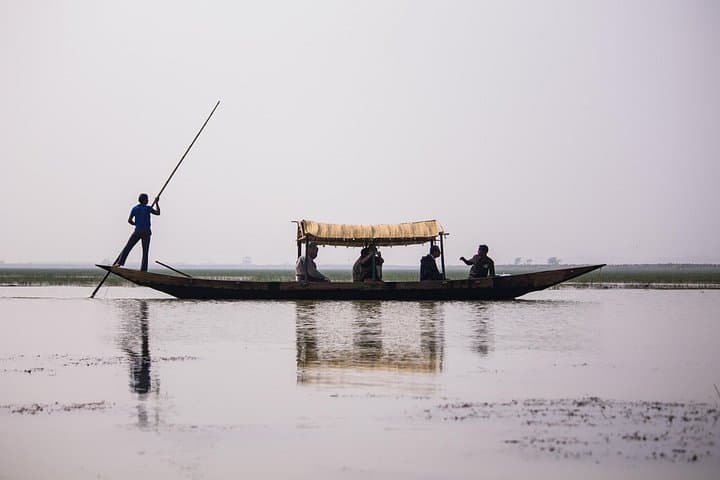
A salt-tinged breeze meets the highway as you leave Bhubaneswar before dawn, the city skyline shrinking while rice paddies and casuarina rows slide past. By midmorning the Sun Temple’s silhouette appears—stone wheels and horse reliefs cut against the sky—and later the lagoon opens up: shallow green water, fishing boats bobbing, and islands that seem to float.
Verified experiences and guided adventures in the surrounding area.
Operated by BARBIL TOURS · Konark, Odisha
A salt-tinged breeze meets the highway as you leave Bhubaneswar before dawn, the city skyline shrinking while rice paddies and casuarina rows slide past. By midmorning the Sun Temple’s silhouette appears—stone wheels and horse reliefs cut against the sky—and later the lagoon opens up: shallow green water, fishing boats bobbing, and islands that seem to float.
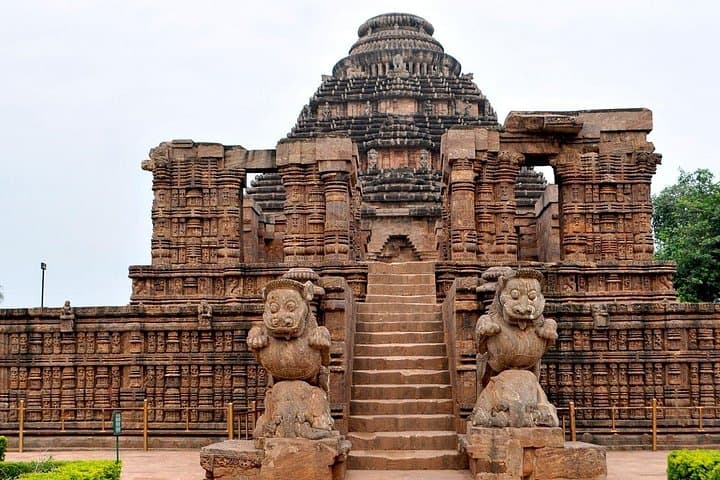
The Sun Temple at Konark, built in the 13th century by King Narasimhadeva I, is a high point of Kalinga architecture — a carved stone chariot whose wheels still read like astronomical instruments. Chilika Lake is a contrasting story: a vast brackish lagoon fed by the Daya River, shaped by monsoon silt and tidal exchange, and long used by coastal communities for fishery and salt trade.
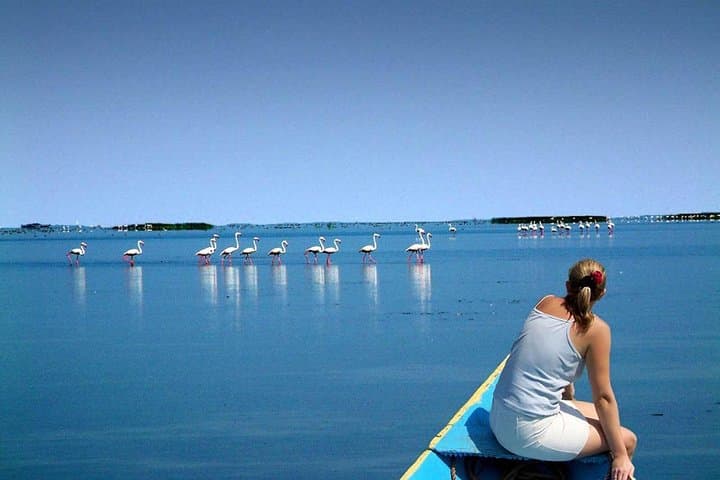
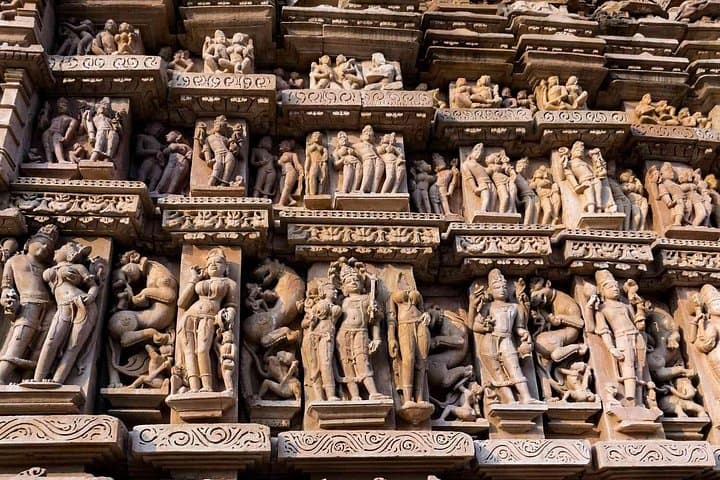
Culturally the route threads coastal Odisha life: fishermen mending nets, shrimp processors on the shore, and temple sculptures that record rituals and royal ambition. Ecologically, Chilika is dynamic — a wintering ground for migratory waterbirds and a narrow channel where Irrawaddy dolphins surface.
Practical guidance: start early (10–12 hour day), bring sun protection and a light rain layer, and wear sturdy shoes for uneven temple platforms. Boat rides are seasonal and best in calm conditions; mornings offer the quietest bird activity and higher dolphin sighting likelihood. Carry small cash for local stalls—the tour includes lunch and vehicle pickup/drop-off, but restrooms between sites are basic. Respect nesting birds, keep distance from dolphins, and leave no trace on beaches and islands.
easy.
10–12 hours.
Suitable for people with average fitness—comfortable walking, some short uneven stone steps at the temple, and a few minutes on small boats.
Yes—this private day tour typically includes round‑trip pickup and drop‑off within Bhubaneswar as part of the booking.
Admission is shown as included for the Sun Temple and Chilika components in the itinerary, but confirm at booking for any optional local charges.
Birds peak in winter (November–March); dolphins are more reliably seen in calm mornings year‑round, but sightings increase in the cooler months.
The tour notes stroller accessibility for infants on the vehicle portion, but expect uneven surfaces at the temple and on small boats where a carrier is preferable.
Konark’s Sun Temple was completed in the 13th century under the Eastern Ganga dynasty and built as a stone chariot to the Sun God, illustrating advanced temple sculpture and astronomical motifs.
Chilika is a designated Ramsar site with active restoration and community fishery management; visitors should avoid plastic, respect nesting areas, and support local guides to sustain livelihoods.
BARBIL TOURS operates guided outdoor trips and adventures with an emphasis on safety, stewardship, and memorable experiences.
A salt-tinged breeze meets the highway as you leave Bhubaneswar before dawn, the city skyline shrinking while rice paddies and casuarina rows slide past. By midmorning the Sun Temple’s silhouette appears—stone wheels and horse reliefs cut against the sky—and later the lagoon opens up: shallow green water, fishing boats bobbing, and islands that seem to float.
A salt-tinged breeze meets the highway as you leave Bhubaneswar before dawn, the city skyline shrinking while rice paddies and casuarina rows slide past. By midmorning the Sun Temple’s silhouette appears—stone wheels and horse reliefs cut against the sky—and later the lagoon opens up: shallow green water, fishing boats bobbing, and islands that seem to float.
The Sun Temple at Konark, built in the 13th century by King Narasimhadeva I, is a high point of Kalinga architecture — a carved stone chariot whose wheels still read like astronomical instruments. Chilika Lake is a contrasting story: a vast brackish lagoon fed by the Daya River, shaped by monsoon silt and tidal exchange, and long used by coastal communities for fishery and salt trade.
Culturally the route threads coastal Odisha life: fishermen mending nets, shrimp processors on the shore, and temple sculptures that record rituals and royal ambition. Ecologically, Chilika is dynamic — a wintering ground for migratory waterbirds and a narrow channel where Irrawaddy dolphins surface.
Practical guidance: start early (10–12 hour day), bring sun protection and a light rain layer, and wear sturdy shoes for uneven temple platforms. Boat rides are seasonal and best in calm conditions; mornings offer the quietest bird activity and higher dolphin sighting likelihood. Carry small cash for local stalls—the tour includes lunch and vehicle pickup/drop-off, but restrooms between sites are basic. Respect nesting birds, keep distance from dolphins, and leave no trace on beaches and islands.