THE ADVENTURE COLLECTIVE® · Independent discovery and booking for outdoor travel

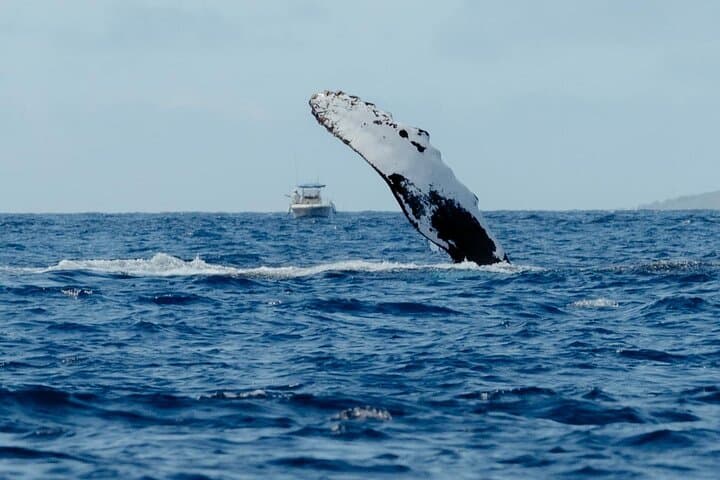
Board from Honokohau Harbor for a two-hour search of migrating humpbacks off Kona. Expect quiet stretches of scanning punctuated by sudden breaches and the possibility of hearing whale song through the hydrophone.
Board from Honokohau Harbor for a two-hour search of migrating humpbacks off Kona. Expect quiet stretches of scanning punctuated by sudden breaches and the possibility of hearing whale song through the hydrophone.
You step off the dock and the Pacific opens, blue and articulate, the harbor's brown-roofed pavilion shrinking behind you as the boat cuts a clean line toward deeper water.
Verified experiences and guided adventures in the surrounding area.
Operated by Ocean Eco Tours · Kailua-Kona, Hawaii
You step off the dock and the Pacific opens, blue and articulate, the harbor's brown-roofed pavilion shrinking behind you as the boat cuts a clean line toward deeper water.
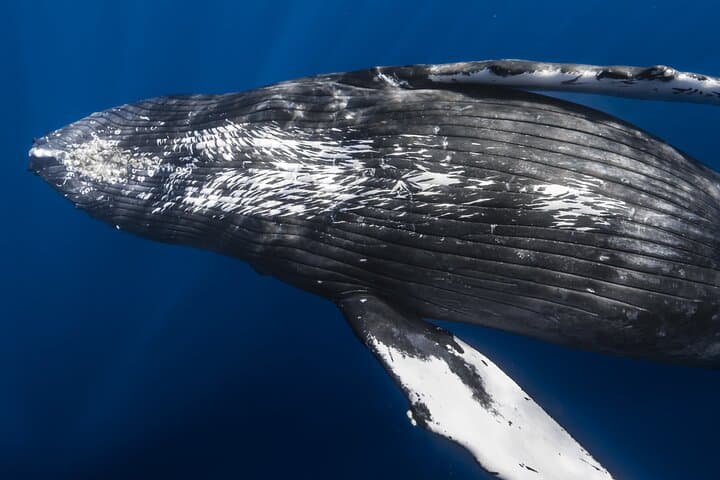
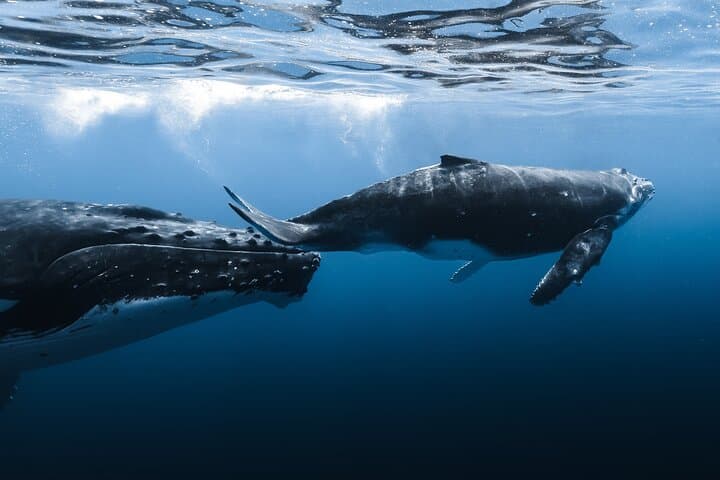
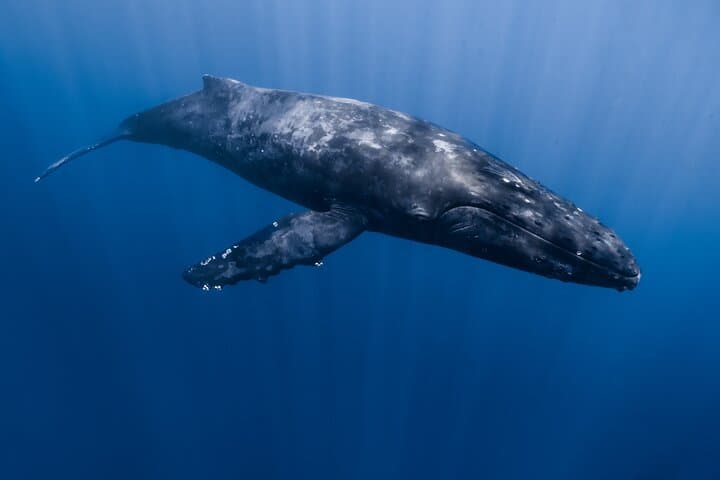
In winter months humpback whales migrate into Hawaiian waters to breed and nurse; on a clear day their spouts puncture the horizon like punctuation, tails flashing as the ocean seems to answer. Guides lower a hydrophone and the sea begins to speak — a low, pulsing chorus that can vibrate through the hull and into your ribs.
The Big Island’s coastline is born of recent lava flows; underwater shelves, black basalt cliffs and shallow reef flats shape where whales travel and surface. Native Hawaiian culture treats these visitors with respect: whales (kohola) appear in chants and stories as kin and omen, and modern operators follow watch codes to avoid disturbance.
Practically: the trip launches from Honokohau/Kailua-Kona harbor and runs about two hours, with light snacks provided and room for all fitness levels. Expect gentle motion and periods of patient searching interrupted by sudden, spectacular breaches. Bring sun protection and a wind layer; binoculars and a calm attitude improve the experience. Hydrophone listening depends on proximity and sea state — you may hear haunting songs if a male is near.
This is a short, accessible outing that balances close viewing with conservation-minded distance. It’s ideal for families and first-time whale watchers who want an intimate, guided encounter without an arduous commitment.
easy.
2 hours.
Suitable for all fitness levels; participants should be able to step aboard a small vessel and stand for short periods.
No—operators search known migration corridors and have high encounter rates in season (December–April), but sightings cannot be guaranteed due to whale movements and weather.
Yes, when close enough operators deploy a hydrophone; song audibility depends on distance, sea state and the whales’ activity.
Yes—trips are family-friendly; infants must sit on an adult’s lap and life jackets are available in appropriate sizes.
Tours may run in light conditions; operators follow safety protocols and refund if canceled at least 24 hours before departure per the stated policy.
Humpbacks have visited Hawaiian breeding grounds for millennia; local Hawaiian culture recognizes kohola in chants and as seasonal visitors with spiritual significance.
Operators follow NOAA and local guidelines to keep respectful distances and avoid repeated approaches; choose guides who prioritize non-invasive viewing and limit time near animals.
Ocean Eco Tours operates guided outdoor trips and adventures with an emphasis on safety, stewardship, and memorable experiences.
You step off the dock and the Pacific opens, blue and articulate, the harbor's brown-roofed pavilion shrinking behind you as the boat cuts a clean line toward deeper water.
You step off the dock and the Pacific opens, blue and articulate, the harbor's brown-roofed pavilion shrinking behind you as the boat cuts a clean line toward deeper water.
In winter months humpback whales migrate into Hawaiian waters to breed and nurse; on a clear day their spouts puncture the horizon like punctuation, tails flashing as the ocean seems to answer. Guides lower a hydrophone and the sea begins to speak — a low, pulsing chorus that can vibrate through the hull and into your ribs.
The Big Island’s coastline is born of recent lava flows; underwater shelves, black basalt cliffs and shallow reef flats shape where whales travel and surface. Native Hawaiian culture treats these visitors with respect: whales (kohola) appear in chants and stories as kin and omen, and modern operators follow watch codes to avoid disturbance.
Practically: the trip launches from Honokohau/Kailua-Kona harbor and runs about two hours, with light snacks provided and room for all fitness levels. Expect gentle motion and periods of patient searching interrupted by sudden, spectacular breaches. Bring sun protection and a wind layer; binoculars and a calm attitude improve the experience. Hydrophone listening depends on proximity and sea state — you may hear haunting songs if a male is near.
This is a short, accessible outing that balances close viewing with conservation-minded distance. It’s ideal for families and first-time whale watchers who want an intimate, guided encounter without an arduous commitment.