THE ADVENTURE COLLECTIVE® · Independent discovery and booking for outdoor travel

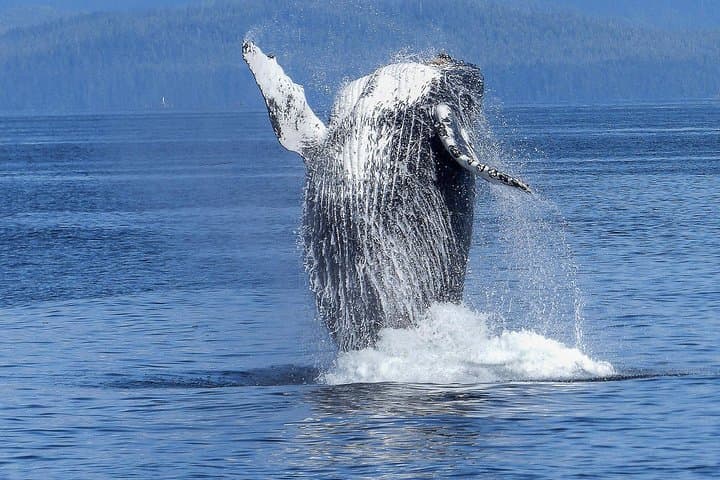
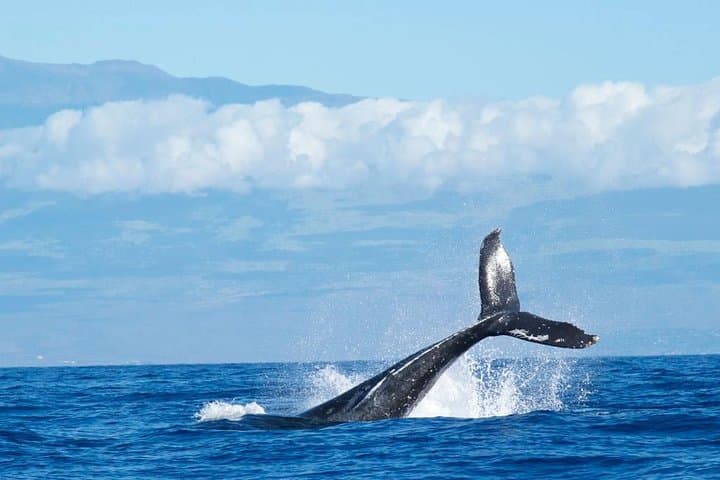
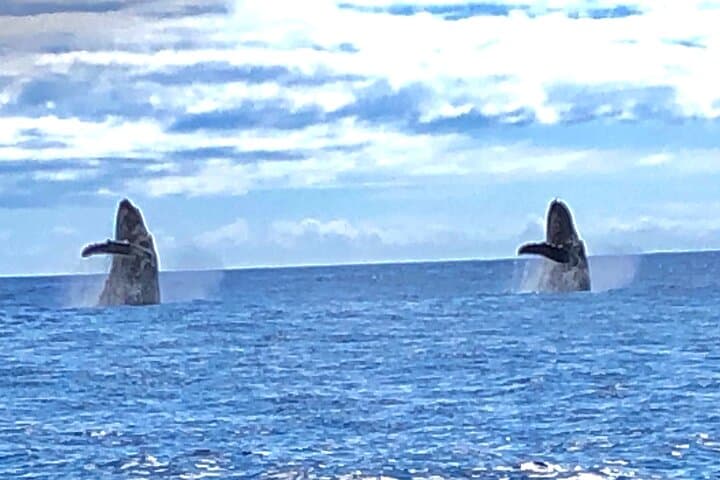
Cruise Keauhou Bay aboard a rigid‑hull inflatable to find spinner dolphins year‑round and humpback whales seasonally (Dec–Mar). Naturalist guides, hydrophone listening and narrated coastline geology make this a focused, educational marine wildlife watch.
Cruise Keauhou Bay aboard a rigid‑hull inflatable to find spinner dolphins year‑round and humpback whales seasonally (Dec–Mar). Naturalist guides, hydrophone listening and narrated coastline geology make this a focused, educational marine wildlife watch.
The RHIB bumps free of Keauhou Bay and the shoreline slides away: lava cliffs fade to a hard blue, trade winds drafting the surface into quick, glittering ribs. On a clear morning the captain narrows the throttle, scans the horizon and the crew leans toward a distant blow—already the ocean is speaking.
Verified experiences and guided adventures in the surrounding area.
Operated by Dolphin Discoveries · Kailua-Kona, Hawaii
The RHIB bumps free of Keauhou Bay and the shoreline slides away: lava cliffs fade to a hard blue, trade winds drafting the surface into quick, glittering ribs. On a clear morning the captain narrows the throttle, scans the horizon and the crew leans toward a distant blow—already the ocean is speaking.
This Kona watch focuses on cetaceans common to Hawai‘i’s west coast: Hawaiian spinner dolphins, bottlenose and spotted dolphins year‑round, and humpback whales that arrive to breed and calve between December and March. The island’s volcanic flank drops steeply into deep water here, creating offshore channels that funnel nutrients and attract marine life; ancient Hawaiians knew these currents as reliable fishing grounds and modern naturalists rely on them to find pods and migrating whales.
Cultural context is part of the cruise: captains often point out wahi pana (storied places) along the coast and explain how geology shaped settlement and modern Kona life. Onboard hydrophones let you hear low, pulsing whale song and high‑pitched dolphin clicks—sound that seems to tug at the hull’s bones.
Practicalities: tours run about 3.5 hours including check‑in at Keauhou Shopping Center; boats are rigid hull inflatables and operate as barefoot decks. Restrooms are on shore only, so plan accordingly. Bring sun protection, a wind layer, a camera with a telephoto lens, and seasickness medicine if you’re sensitive—the Pacific can turn from glass to chop quickly. Expect narration from naturalist guides, photo opportunities from close but respectful distances, and fast, interpretive learning about marine behavior and conservation. If conditions are unsafe, operators will reschedule; cancellations are allowed 24+ hours ahead.
easy.
3.5 hours.
Suitable for most fitness levels; ability to climb a short gangway and stand for stretches recommended
Suitable for ages 5 and up; children must be accompanied by an adult.
This is a non‑snorkeling cruise focused on observation and listening via hydrophone—no water entry is included.
Operators will contact you to reschedule or refund if conditions are unsafe; cancel within 24 hours for a full refund per policy.
No—restrooms are available at Keauhou Bay before boarding; plan accordingly.
Keauhou and Kona were long used by Native Hawaiian fishers and voyagers; the steep offshore bathymetry created predictable marine habitats that supported communities and later scientific study.
Operators follow NOAA and local guidelines for viewing distances and limit interaction; use reef‑safe sunscreens and avoid disposing of plastics at sea to reduce impacts.
Dolphin Discoveries operates guided outdoor trips and adventures with an emphasis on safety, stewardship, and memorable experiences.
The RHIB bumps free of Keauhou Bay and the shoreline slides away: lava cliffs fade to a hard blue, trade winds drafting the surface into quick, glittering ribs. On a clear morning the captain narrows the throttle, scans the horizon and the crew leans toward a distant blow—already the ocean is speaking.
The RHIB bumps free of Keauhou Bay and the shoreline slides away: lava cliffs fade to a hard blue, trade winds drafting the surface into quick, glittering ribs. On a clear morning the captain narrows the throttle, scans the horizon and the crew leans toward a distant blow—already the ocean is speaking.
This Kona watch focuses on cetaceans common to Hawai‘i’s west coast: Hawaiian spinner dolphins, bottlenose and spotted dolphins year‑round, and humpback whales that arrive to breed and calve between December and March. The island’s volcanic flank drops steeply into deep water here, creating offshore channels that funnel nutrients and attract marine life; ancient Hawaiians knew these currents as reliable fishing grounds and modern naturalists rely on them to find pods and migrating whales.
Cultural context is part of the cruise: captains often point out wahi pana (storied places) along the coast and explain how geology shaped settlement and modern Kona life. Onboard hydrophones let you hear low, pulsing whale song and high‑pitched dolphin clicks—sound that seems to tug at the hull’s bones.
Practicalities: tours run about 3.5 hours including check‑in at Keauhou Shopping Center; boats are rigid hull inflatables and operate as barefoot decks. Restrooms are on shore only, so plan accordingly. Bring sun protection, a wind layer, a camera with a telephoto lens, and seasickness medicine if you’re sensitive—the Pacific can turn from glass to chop quickly. Expect narration from naturalist guides, photo opportunities from close but respectful distances, and fast, interpretive learning about marine behavior and conservation. If conditions are unsafe, operators will reschedule; cancellations are allowed 24+ hours ahead.