THE ADVENTURE COLLECTIVE® · Independent discovery and booking for outdoor travel

Launch from Honokohau for two morning scuba dives and guided snorkeling around Kona’s lava-formed reefs. Expect clear visibility, frequent turtle and dolphin sightings, and hands-on sea-life education from local guides.
Launch from Honokohau for two morning scuba dives and guided snorkeling around Kona’s lava-formed reefs. Expect clear visibility, frequent turtle and dolphin sightings, and hands-on sea-life education from local guides.
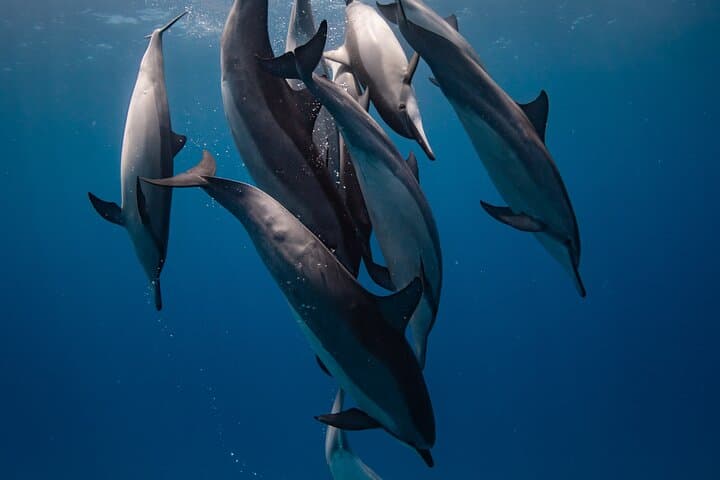
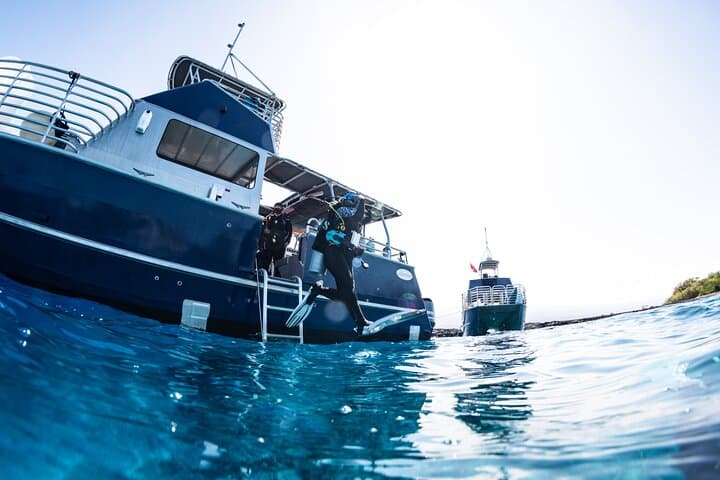
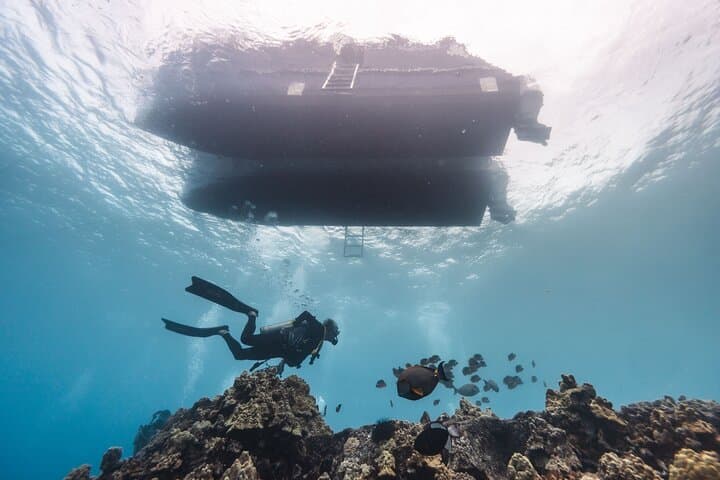
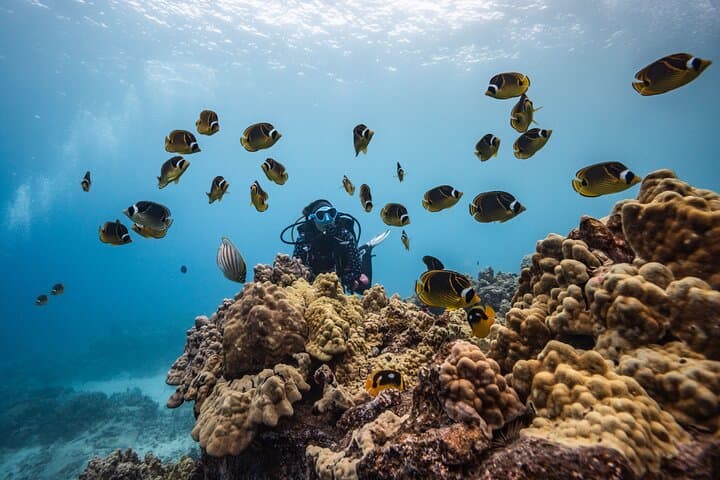
The boat slips away from Honokohau as trade winds lift the sea into a blue sheet; spray cools your face and the island shrinks to a green ridge. Underwater, the reef waits—lava-formed walls, tunnels, and coral gardens alive with motion. Dolphins often skirt the bow while turtles paddles through sunbeams, and the first tank drops you into clear water where schools and endemic species move with quiet purpose.
Verified experiences and guided adventures in the surrounding area.
Operated by Aquatic Life Divers · Kailua-Kona, Hawaii
The boat slips away from Honokohau as trade winds lift the sea into a blue sheet; spray cools your face and the island shrinks to a green ridge. Underwater, the reef waits—lava-formed walls, tunnels, and coral gardens alive with motion. Dolphins often skirt the bow while turtles paddles through sunbeams, and the first tank drops you into clear water where schools and endemic species move with quiet purpose.
Big Island’s coastline is sculpted by recent volcanism. Basalt flows and underwater lava tubes create steep drop-offs and sheltered pockets that concentrate fish and corals. Culturally, Kona’s waters have long fed and guided islanders; today local guides blend marine biology lessons with rescue-minded safety practices.
Expect two morning dives with a snorkel option between or alongside for mixed-ability groups. Typical sites are shallow reef tops (10–50 ft) and deeper walls; visibility is commonly 50–100 ft depending on swell and season. Guides point out endemic reef fish, green sea turtles, and coral formations while discussing reef etiquette—no touching, no finning on coral.
Practical notes: arrive at the south Honokohau harbor slip early to load gear and complete briefings. Bring reef-safe sunscreen, a water bottle, and a snack included by the operator. Divers should be current with gear checks and buoyancy control; snorkelers will find protected bays ideal for calm, clear viewing. The operator’s 5-hour window gives time for surface intervals, briefings, two tanks, and a return to the slip before midday heat builds.
moderate.
5 hours.
Participants should have moderate fitness: able to handle stairs, ladder exits, surface swims, and repeated buoyancy control during two dives.
Certified open-water divers are recommended for the two-tank dive portion; many operators also offer guided snorkel options and introductory experiences for non-certified guests.
Common sightings include green sea turtles, reef fish like butterflyfish and parrotfish, occasional spinner dolphins near the surface, and diverse corals and invertebrates.
Operators ask for weight and health information—this trip is not recommended for those with significant heart, spinal, or pregnancy-related issues; notify staff of medical concerns when booking.
Most operators cancel for unsafe sea conditions and offer full refunds if cancelled at least 24 hours before departure; check the booking confirmation for specifics.
Kona’s reefs formed on relatively young lava flows; ancient native communities relied on these waters for fish and cultural navigation practices.
Reef ecosystems here are vulnerable to warming and physical damage—practice buoyancy control, avoid touching coral, and use reef-safe sunscreen to reduce impact.
Aquatic Life Divers operates guided outdoor trips and adventures with an emphasis on safety, stewardship, and memorable experiences.
The boat slips away from Honokohau as trade winds lift the sea into a blue sheet; spray cools your face and the island shrinks to a green ridge. Underwater, the reef waits—lava-formed walls, tunnels, and coral gardens alive with motion. Dolphins often skirt the bow while turtles paddles through sunbeams, and the first tank drops you into clear water where schools and endemic species move with quiet purpose.
The boat slips away from Honokohau as trade winds lift the sea into a blue sheet; spray cools your face and the island shrinks to a green ridge. Underwater, the reef waits—lava-formed walls, tunnels, and coral gardens alive with motion. Dolphins often skirt the bow while turtles paddles through sunbeams, and the first tank drops you into clear water where schools and endemic species move with quiet purpose.
Big Island’s coastline is sculpted by recent volcanism. Basalt flows and underwater lava tubes create steep drop-offs and sheltered pockets that concentrate fish and corals. Culturally, Kona’s waters have long fed and guided islanders; today local guides blend marine biology lessons with rescue-minded safety practices.
Expect two morning dives with a snorkel option between or alongside for mixed-ability groups. Typical sites are shallow reef tops (10–50 ft) and deeper walls; visibility is commonly 50–100 ft depending on swell and season. Guides point out endemic reef fish, green sea turtles, and coral formations while discussing reef etiquette—no touching, no finning on coral.
Practical notes: arrive at the south Honokohau harbor slip early to load gear and complete briefings. Bring reef-safe sunscreen, a water bottle, and a snack included by the operator. Divers should be current with gear checks and buoyancy control; snorkelers will find protected bays ideal for calm, clear viewing. The operator’s 5-hour window gives time for surface intervals, briefings, two tanks, and a return to the slip before midday heat builds.