THE ADVENTURE COLLECTIVE® · Independent discovery and booking for outdoor travel

Sail the Kona coast at sunset, then enter the water under lights to watch manta rays feed in the surf. This guided night snorkel pairs a relaxed sunset cruise with an up-close, conservation-minded manta encounter.
Sail the Kona coast at sunset, then enter the water under lights to watch manta rays feed in the surf. This guided night snorkel pairs a relaxed sunset cruise with an up-close, conservation-minded manta encounter.
The catamaran slips away from the Kailua-Kona pier as the beach lights shrink and the sky burns low—orange folding into the Pacific. Onboard, the deck hums with conversation and a bar pouring local beer; the captain points out the last sun touching the jagged lava coastline. After the sunset the boat anchors at a shallow reef where lights are dropped to attract plankton, and the ocean changes personality: velvet blackness with slow-moving shapes gliding below.
Verified experiences and guided adventures in the surrounding area.
Operated by Kona Style · Kailua-Kona, HI
The catamaran slips away from the Kailua-Kona pier as the beach lights shrink and the sky burns low—orange folding into the Pacific. Onboard, the deck hums with conversation and a bar pouring local beer; the captain points out the last sun touching the jagged lava coastline. After the sunset the boat anchors at a shallow reef where lights are dropped to attract plankton, and the ocean changes personality: velvet blackness with slow-moving shapes gliding below.
Geologically the Kona coast is young lava country—basalt shelves that fall steeply into deep water within a few hundred yards—creating nutrient channels that draw manta rays. Culturally, the nightly manta gatherings have become a signature Kona experience and a reminder of Hawaiian practices that once honored sea life as communal resources.
Expect an interpretive briefing on manta behavior and strict no-touch rules; guides use targeted lighting so mantas feed cleanly on plankton. The operator provides masks, snorkel gear, wetsuits and swim noodles; participants must be competent swimmers. Boats run year-round, though sea state and sunset times change the rhythm of departures.
Practicalities: check in at the KONASTYLE office in the Courtyard Marriott 30–45 minutes before departure, bring a towel and a light jacket for the ride back, and use reef-safe sunscreen. Night snorkeling requires comfort in open water and attention to crew instructions—this is a guided wildlife encounter, not a free-for-all. If weather or manta sightings prevent a safe or meaningful swim, many operators offer a rebook guarantee. For anyone who wants the dark sweep of the ocean and the slow ballet of mantas, this trip delivers both spectacle and respectful wildlife viewing.
moderate.
2–3 hours.
Should be in good physical condition, comfortable with open-water swimming and climbing a boat ladder
Yes — all participants entering the water must be able to swim unassisted; the crew assesses swimmer ability and can refuse water entry if unsafe.
Yes — masks, snorkels, basic wetsuits and swim noodles are provided; full-face snorkel masks are not allowed.
Many operators offer a manta guarantee with a free rebooking if no manta is seen during your snorkel (subject to availability and conditions).
Children under 5 are not allowed in the water; all minors must be accompanied by an adult and meet the swim requirements.
Kona’s coast has long been important fishing ground in Hawaiian culture; modern night manta viewing evolved from local research into feeding patterns and non-invasive lighting techniques.
Operators enforce no-touch rules, limit swimmer numbers in the water, and promote reef-safe sunscreen to minimize disturbance to manta feeding zones.
Kona Style operates guided outdoor trips and adventures with an emphasis on safety, stewardship, and memorable experiences.
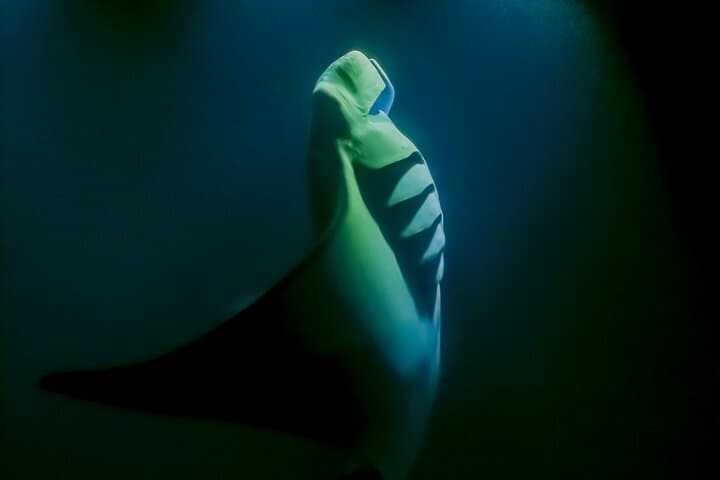
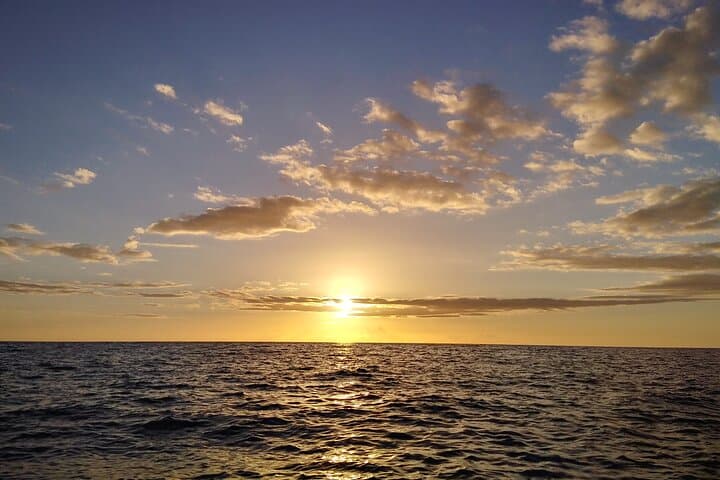
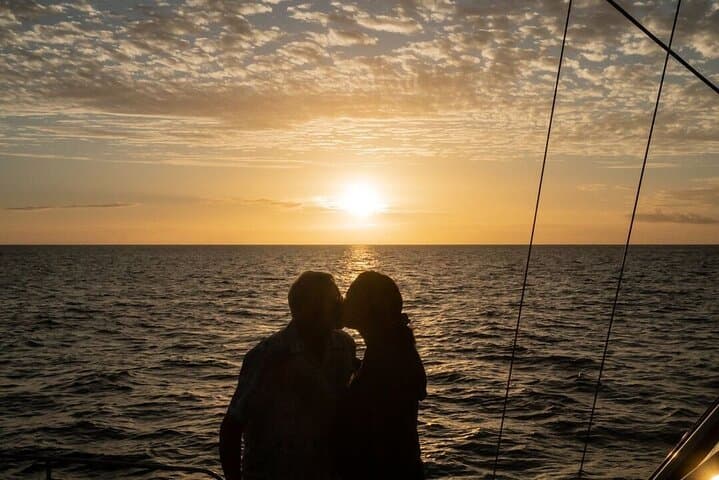
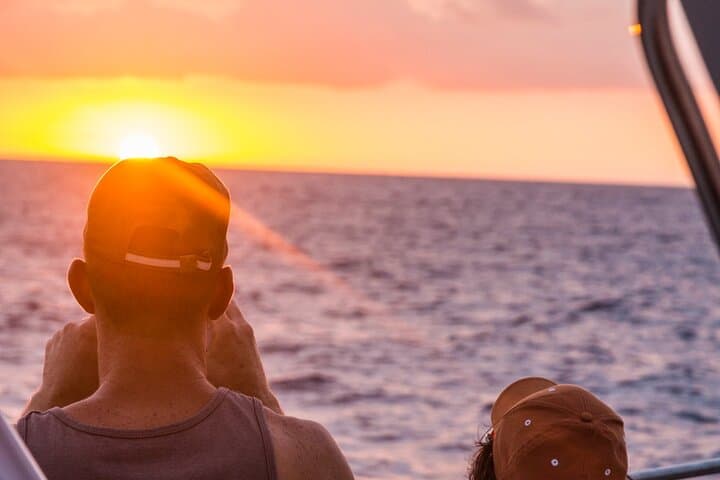
The catamaran slips away from the Kailua-Kona pier as the beach lights shrink and the sky burns low—orange folding into the Pacific. Onboard, the deck hums with conversation and a bar pouring local beer; the captain points out the last sun touching the jagged lava coastline. After the sunset the boat anchors at a shallow reef where lights are dropped to attract plankton, and the ocean changes personality: velvet blackness with slow-moving shapes gliding below.
The catamaran slips away from the Kailua-Kona pier as the beach lights shrink and the sky burns low—orange folding into the Pacific. Onboard, the deck hums with conversation and a bar pouring local beer; the captain points out the last sun touching the jagged lava coastline. After the sunset the boat anchors at a shallow reef where lights are dropped to attract plankton, and the ocean changes personality: velvet blackness with slow-moving shapes gliding below.
Geologically the Kona coast is young lava country—basalt shelves that fall steeply into deep water within a few hundred yards—creating nutrient channels that draw manta rays. Culturally, the nightly manta gatherings have become a signature Kona experience and a reminder of Hawaiian practices that once honored sea life as communal resources.
Expect an interpretive briefing on manta behavior and strict no-touch rules; guides use targeted lighting so mantas feed cleanly on plankton. The operator provides masks, snorkel gear, wetsuits and swim noodles; participants must be competent swimmers. Boats run year-round, though sea state and sunset times change the rhythm of departures.
Practicalities: check in at the KONASTYLE office in the Courtyard Marriott 30–45 minutes before departure, bring a towel and a light jacket for the ride back, and use reef-safe sunscreen. Night snorkeling requires comfort in open water and attention to crew instructions—this is a guided wildlife encounter, not a free-for-all. If weather or manta sightings prevent a safe or meaningful swim, many operators offer a rebook guarantee. For anyone who wants the dark sweep of the ocean and the slow ballet of mantas, this trip delivers both spectacle and respectful wildlife viewing.