THE ADVENTURE COLLECTIVE® · Independent discovery and booking for outdoor travel

Float under LED lights as manta rays wheel inches away along the Kona coast. This concise guide explains what to expect, safety basics, and practical tips for a smooth night manta snorkel in Kailua-Kona.
Float under LED lights as manta rays wheel inches away along the Kona coast. This concise guide explains what to expect, safety basics, and practical tips for a smooth night manta snorkel in Kailua-Kona.
The sun drops behind a black volcanic ridge and the ocean exhales cool air as the boat eases away from Kailua-Kona’s harbor. High-intensity LED lights cut into the dark water like beacons; within minutes, the surface becomes a stage. Manta rays — broad, winged silhouettes — circle and turn, funneling plankton into gaping mouths as you float, buoyed by a wetsuit and the hush of the Pacific.
Verified experiences and guided adventures in the surrounding area.
Operated by Hawaii Marine Life Charters · Kailua-Kona, Hawaii
The sun drops behind a black volcanic ridge and the ocean exhales cool air as the boat eases away from Kailua-Kona’s harbor. High-intensity LED lights cut into the dark water like beacons; within minutes, the surface becomes a stage. Manta rays — broad, winged silhouettes — circle and turn, funneling plankton into gaping mouths as you float, buoyed by a wetsuit and the hush of the Pacific.
The Big Island’s Kona coast is young geology: recent lava flows have created sheer drop-offs that funnel nutrient-rich currents close to shore, producing reliable feeding zones. Night manta tours developed here because the steep submarine slopes and calm waters nurture plankton blooms that concentrate beneath the lights. Culturally, Hawaiʻi’s oceanic life has long been observed and respected by Native Hawaiian communities; modern operators work with researchers and guides who understand both safety and species behavior.
Practically, expect a short 10–15 minute boat transfer to the site, a 40–45 minute in-water encounter, and a compact group (max 10 in the water) with two crew members guiding you. Wetsuits, snorkel gear, hot drinks and GoPro photos are typically included. Arrive early to check equipment, secure seasickness remedies if you’re prone, and follow guides’ hands-off rules: mantas are wild animals attracted to plankton, not people. Keep movements slow, avoid white lights, and reboard via a wide ladder when signaled.
This is a sensory, low-impact ocean experience — equal parts marine theater and careful logistics — best approached with respect, basic swim competence, and a readiness to float and watch the night perform.
moderate.
2–3 hours.
Comfortable basic swimming skills and the ability to float for 40–45 minutes; not strenuous but requires ocean comfort.
Mantas often glide within inches to a few feet when feeding, but guides enforce safe distances and positioning — never attempt to touch them.
Yes; most operators include wetsuits and basic snorkeling equipment, though some guests bring personal masks for better fit.
Suitability depends on age and swimming ability; operators typically have minimum age policies and require parental discretion and notification during booking.
Standard policy allows full refunds if canceled at least 24 hours in advance or if unsafe conditions occur; confirm operator specifics when booking.
Kona’s marine tours developed around consistent nighttime plankton concentrations on volcanic drop-offs; local guides combine safety with decades of observational knowledge.
Operators generally follow strict no-touch rules and use lights to attract plankton rather than animals; choose companies that support research and minimize reef impact.
Hawaii Marine Life Charters operates guided outdoor trips and adventures with an emphasis on safety, stewardship, and memorable experiences.
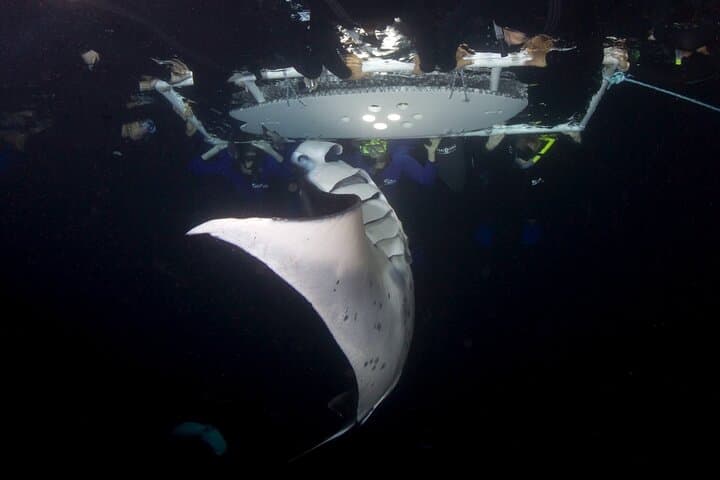
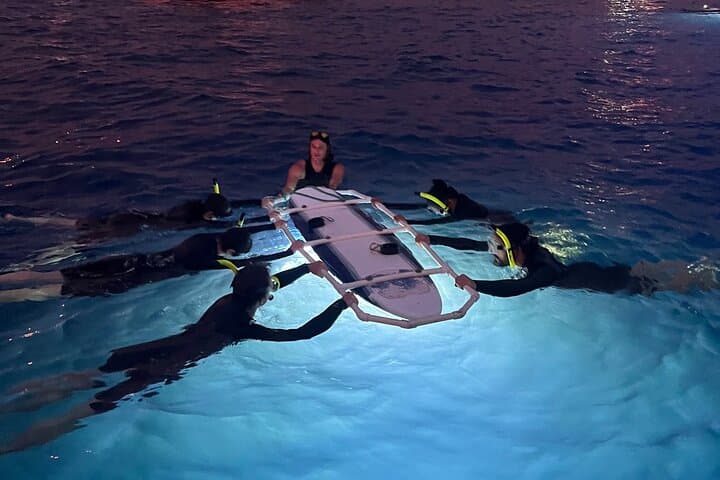
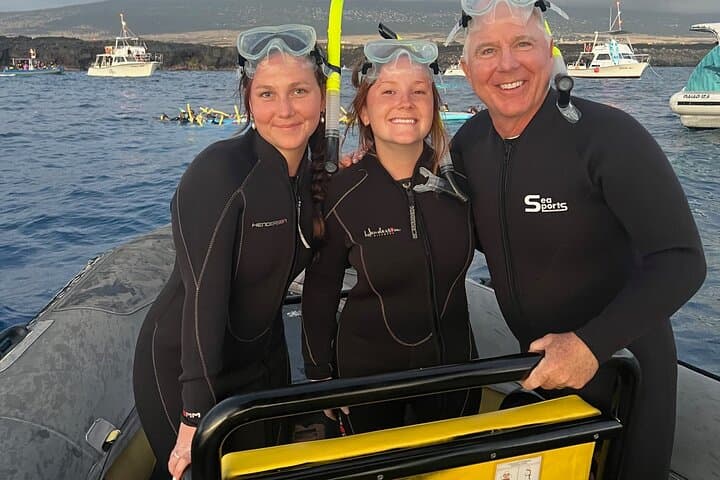
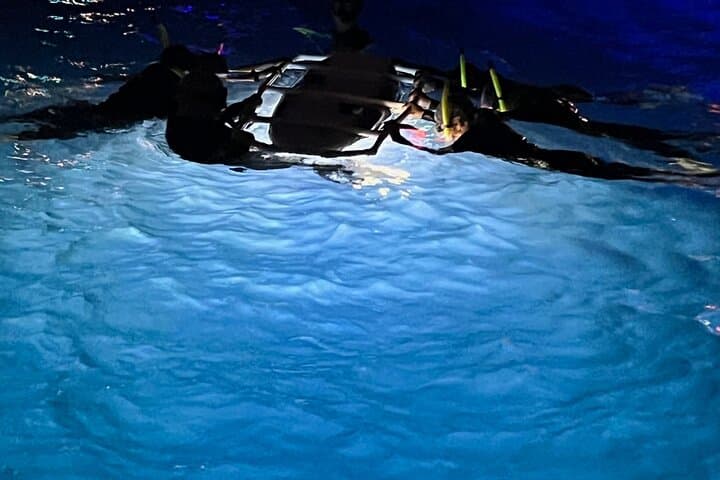
The sun drops behind a black volcanic ridge and the ocean exhales cool air as the boat eases away from Kailua-Kona’s harbor. High-intensity LED lights cut into the dark water like beacons; within minutes, the surface becomes a stage. Manta rays — broad, winged silhouettes — circle and turn, funneling plankton into gaping mouths as you float, buoyed by a wetsuit and the hush of the Pacific.
The sun drops behind a black volcanic ridge and the ocean exhales cool air as the boat eases away from Kailua-Kona’s harbor. High-intensity LED lights cut into the dark water like beacons; within minutes, the surface becomes a stage. Manta rays — broad, winged silhouettes — circle and turn, funneling plankton into gaping mouths as you float, buoyed by a wetsuit and the hush of the Pacific.
The Big Island’s Kona coast is young geology: recent lava flows have created sheer drop-offs that funnel nutrient-rich currents close to shore, producing reliable feeding zones. Night manta tours developed here because the steep submarine slopes and calm waters nurture plankton blooms that concentrate beneath the lights. Culturally, Hawaiʻi’s oceanic life has long been observed and respected by Native Hawaiian communities; modern operators work with researchers and guides who understand both safety and species behavior.
Practically, expect a short 10–15 minute boat transfer to the site, a 40–45 minute in-water encounter, and a compact group (max 10 in the water) with two crew members guiding you. Wetsuits, snorkel gear, hot drinks and GoPro photos are typically included. Arrive early to check equipment, secure seasickness remedies if you’re prone, and follow guides’ hands-off rules: mantas are wild animals attracted to plankton, not people. Keep movements slow, avoid white lights, and reboard via a wide ladder when signaled.
This is a sensory, low-impact ocean experience — equal parts marine theater and careful logistics — best approached with respect, basic swim competence, and a readiness to float and watch the night perform.