THE ADVENTURE COLLECTIVE® · Independent discovery and booking for outdoor travel

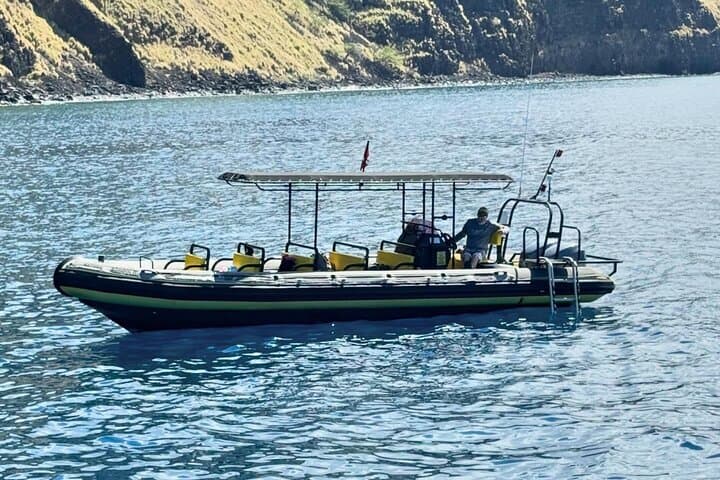
Board a small, 10-passenger vessel from Honokohau Harbor for a focused humpback whale watch during the Pacific migration season. Expect hydrophone listening, personal narration, and generous viewing space—ideal for travelers seeking an intimate ocean encounter.
Board a small, 10-passenger vessel from Honokohau Harbor for a focused humpback whale watch during the Pacific migration season. Expect hydrophone listening, personal narration, and generous viewing space—ideal for travelers seeking an intimate ocean encounter.
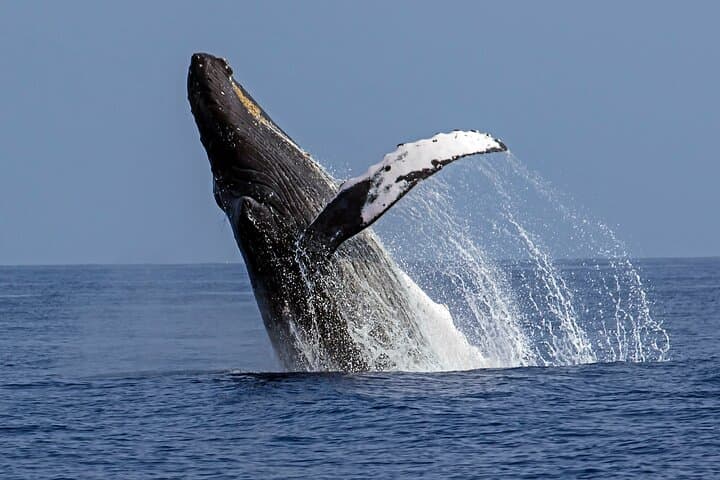
Salt spray, the hum of an outboard and the slow rise of a dark back breaking the Pacific: you step onto a compact vessel leaving Honokohau Harbor with room for ten and a clear view of the Kona coast.
Verified experiences and guided adventures in the surrounding area.
Operated by Hawaii Marine Life Charters · Kailua-Kona, Hawaii
Salt spray, the hum of an outboard and the slow rise of a dark back breaking the Pacific: you step onto a compact vessel leaving Honokohau Harbor with room for ten and a clear view of the Kona coast.
This short, focused cruise runs during the Pacific humpback migration (typically early January through March), when whales travel from Alaskan feeding grounds to Hawaii’s warm waters to breed and calve. The underwater geology off Kona—steep submarine slopes dropping quickly into deep ocean—creates channels that whales use in transit, drawing them closer to shore than in many other places.
Local crews combine natural-history narration with quiet observation; when conditions allow they stop and lower a hydrophone so the whales’ complex songs can be heard through the hull. The experience ties into Hawaiian cultural respect for the ocean—keʻokeʻo (whale) figures in chants and coastal lore—and contemporary protections that keep vessel disturbance low.
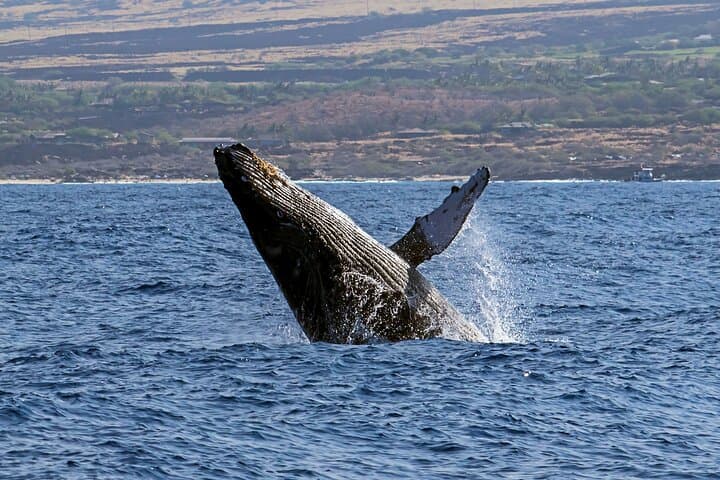
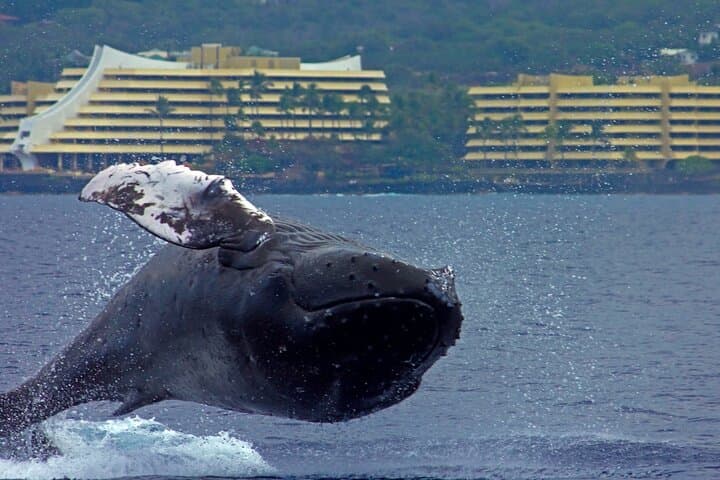
Practically: tours typically run 2½ hours, depart from Honokohau slip G-8, and limit passengers to a maximum of 10 for easier spotting and quieter operations. Dress for wind and spray, bring binoculars and seasickness remedies if you’re prone to motion. Expect intermittent stops, patient waits and sudden, spectacular breaches. Guides emphasize safe-distance viewing and switch off engines during close approaches.
For photographers, the best light is morning; for listeners, mid-day when sea states calm. If whale presence is low or weather forces a cancellation, operators generally offer rebooking. This small-boat format trades crowds for proximity, making each sighting feel immediate and personal.
easy.
2–3 hours.
Suitable for most fitness levels; requires boarding a small boat and standing for observation periods.
The operator runs seasonal cruises around the humpback migration, typically early January through late March; peak sighting probability is during mid-winter to early spring.
When conditions allow, guides deploy a hydrophone so you can listen to humpback vocalizations transmitted through the water.
Yes—small-group tours are family-friendly, but children must be supervised and operators may have age or safety guidelines; check at booking.
Operators usually cancel unsafe trips and offer rebooking or full refund if canceled at least 24 hours before departure or due to weather/insufficient passengers.
Humpback whales have been visiting Hawaiian waters for centuries and feature in traditional chants and navigation lore; modern protections began in the 20th century to reduce hunting and disturbance.
Operators follow NOAA approach guidelines and emphasize quiet observation; avoid fast-approach viewing and listen to crew instructions to minimize disturbance to whales.
Hawaii Marine Life Charters operates guided outdoor trips and adventures with an emphasis on safety, stewardship, and memorable experiences.
Salt spray, the hum of an outboard and the slow rise of a dark back breaking the Pacific: you step onto a compact vessel leaving Honokohau Harbor with room for ten and a clear view of the Kona coast.
Salt spray, the hum of an outboard and the slow rise of a dark back breaking the Pacific: you step onto a compact vessel leaving Honokohau Harbor with room for ten and a clear view of the Kona coast.
This short, focused cruise runs during the Pacific humpback migration (typically early January through March), when whales travel from Alaskan feeding grounds to Hawaii’s warm waters to breed and calve. The underwater geology off Kona—steep submarine slopes dropping quickly into deep ocean—creates channels that whales use in transit, drawing them closer to shore than in many other places.
Local crews combine natural-history narration with quiet observation; when conditions allow they stop and lower a hydrophone so the whales’ complex songs can be heard through the hull. The experience ties into Hawaiian cultural respect for the ocean—keʻokeʻo (whale) figures in chants and coastal lore—and contemporary protections that keep vessel disturbance low.
Practically: tours typically run 2½ hours, depart from Honokohau slip G-8, and limit passengers to a maximum of 10 for easier spotting and quieter operations. Dress for wind and spray, bring binoculars and seasickness remedies if you’re prone to motion. Expect intermittent stops, patient waits and sudden, spectacular breaches. Guides emphasize safe-distance viewing and switch off engines during close approaches.
For photographers, the best light is morning; for listeners, mid-day when sea states calm. If whale presence is low or weather forces a cancellation, operators generally offer rebooking. This small-boat format trades crowds for proximity, making each sighting feel immediate and personal.