THE ADVENTURE COLLECTIVE® · Independent discovery and booking for outdoor travel

Step aboard from Honokohau Harbor for a two-hour search of seasonal humpback whales off Kona’s coast. Learn about the animals and local marine history while enjoying snacks and ocean views.
Step aboard from Honokohau Harbor for a two-hour search of seasonal humpback whales off Kona’s coast. Learn about the animals and local marine history while enjoying snacks and ocean views.
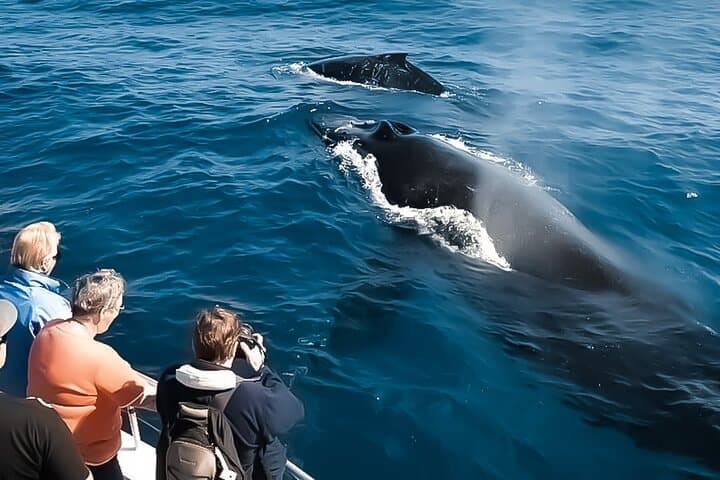
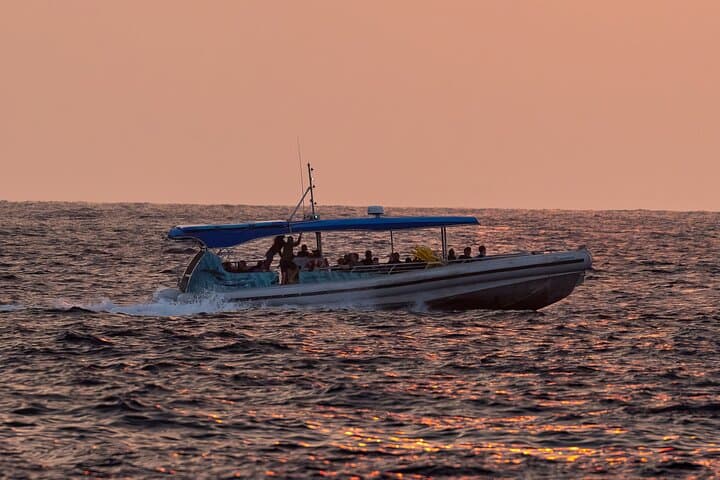
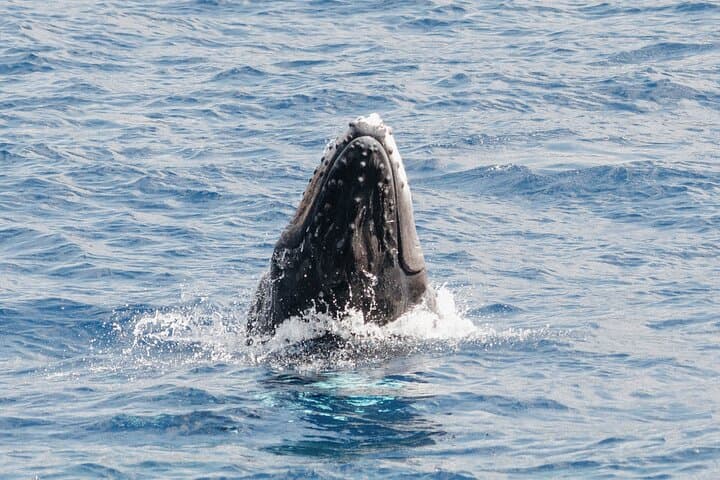
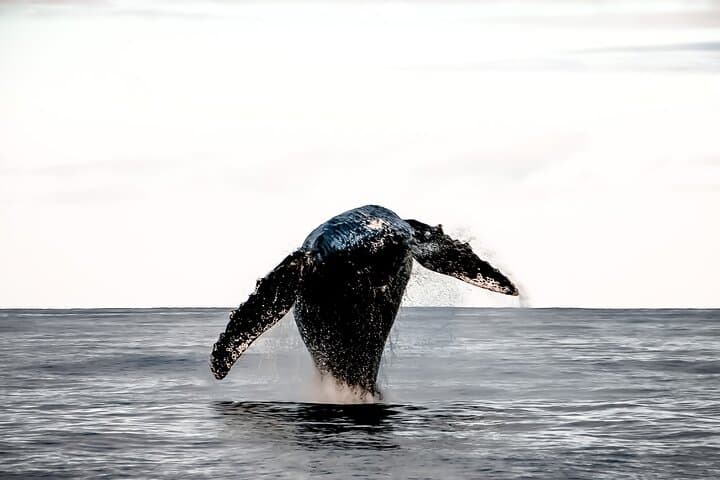
The boat slips free from Honokohau Small Boat Harbor and the Kona coast opens like a private stage: blue water stretching toward a serrated silhouette of basalt cliffs, trade winds sketching white lines across the surface. Onboard the Kibou, passengers settle into shaded seating as the crew scans the horizon; soon the telltale mist and arched back of a humpback can puncture the calm, a living archway in motion.
Verified experiences and guided adventures in the surrounding area.
Operated by Iruka Hawaii Dolphin · Kailua-Kona, Hawaii
The boat slips free from Honokohau Small Boat Harbor and the Kona coast opens like a private stage: blue water stretching toward a serrated silhouette of basalt cliffs, trade winds sketching white lines across the surface. Onboard the Kibou, passengers settle into shaded seating as the crew scans the horizon; soon the telltale mist and arched back of a humpback can puncture the calm, a living archway in motion.
Humpback whales make the 3,000-mile migration from Alaskan feeding grounds to Hawaiian winter breeding waters, and from roughly December through April they concentrate in relatively shallow, warm waters off Kona. The shoreline here is recent volcanic rock—pahoehoe and ʻaʻā flows that frame coral pockets and historic fishing grounds used by Native Hawaiians for centuries. Local crews combine natural-history commentary with practical seamanship, pointing out landmarks like Kaloko-Honokohau and the Kona coffee terraces inland.
For visitors, this is a low-effort but high-reward marine encounter: tours typically last two hours, include bottled water and snacks, and depart from Slip A-17 at Honokohau. Sightings cannot be guaranteed—whales are wild—but reputable operators offer a rain check or rebooking if none appear. Expect open decks, brief binocular-friendly windows, and a bouncy ride if the ocean picks up.
Practical tips: arrive early for check-in, bring sun protection and a light wind layer, and consider motion-sickness prevention. Keep cameras ready but follow crew instructions for safe distances—responsible viewing protects both animals and the tour experience.
easy.
2 hours.
Suitable for most fitness levels; requires basic mobility to board a small passenger vessel and stand on deck.
No—whales are wild animals and sightings can’t be guaranteed; most operators offer a free rebooking (rain check) if no whales are seen that day.
The ocean can be choppy; if you are prone to motion sickness, take preventative medication before boarding, sit midship, and look at the horizon.
Check-in is at the Iruka Hawaii booth at Slip A-17 in Honokohau Small Boat Harbor; arrive 20–30 minutes early for boarding procedures.
Yes—tours are suitable for most ages; infants must sit on an adult’s lap and operators provide basic amenities like onboard restrooms and bottled water.
Humpbacks have visited Hawaiian waters for centuries; modern whale-watching grew with local boat operators who blend cultural knowledge and marine science.
Operators follow NOAA guidelines for vessel approach distances; visitors should avoid feeding or disturbing marine life and use reef-safe products to minimize impact.
Iruka Hawaii Dolphin operates guided outdoor trips and adventures with an emphasis on safety, stewardship, and memorable experiences.
The boat slips free from Honokohau Small Boat Harbor and the Kona coast opens like a private stage: blue water stretching toward a serrated silhouette of basalt cliffs, trade winds sketching white lines across the surface. Onboard the Kibou, passengers settle into shaded seating as the crew scans the horizon; soon the telltale mist and arched back of a humpback can puncture the calm, a living archway in motion.
The boat slips free from Honokohau Small Boat Harbor and the Kona coast opens like a private stage: blue water stretching toward a serrated silhouette of basalt cliffs, trade winds sketching white lines across the surface. Onboard the Kibou, passengers settle into shaded seating as the crew scans the horizon; soon the telltale mist and arched back of a humpback can puncture the calm, a living archway in motion.
Humpback whales make the 3,000-mile migration from Alaskan feeding grounds to Hawaiian winter breeding waters, and from roughly December through April they concentrate in relatively shallow, warm waters off Kona. The shoreline here is recent volcanic rock—pahoehoe and ʻaʻā flows that frame coral pockets and historic fishing grounds used by Native Hawaiians for centuries. Local crews combine natural-history commentary with practical seamanship, pointing out landmarks like Kaloko-Honokohau and the Kona coffee terraces inland.
For visitors, this is a low-effort but high-reward marine encounter: tours typically last two hours, include bottled water and snacks, and depart from Slip A-17 at Honokohau. Sightings cannot be guaranteed—whales are wild—but reputable operators offer a rain check or rebooking if none appear. Expect open decks, brief binocular-friendly windows, and a bouncy ride if the ocean picks up.
Practical tips: arrive early for check-in, bring sun protection and a light wind layer, and consider motion-sickness prevention. Keep cameras ready but follow crew instructions for safe distances—responsible viewing protects both animals and the tour experience.