THE ADVENTURE COLLECTIVE® · Independent discovery and booking for outdoor travel

Night falls and the ocean becomes a theater: dive lights attract plankton, and giant mantas arrive to feed just off Kona’s coast. This 90-minute guided snorkel brings experienced swimmers within arm’s reach of these gentle giants, with wetsuit, gear and hot soup included.
Night falls and the ocean becomes a theater: dive lights attract plankton, and giant mantas arrive to feed just off Kona’s coast. This 90-minute guided snorkel brings experienced swimmers within arm’s reach of these gentle giants, with wetsuit, gear and hot soup included.
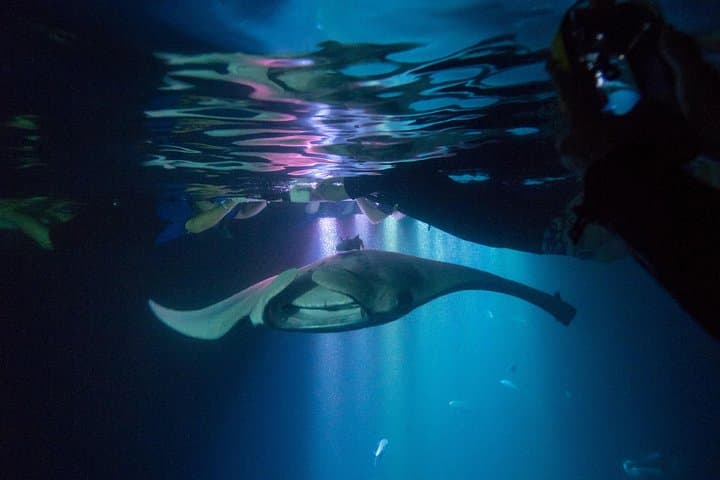
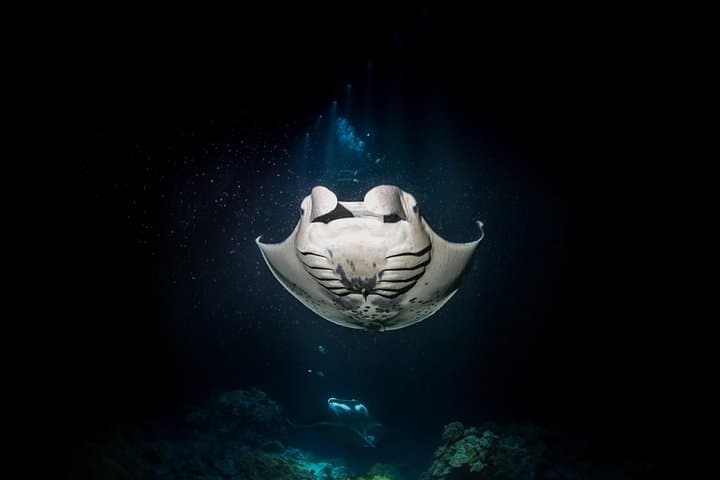
The boat slips out of Keauhou Bay and the island lights thin as the ocean opens; within five minutes the captain kills the engines and the water darkens into a black canvas. Dive lights drop into the sea and a slow, patient choreography begins — plankton rise, lights act as a beacon, and the mantas glide in. Under the lamps their pale bellies and broad cephalic lobes become visible as they barrel-roll and feed, wings spanning up to 12–15 feet across.
Verified experiences and guided adventures in the surrounding area.
Operated by Kona Sunrise Charters · Kailua-Kona, Hawaii
The boat slips out of Keauhou Bay and the island lights thin as the ocean opens; within five minutes the captain kills the engines and the water darkens into a black canvas. Dive lights drop into the sea and a slow, patient choreography begins — plankton rise, lights act as a beacon, and the mantas glide in. Under the lamps their pale bellies and broad cephalic lobes become visible as they barrel-roll and feed, wings spanning up to 12–15 feet across.
This nightly feeding show off Kona’s volcanic west coast is rooted in both geology and biology: the steep submarine slopes and nutrient upwelling near Hualālai concentrate plankton, while Hawaiian fishermen historically noted predictable animal patterns around headlands. The mantas (Mobula spp.) here are gentle filter feeders — not stingrays — and the encounter has become a cultural and tourism staple in Kailua-Kona while still requiring respectful distance and local permitting.
Practically, expect a 90-minute outing that includes a short boat ride, a guided water briefing, wetsuit and snorkel gear, and warm soup at the end. Tours require prior snorkeling experience and comfort swimming at night; full-face masks are typically not allowed. Bring a towel, a warm layer for the return, and an underwater camera with careful, non-intrusive lighting if you plan to shoot.
On the water you’ll move slowly and deliberately: conserve energy, breathe steady, and follow instructors’ positioning to avoid startling the animals. The experience is equal parts natural history and controlled wildlife viewing — intimate, transient, and best appreciated with patience and respect for the marine environment.
moderate.
1–2 hours.
Moderate fitness; swimmers should be confident in open water and able to tread and snorkel for 30–60 minutes.
Guides position swimmers within the light field so mantas feed nearby; safe distance is maintained and animals usually pass within a few feet but contact is discouraged.
No — mantas are filter feeders with no stingers or teeth; the main safety concerns are boat operations and swimmer fatigue at night.
Yes — operators require swimmers to be confident in open water and comfortable snorkeling in low-light conditions; non-swimmers are advised not to book.
Typical inclusions are snorkel gear, wetsuits, instruction, warm homemade soup and hot drinks, and a guided briefing; check operator details for specifics.
Local fishers and Hawaiians historically observed seasonal marine movements along the Kona coast; modern manta viewing developed through community-supported guidelines to protect animals.
Operators follow light and distance protocols to minimize disturbance; use reef-safe sunscreen and avoid touching wildlife to reduce impact.
Kona Sunrise Charters operates guided outdoor trips and adventures with an emphasis on safety, stewardship, and memorable experiences.
The boat slips out of Keauhou Bay and the island lights thin as the ocean opens; within five minutes the captain kills the engines and the water darkens into a black canvas. Dive lights drop into the sea and a slow, patient choreography begins — plankton rise, lights act as a beacon, and the mantas glide in. Under the lamps their pale bellies and broad cephalic lobes become visible as they barrel-roll and feed, wings spanning up to 12–15 feet across.
The boat slips out of Keauhou Bay and the island lights thin as the ocean opens; within five minutes the captain kills the engines and the water darkens into a black canvas. Dive lights drop into the sea and a slow, patient choreography begins — plankton rise, lights act as a beacon, and the mantas glide in. Under the lamps their pale bellies and broad cephalic lobes become visible as they barrel-roll and feed, wings spanning up to 12–15 feet across.
This nightly feeding show off Kona’s volcanic west coast is rooted in both geology and biology: the steep submarine slopes and nutrient upwelling near Hualālai concentrate plankton, while Hawaiian fishermen historically noted predictable animal patterns around headlands. The mantas (Mobula spp.) here are gentle filter feeders — not stingrays — and the encounter has become a cultural and tourism staple in Kailua-Kona while still requiring respectful distance and local permitting.
Practically, expect a 90-minute outing that includes a short boat ride, a guided water briefing, wetsuit and snorkel gear, and warm soup at the end. Tours require prior snorkeling experience and comfort swimming at night; full-face masks are typically not allowed. Bring a towel, a warm layer for the return, and an underwater camera with careful, non-intrusive lighting if you plan to shoot.
On the water you’ll move slowly and deliberately: conserve energy, breathe steady, and follow instructors’ positioning to avoid startling the animals. The experience is equal parts natural history and controlled wildlife viewing — intimate, transient, and best appreciated with patience and respect for the marine environment.