THE ADVENTURE COLLECTIVE® · Independent discovery and booking for outdoor travel

Board a small 40-foot boat off Kona for a focused night encounter with manta rays. Limited to 18 guests, this three-hour trip emphasizes close, non-invasive viewing and practical safety briefings for snorkelers and certified divers.
Board a small 40-foot boat off Kona for a focused night encounter with manta rays. Limited to 18 guests, this three-hour trip emphasizes close, non-invasive viewing and practical safety briefings for snorkelers and certified divers.
The boat slips from the harbor as the last light drains from the sky and the ocean exhales a cool, salt-scented breeze. On a 40-foot vessel with a capped group of 18, travelers trade daytime crowds for tight, luminous encounters: giant manta rays wheel and glide inches below, their cephalic fins rolling plankton-rich water into open mouths while submerged lights create a living stage.
Verified experiences and guided adventures in the surrounding area.
Operated by Torpedo Tours · Kailua-Kona, Hawaii
The boat slips from the harbor as the last light drains from the sky and the ocean exhales a cool, salt-scented breeze. On a 40-foot vessel with a capped group of 18, travelers trade daytime crowds for tight, luminous encounters: giant manta rays wheel and glide inches below, their cephalic fins rolling plankton-rich water into open mouths while submerged lights create a living stage.
The Kona coast is volcanic in origin — lava flows that hardened into abrupt cliffs and shallow reefs shape current patterns that concentrate plankton. For decades local operators have run night dives here because the topography and nutrient pulses reliably attract mantas after dark. Cultural respect for the sea is common in West Hawaii; guides emphasize quiet observation and no-touch etiquette rooted both in safety and island values.
Expect a short briefing on board, a calm ride to the feeding zone, then entry from the surface or a ladder depending on the craft and your chosen activity (snorkel or scuba). The experience is sensory: warm water, the steady pulse of bubbles, and the soft shadow of a wing passing overhead. Most operators provide snorkel gear and bottled water; bring a waterproof camera rated for low light, and plan to keep hands tucked.
Practical notes: arrive early for check-in and parking, disclose weight/health information honestly, and consider seasickness prevention. Night conditions are cooler on deck—pack a light jacket—and cancelations can happen with poor weather. This is an intimate, low-impact wildlife encounter best enjoyed slow and steady, with respect for the animals and the ocean that draws them in.
moderate.
3 hours.
Moderate fitness for climbing ladders, treading water briefly, and handling entry/exit from a small boat.
No—there is a snorkel option for non-certified guests; scuba participants must show current certification and logbook information.
Most operators include basic snorkel gear and bottled water; wetsuits may be available to rent—check with the operator in advance.
Yes—manta rays are gentle filter feeders, but safety depends on following guide instructions, keeping distance, and avoiding flash photography or touching.
Trips are typically cancellable for a full refund if called off due to weather; confirm the operator's 24-hour cutoff and refund terms before booking.
Manta encounters off Kona became popular as operators learned that reef contours and night plankton blooms reliably attract feeding mantas; local guides combine marine science with cultural respect for the ocean.
Operators limit group sizes, use non-intrusive lighting, and enforce no-touch policies to minimize disturbance; choose companies that follow established manta-protection guidelines.
Torpedo Tours operates guided outdoor trips and adventures with an emphasis on safety, stewardship, and memorable experiences.
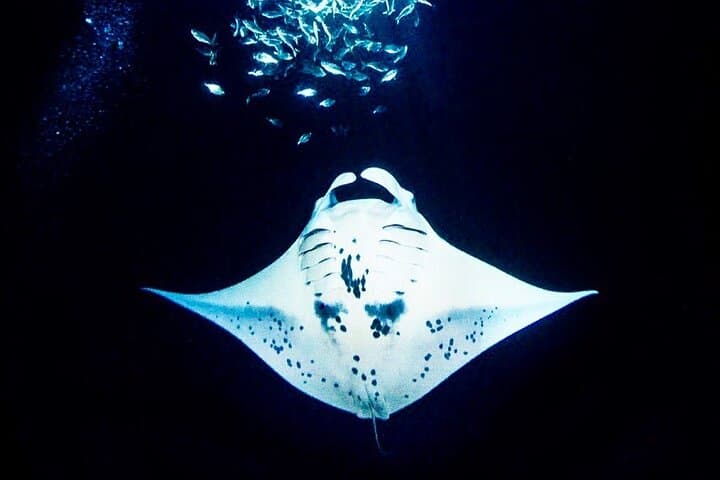


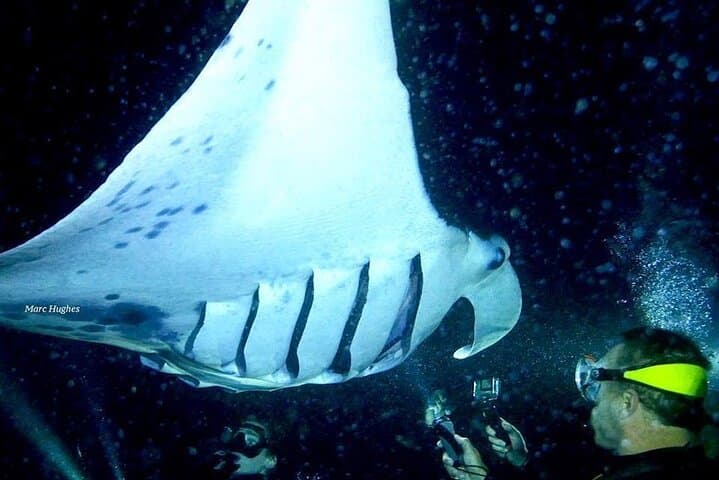
The boat slips from the harbor as the last light drains from the sky and the ocean exhales a cool, salt-scented breeze. On a 40-foot vessel with a capped group of 18, travelers trade daytime crowds for tight, luminous encounters: giant manta rays wheel and glide inches below, their cephalic fins rolling plankton-rich water into open mouths while submerged lights create a living stage.
The boat slips from the harbor as the last light drains from the sky and the ocean exhales a cool, salt-scented breeze. On a 40-foot vessel with a capped group of 18, travelers trade daytime crowds for tight, luminous encounters: giant manta rays wheel and glide inches below, their cephalic fins rolling plankton-rich water into open mouths while submerged lights create a living stage.
The Kona coast is volcanic in origin — lava flows that hardened into abrupt cliffs and shallow reefs shape current patterns that concentrate plankton. For decades local operators have run night dives here because the topography and nutrient pulses reliably attract mantas after dark. Cultural respect for the sea is common in West Hawaii; guides emphasize quiet observation and no-touch etiquette rooted both in safety and island values.
Expect a short briefing on board, a calm ride to the feeding zone, then entry from the surface or a ladder depending on the craft and your chosen activity (snorkel or scuba). The experience is sensory: warm water, the steady pulse of bubbles, and the soft shadow of a wing passing overhead. Most operators provide snorkel gear and bottled water; bring a waterproof camera rated for low light, and plan to keep hands tucked.
Practical notes: arrive early for check-in and parking, disclose weight/health information honestly, and consider seasickness prevention. Night conditions are cooler on deck—pack a light jacket—and cancelations can happen with poor weather. This is an intimate, low-impact wildlife encounter best enjoyed slow and steady, with respect for the animals and the ocean that draws them in.