THE ADVENTURE COLLECTIVE® · Independent discovery and booking for outdoor travel

Board a small 12-passenger boat at Keauhou Harbor for an intimate night snorkel beneath lights as manta rays feed on plankton. This short ride and 30–45 minute water session focuses on respectful, close-up viewing of Kona’s famous mantas.
Board a small 12-passenger boat at Keauhou Harbor for an intimate night snorkel beneath lights as manta rays feed on plankton. This short ride and 30–45 minute water session focuses on respectful, close-up viewing of Kona’s famous mantas.
The harbor lights thin as the boat slips beyond Keauhou’s breakwater and the Pacific opens into ink-black water punctuated by the glow of a single lightboard. You feel the ocean breathe under the hull; the captain eases the throttle and the guide briefs the group in low tones. In minutes you’re at "Manta Village," where lamps pull plankton to the surface and the water below becomes a stage.
Verified experiences and guided adventures in the surrounding area.
Operated by Hawaii Oceanic · Kailua-Kona, Hawaii
The harbor lights thin as the boat slips beyond Keauhou’s breakwater and the Pacific opens into ink-black water punctuated by the glow of a single lightboard. You feel the ocean breathe under the hull; the captain eases the throttle and the guide briefs the group in low tones. In minutes you’re at "Manta Village," where lamps pull plankton to the surface and the water below becomes a stage.
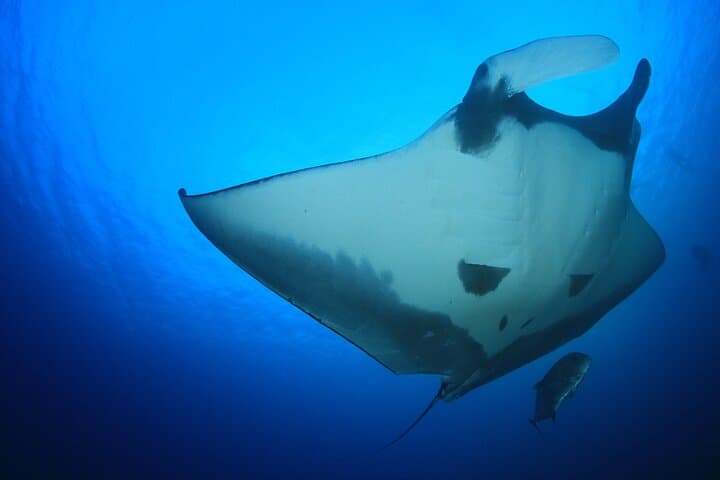
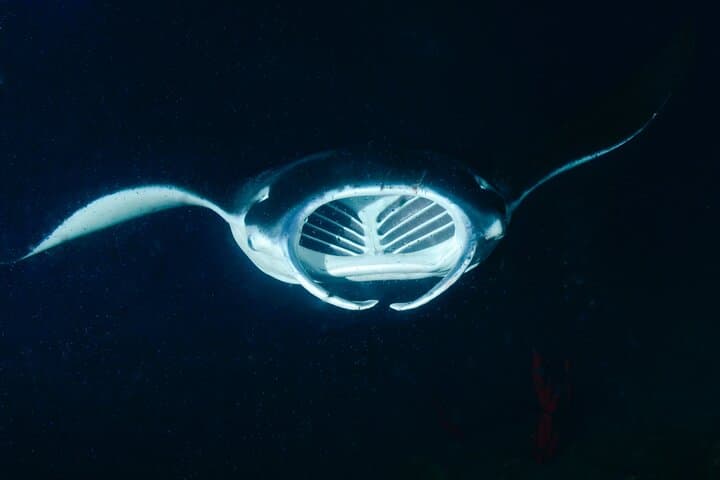
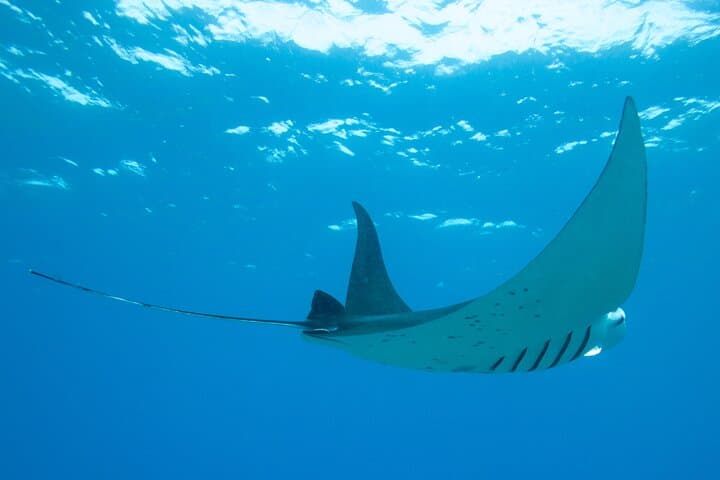
Kona’s manta snorkels grew out of decades of local observation—manta feeding aggregations form where currents push nutrient-rich water up the slope of the island shelf. The Big Island’s volcanics create steep drop-offs just offshore; those contours concentrate plankton and invite large filter feeders. The experience is cultural as well as natural: local guides balance tourism with a long-standing respect for these gentle giants and adhere to best-practice lighting and distancing to keep interactions safe for both people and animals.
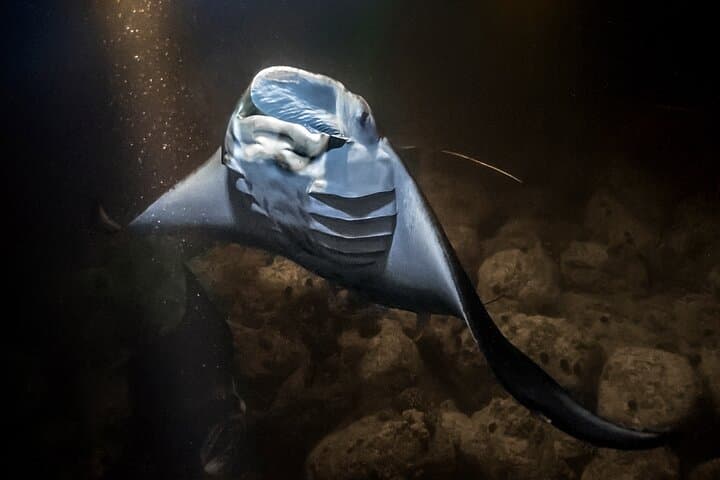
Expect a quick 5-minute boat ride, a guided wetsuit fitting onshore, then 30–45 minutes in the water holding onto a lightboard while mantas loop and barrel-roll inches below. Tours run after sunset and are deliberately small—12 passengers max—so encounters feel intimate and the impact on the animals is minimized.
Practically: arrive 30 minutes early to Keauhou Harbor, dress warm for the ride back, and be ready to swim unassisted. Bring a reef-safe sunscreen for pre- and post-water time, and pack a bright dry shirt. If mantas don’t appear (about 8% of nights), operators typically offer a return trip; book early in your stay to allow for a make-good night. This is an accessible, unforgettable way to meet one of the ocean’s most graceful dancers.
moderate.
1 hour (total experience).
Should be comfortable swimming and treading water; ability to hold onto a board and flip onto your back is required
Expect to be in the water about 30–45 minutes, depending on sea conditions and manta behavior; the whole tour is roughly one hour.
Mantas appear about 92% of the time; if you don’t see one, most operators offer a free return trip when space is available.
Yes—participants must be able to swim without a flotation device and be comfortable in open water holding onto a lightboard.
No—wetsuits are optional and often available for rent or included; choose one if you get cold or want extra buoyancy.
Kona’s manta night snorkels began as local research and community-led viewing efforts; operators now follow strict lighting and distance guidelines developed with scientists and managers.
Responsible operators are often Green Listed and limit group size and light use; choose companies that follow no-touch, no-chase rules and use reef-safe products.
Hawaii Oceanic operates guided outdoor trips and adventures with an emphasis on safety, stewardship, and memorable experiences.
The harbor lights thin as the boat slips beyond Keauhou’s breakwater and the Pacific opens into ink-black water punctuated by the glow of a single lightboard. You feel the ocean breathe under the hull; the captain eases the throttle and the guide briefs the group in low tones. In minutes you’re at "Manta Village," where lamps pull plankton to the surface and the water below becomes a stage.
The harbor lights thin as the boat slips beyond Keauhou’s breakwater and the Pacific opens into ink-black water punctuated by the glow of a single lightboard. You feel the ocean breathe under the hull; the captain eases the throttle and the guide briefs the group in low tones. In minutes you’re at "Manta Village," where lamps pull plankton to the surface and the water below becomes a stage.
Kona’s manta snorkels grew out of decades of local observation—manta feeding aggregations form where currents push nutrient-rich water up the slope of the island shelf. The Big Island’s volcanics create steep drop-offs just offshore; those contours concentrate plankton and invite large filter feeders. The experience is cultural as well as natural: local guides balance tourism with a long-standing respect for these gentle giants and adhere to best-practice lighting and distancing to keep interactions safe for both people and animals.
Expect a quick 5-minute boat ride, a guided wetsuit fitting onshore, then 30–45 minutes in the water holding onto a lightboard while mantas loop and barrel-roll inches below. Tours run after sunset and are deliberately small—12 passengers max—so encounters feel intimate and the impact on the animals is minimized.
Practically: arrive 30 minutes early to Keauhou Harbor, dress warm for the ride back, and be ready to swim unassisted. Bring a reef-safe sunscreen for pre- and post-water time, and pack a bright dry shirt. If mantas don’t appear (about 8% of nights), operators typically offer a return trip; book early in your stay to allow for a make-good night. This is an accessible, unforgettable way to meet one of the ocean’s most graceful dancers.