THE ADVENTURE COLLECTIVE® · Independent discovery and booking for outdoor travel

Taste three 100% Kona coffees in an intimate, hour-long guided flight at The Coffee LAB in Ka'a'awa. Learn how volcanic soils, processing methods and roast profiles shape flavor—and leave with practical knowledge and a bag of farm-traceable beans if you wish.
Taste three 100% Kona coffees in an intimate, hour-long guided flight at The Coffee LAB in Ka'a'awa. Learn how volcanic soils, processing methods and roast profiles shape flavor—and leave with practical knowledge and a bag of farm-traceable beans if you wish.
You step downstairs into the Coffee LAB with the Pacific breeze nudging the lanai above — the scent of roast hanging light, bright as salt on the air. A small group gathers around a tidy counter; three narrow cups steam like tiny maps of place and process. The guide places the first sample down and invites you to read the cup: aroma, acidity, body.
Verified experiences and guided adventures in the surrounding area.
Operated by The Coffee Lab by Hala Tree Cafe · Ka'a'awa, Hawaii
You step downstairs into the Coffee LAB with the Pacific breeze nudging the lanai above — the scent of roast hanging light, bright as salt on the air. A small group gathers around a tidy counter; three narrow cups steam like tiny maps of place and process. The guide places the first sample down and invites you to read the cup: aroma, acidity, body.
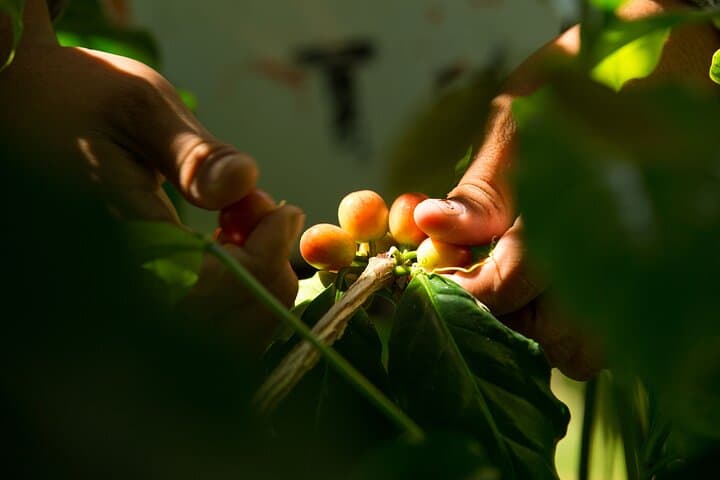
Kona coffee’s story begins on the slopes of Mauna Loa where volcanic soil, elevation, and trade winds shape beans that have been farmed since the 19th century. Though the tasting takes place in Ka'a'awa on Oʻahu, the coffees are traced back to family fields on Hawaiʻi Island; the presentation connects agronomy to ocean climate, and explains how geology — porous lava rock and well-draining slopes — influences sugar development in the cherry.
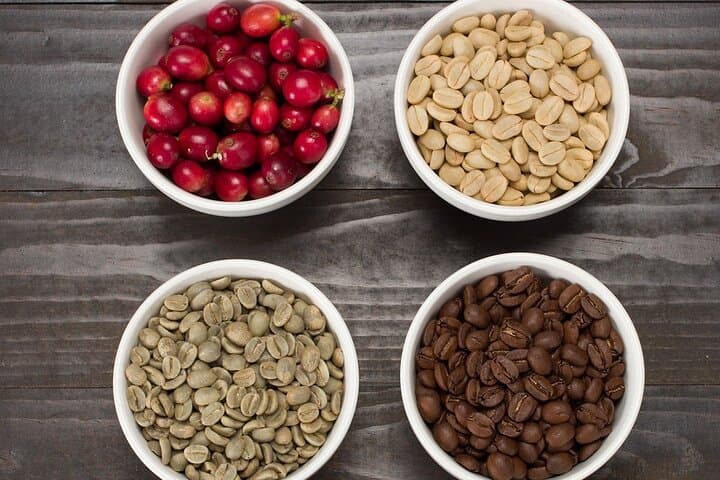
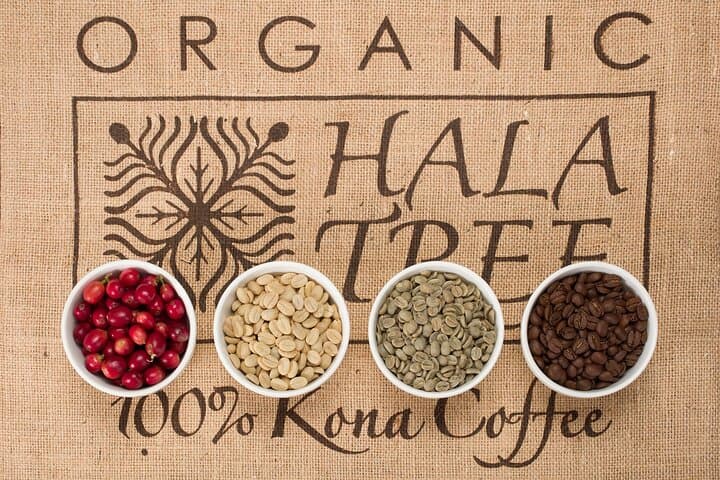
You’ll learn about processing choices from washed to anaerobic fermentations, and how roast curves pull forward floral, chocolate, or citrus notes. The educators emphasize traceability, cupping technique, and how small changes in drying or fermentation alter the cup.
Practical guidance: arrive a few minutes early to claim a seat, bring questions, and expect a relaxed, 60-minute format with bottled water and freshly brewed samples included. Space is limited, so book ahead; if you want beans to take home, the café upstairs keeps current roasts and single-origin bags. Pair the tasting with a walk along Ka'a'awa Bay or a stop at the nearby Crouching Lion viewpoint for sweeping coastal context to the beans you’ve just tasted.
easy.
1 hour.
No special fitness required; accessible to most visitors who can stand briefly during the tasting.
Yes — the café stocks current roasts and single-origin bags from the farm; availability varies by harvest and batch size.
Yes — the Coffee LAB and cafe area are wheelchair accessible according to the operator’s listing; check with staff for any specific assistance needs.
The session runs about 60 minutes and is limited to small groups (up to ~12) for personalized attention.
Children are welcome, but the experience is geared toward adults and older kids who can participate in guided tasting and Q&A; infants should sit on laps.
Kona coffee production originated in the 19th century on the leeward slopes of Mauna Loa; modern farms now emphasize traceability and micro-lot distinctions tied to altitude and soil.
Producers in Hawaiʻi increasingly focus on sustainable water use, shade-grown practices, and traceability to support small farms and reduce environmental impact.
The Coffee Lab by Hala Tree Cafe operates guided outdoor trips and adventures with an emphasis on safety, stewardship, and memorable experiences.
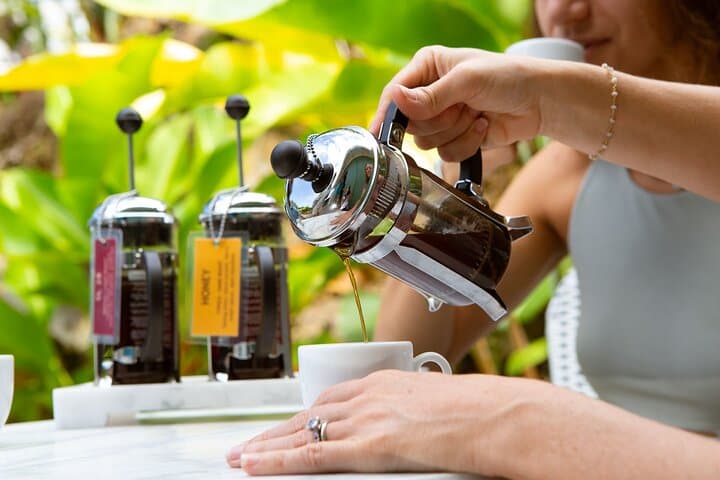
You step downstairs into the Coffee LAB with the Pacific breeze nudging the lanai above — the scent of roast hanging light, bright as salt on the air. A small group gathers around a tidy counter; three narrow cups steam like tiny maps of place and process. The guide places the first sample down and invites you to read the cup: aroma, acidity, body.
You step downstairs into the Coffee LAB with the Pacific breeze nudging the lanai above — the scent of roast hanging light, bright as salt on the air. A small group gathers around a tidy counter; three narrow cups steam like tiny maps of place and process. The guide places the first sample down and invites you to read the cup: aroma, acidity, body.
Kona coffee’s story begins on the slopes of Mauna Loa where volcanic soil, elevation, and trade winds shape beans that have been farmed since the 19th century. Though the tasting takes place in Ka'a'awa on Oʻahu, the coffees are traced back to family fields on Hawaiʻi Island; the presentation connects agronomy to ocean climate, and explains how geology — porous lava rock and well-draining slopes — influences sugar development in the cherry.
You’ll learn about processing choices from washed to anaerobic fermentations, and how roast curves pull forward floral, chocolate, or citrus notes. The educators emphasize traceability, cupping technique, and how small changes in drying or fermentation alter the cup.
Practical guidance: arrive a few minutes early to claim a seat, bring questions, and expect a relaxed, 60-minute format with bottled water and freshly brewed samples included. Space is limited, so book ahead; if you want beans to take home, the café upstairs keeps current roasts and single-origin bags. Pair the tasting with a walk along Ka'a'awa Bay or a stop at the nearby Crouching Lion viewpoint for sweeping coastal context to the beans you’ve just tasted.