THE ADVENTURE COLLECTIVE® · Independent discovery and booking for outdoor travel

Take the controls of a roaster and turn green Kona beans into a custom bag to take home. This 90-minute, hands-on class in Honolulu links volcanic terroir to roast technique for beginners and intermediate roasters.
Take the controls of a roaster and turn green Kona beans into a custom bag to take home. This 90-minute, hands-on class in Honolulu links volcanic terroir to roast technique for beginners and intermediate roasters.
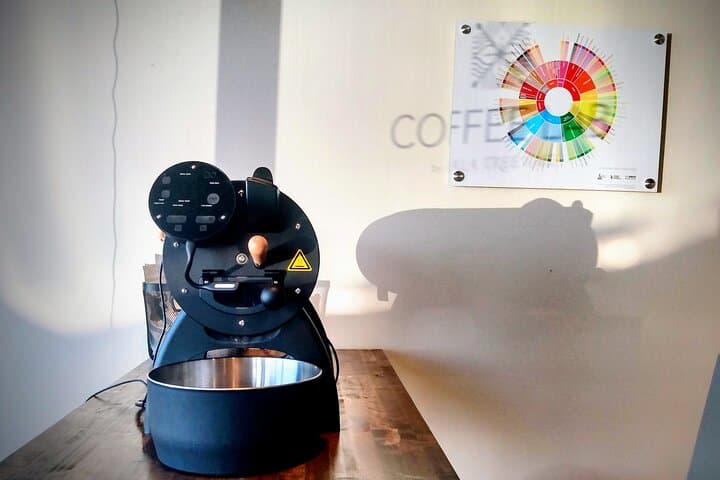
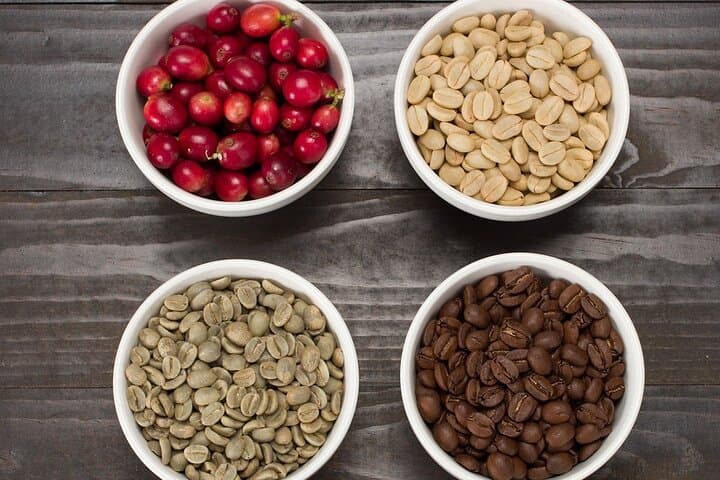
Steam and the smell of caramelizing sugars hit first—warm, sharp, slightly sweet—before the teacher gestures to the roast drum. You stand in a compact workshop in Honolulu, hands on the control knobs as green Kona beans darken and sigh into the shape of coffee. The room hums with fans and conversation; outside, the Pacific keeps its slow rhythm while inside you learn to pull flavor from volcanic soil.
Verified experiences and guided adventures in the surrounding area.
Operated by The Coffee Lab by Hala Tree Cafe · Honolulu, Hawaii
Steam and the smell of caramelizing sugars hit first—warm, sharp, slightly sweet—before the teacher gestures to the roast drum. You stand in a compact workshop in Honolulu, hands on the control knobs as green Kona beans darken and sigh into the shape of coffee. The room hums with fans and conversation; outside, the Pacific keeps its slow rhythm while inside you learn to pull flavor from volcanic soil.
Coffee’s Hawaiian story started on the slopes of Hualālai and Mauna Loa in the 19th century; Kona’s microclimate—rich volcanic soil, steady trade winds, and clear mountain nights—creates the beans you’ll roast. On Oʻahu, roasters import those beans and interpret them through modern equipment and decades of specialty-coffee craft. The class connects agricultural history to practical technique: how time, temperature and airflow open citrus or chocolate notes, and how small shifts in heat change the cup.
Expect a hands-on 90-minute session with a pro roaster, safety briefing, and a take-home bag of your 100% Kona roast. You’ll practice dialling roast curves, sample cuppings, and leave with tasting notes and care tips. Practical advice: wear closed-toe shoes, avoid loose sleeves near the roaster, and hydrate—roasting rooms get warm. Morning classes offer steadier attention spans and clearer palettes; afternoons can be busy. Whether you’re a curious beginner or serious hobbyist, the experience teaches repeatable skills and a deeper appreciation for the island beans you’ll brew at home.
easy.
1–1.5 hours.
Light standing and brief movement; appropriate for most fitness levels.
No—classes are designed for beginners and intermediate roasters; the instructor guides you through each step.
Yes—participants roast a batch of 100% Kona coffee to take home, typically provided in a labeled bag.
Yes—this experience notes wheelchair accessibility for facilities and surfaces.
The workshop is family-friendly but infants must sit on laps and children should be supervised near equipment.
Kona coffee originated on the slopes of Mauna Loa and Hualālai in the 19th century; volcanic soil and microclimates led to its distinct flavor profile.
Support sustainability by buying certified Kona or traceable lots—smaller farms prioritize land stewardship and water conservation to protect island agriculture.
The Coffee Lab by Hala Tree Cafe operates guided outdoor trips and adventures with an emphasis on safety, stewardship, and memorable experiences.
Steam and the smell of caramelizing sugars hit first—warm, sharp, slightly sweet—before the teacher gestures to the roast drum. You stand in a compact workshop in Honolulu, hands on the control knobs as green Kona beans darken and sigh into the shape of coffee. The room hums with fans and conversation; outside, the Pacific keeps its slow rhythm while inside you learn to pull flavor from volcanic soil.
Steam and the smell of caramelizing sugars hit first—warm, sharp, slightly sweet—before the teacher gestures to the roast drum. You stand in a compact workshop in Honolulu, hands on the control knobs as green Kona beans darken and sigh into the shape of coffee. The room hums with fans and conversation; outside, the Pacific keeps its slow rhythm while inside you learn to pull flavor from volcanic soil.
Coffee’s Hawaiian story started on the slopes of Hualālai and Mauna Loa in the 19th century; Kona’s microclimate—rich volcanic soil, steady trade winds, and clear mountain nights—creates the beans you’ll roast. On Oʻahu, roasters import those beans and interpret them through modern equipment and decades of specialty-coffee craft. The class connects agricultural history to practical technique: how time, temperature and airflow open citrus or chocolate notes, and how small shifts in heat change the cup.
Expect a hands-on 90-minute session with a pro roaster, safety briefing, and a take-home bag of your 100% Kona roast. You’ll practice dialling roast curves, sample cuppings, and leave with tasting notes and care tips. Practical advice: wear closed-toe shoes, avoid loose sleeves near the roaster, and hydrate—roasting rooms get warm. Morning classes offer steadier attention spans and clearer palettes; afternoons can be busy. Whether you’re a curious beginner or serious hobbyist, the experience teaches repeatable skills and a deeper appreciation for the island beans you’ll brew at home.